
Depression
2030In 2012, the World Health Organization projected depression to become the leading cause of the global burden of disease by 2030. Depression remains a major cause of disability worldwide.
Step into the future of mental healthcare.
Elevate your practice with an IPI Psychedelic Therapy Provider Certification. Deepen your clinical skills, expand your perspective, and learn in a community committed to meaningful change.

Rated by over 3,000 practitioners
Becoming a psychedelic-assisted therapy provider allows you to transform lives right now with ketamine therapy while establishing yourself as an expert, as other medicines, such as MDMA and psilocybin, await future approvals. Deepen your impact with this cutting-edge modality that is transforming people’s lives.
Learn from more than 50 experts in psychedelic-assisted therapy and research, with an online format designed for a busy clinical practice.
Designed for mental healthcare professionals who are ready to elevate their impact and help clients when current treatments have fallen short. Build an approach that puts you at the forefront of mental healthcare.
Mental healthcare has advanced, yet too many people continue to struggle. The burden of depression, trauma, and other mental-health conditions calls for continued learning and new approaches.
In 2012, the World Health Organization projected depression to become the leading cause of the global burden of disease by 2030. Depression remains a major cause of disability worldwide.
A 2013 study reported that 90% of people experience trauma during their lifetime. Earlier U.S. estimates cited about 8 million people with PTSD in a given year; a Veterans Administration report estimated 22 veteran suicides per day. These figures underscore the longstanding burden of trauma.
Earlier U.S. estimates put annual mental illness at about one in five adults. For many, severe symptoms reduce quality of life and limit what they can do.
Our work has included curriculum collaboration, training partnerships, and grant-supported provider education.
ASKP board members participated in IPI training and provided feedback on the ketamine-assisted psychotherapy curriculum.

Usona Institute researchers participated in IPI training and provided feedback on the psilocybin-assisted psychotherapy curriculum.

IPI was one of five U.S. organizations awarded a Compass Pathways grant in 2026 to develop provider training for post-approval COMP360 care. IPI independently directs its curriculum, faculty, and educational design.
IPI served as a training partner for Lykos Therapeutics in MDMA-assisted therapy education, supporting the development of clinicians’ knowledge and therapeutic skills.
Designed from the ground up to be taken online, so you can deepen your expertise without traveling or stepping away from your practice.
A four-month, 140+ hour online curriculum led by more than 50 experts, covering protocols for investigational psychedelic-assisted treatments for PTSD, depression, anxiety, and more.
Go deeper into research, therapeutic process, preparation, dosing, integration, and clinic models. Explore how psychedelics work alongside other types of therapies.
Join a thriving network of peers, faculty, and teaching assistants, all dedicated to your success. Ask questions, share experiences, and receive ongoing support through the active community forum.
Eligible participants may earn up to 49.0 continuing education credits across multiple healthcare professions. View the full accreditation details below.
If COMP360 is approved by the FDA, your enrollment includes this additional certification pathway, subject to applicable requirements.
“The IPI community is so accepting and they really work hard to create a space for us to make connections with each other and also with the leaders.”

Combine self-paced Foundations study with a live cohort experience from February through May 2027. Build your skills across 140+ hours of learning, whether you’re entering psychedelic therapy or already practicing.
The asynchronous, self-study portion of the program lets you build your foundation at your own pace. You have up to two years to complete it.
The live portion of your training begins with the one-day Live Virtual Intensive, which consists of highly engaging talks by expert faculty. During this intensive, you will learn the fundamentals of psychedelic-assisted therapy while building community.
The live portion of your training wraps up with Live Virtual Intensive II, with advanced topics and innovative specialized methods to ensure participants are confident in their new knowledge and have the expertise to apply it correctly in their practices.
Learn, practice, and connect with your cohort throughout the four-month live portion of the program.
Build your expertise through 60-minute lectures and panel discussions on psychedelic-assisted therapy.
Practice and discuss psychedelic-assisted therapy techniques in 120-minute seminars with breakout groups.
Discuss cases and relevant clinical topics in small-group Zoom sessions.
Connect with peers, teaching assistants, and faculty for questions, discussion, and support through the private online portal.
Six asynchronous modules connect ethics, cultural humility, research, preparation, therapeutic process, and integration. Begin before the live program and revisit the material at your own pace.
Michael Pollan
Sara Gael Beauregard, MA, LPC
Shannon Carlin, MA, LMFT
Sara Gael Beauregard, MA, LPC · Kylea Taylor, MS, LMFT · Devon Christie, MD · Shannon
Joseph McCowan, PsyD
Ian Wickramasekera, PsyD
Katrina Michelle, PhD, LCSW
Sara Gael Beauregard, MA, LPC
Sofia Chavez, DNM
Yaqui A. Martínez-Robles, PhD, PsyD
Nicholas Spiers
Alejandro Castro, MA, LPC, LAC
Joseph McCowan, PsyD
Joe Tafur, MD
Tasia Poinsatte
Charles Raison, MD
Robin Carhart-Harris, PhD
Torsten Passie, MD, MA
Megan Oxley, MD · Sandhya Prashad, MD
Kelsey Loupy, PhD
Michael Banov, MD
Michael Banov, MD
Randall Malchow, MD
Frederick Barrett, PhD
Charles Raison, MD
Anthony P. Bossis, PhD
Christopher Stauffer, MD
Kelley O’Donnell, MD, PhD
Randy Buzan, MD
Scott Shannon, MD
Ben Malcolm, PharmD, MPH
Andrew Bryant, MPH, LICSW
Rohini Kanniganti, MD
Ben Malcolm, PharmD, MPH
Ben Malcolm, PharmD, MPH
Sara Gael Beauregard, MA, LPC
Sandhya Prashad, MD
Erin Amato, MD
Sandhya Prashad, MD
Megan Oxley, MD
Albert Garcia-Romeu, PhD
Coreen Herron, PMHNP
Rosalind Watts, PhD
Saundra Jain, MA, PsyD, LPC
Sara Gael Beauregard, MA, LPC
Drew Snyder, MS, LPC, NCC · Rebecca Ahnsdotter, CSWA · Yaqui A. Martínez-Robles, PhD, PsyD
Mendel Kaelen, PhD
Julane Andries, LMFT · Will Van Derveer, MD
Jeanine Souren, MS
Jeanine Souren, MS
Sara Gael Beauregard, MA, LPC
Sara Gael Beauregard, MA, LPC
Sara Gael Beauregard, MA, LPC
Sara Gael Beauregard, MA, LPC
Brooke Balliett, LMFT
Arielle Schwartz, PhD
Arielle Schwartz, PhD
William Richards, PhD
David B. Yaden, PhD
Anthony P. Bossis, PhD
Jeanine Souren, MS
Emily McKay, MA, LPC
Veronika Gold, MA, LMFT
Jeanine Souren, MS
Keith Kurlander, MA, LPC
Will Van Derveer, MD
Go beyond the core curriculum with session recordings and practical business training.
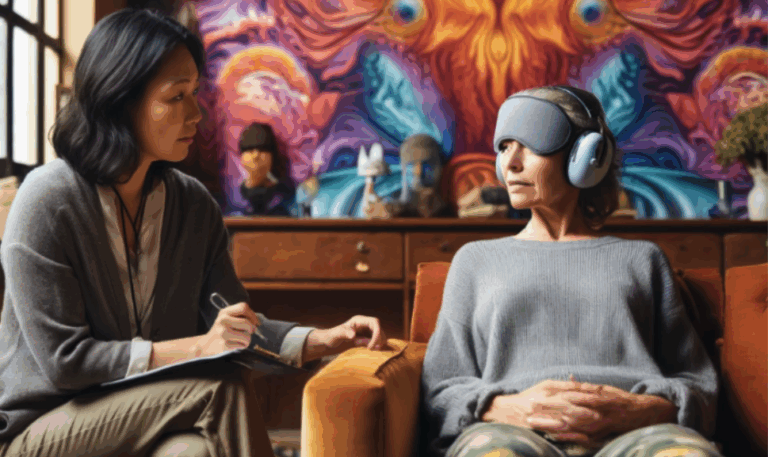
Gain behind-the-scenes access to 40 hours of real psychedelic therapy sessions, showcasing medical consults, preparation, dosing, and integration in both ketamine- and psilocybin-assisted therapy. These recorded sessions offer a rare, immersive look at therapeutic techniques, clinical decision-making, and client-centered care in action.
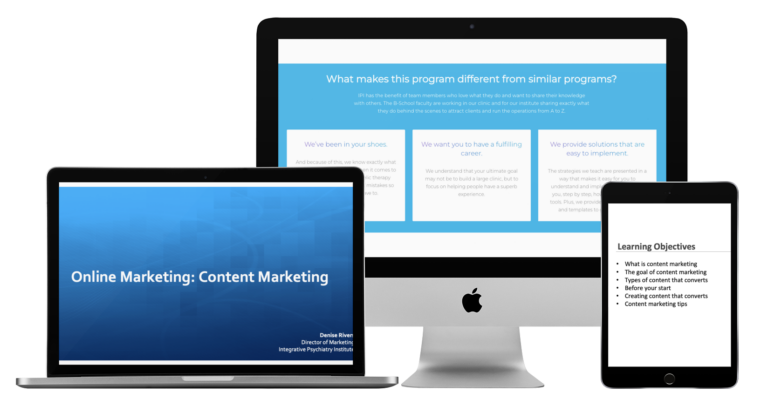
Step confidently into practicing psychedelic therapy with our 20-hour Psychedelic Therapy B-School—a business school for mental health providers ready to ethically integrate psychedelic therapy into their practice. Learn how to navigate operations, marketing, advertising and more with practical tools and ready-to-use forms. From running ads in google to scaling your offerings, this program gives you the foundation to grow with integrity and impact.
Four months of learning, a supportive clinical community, and practical tools for the evolving field of psychedelic therapy.
Explore eligibility and speak with admissions about your next steps.
Regular Tuition$8,000
Additional discounts and payment plans may be available on your admissions call.
You will be supported throughout your studies by a faculty of world-renowned leaders in psychedelic-assisted therapy and research. The faculty at the Integrative Psychiatry Institute is composed of the top-tier experts in their respective fields, teaching you the research, science and clinical skill sets needed for the use of ketamine, MDMA and psilocybin therapies. Lecturers vary by cohort.
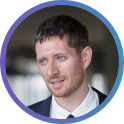
Robin Carhart-Harris moved to Imperial College London in 2008 after obtaining a PhD in Psychopharmacology from the University of Bristol, focused on the serotonin system, and an MA in Psychoanalysis from Brunel University, 2005. Robin has designed human brain imaging studies with LSD, psilocybin, MDMA and DMT, a clinical trial of psilocybin for treatment-resistant depression, a double-blind randomized controlled trial comparing psilocybin with the SSRI, escitalopram, for depression, published in the New England Journal of Medicine, and a multimodal imaging study in first time users of psilocybin. Robin has published over 100 scientific papers. He founded the Centre for Psychedelic Research at Imperial College London in April 2019, the first of its kind. In 2021, he was listed in TIME magazine’s ‘100 Next’, a list of 100 rising stars shaping the future. Also in 2021, he moved to University of California, San Francisco, becoming the Ralph Metzner Distinguished Professor in Neurology and Psychiatry. At UCSF, Robin will serve as Director of the new Psychedelics Division within the translational neuroscience Centre, Neuroscape.
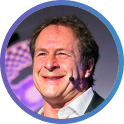
Rick Doblin, PhD, is the founder and executive director of the Multidisciplinary Association for Psychedelic Studies (MAPS). He received his doctorate in Public Policy from Harvard's Kennedy School of Government, where he wrote his dissertation on the regulation of the medical uses of psychedelics and marijuana and his Master's thesis on a survey of oncologists about smoked marijuana vs. the oral THC pill in nausea control for cancer patients. His undergraduate thesis at New College of Florida was a 25-year follow-up to the classic Good Friday Experiment, which evaluated the potential of psychedelic drugs to catalyze religious experiences. He also conducted a thirty-four year follow-up study to Timothy Leary's Concord Prison Experiment. Rick studied with Dr. Stanislav Grof and was among the first to be certified as a Holotropic Breathwork practitioner. His professional goal is to help develop legal contexts for the beneficial uses of psychedelics and marijuana, primarily as prescription medicines but also for personal growth for otherwise healthy people, and eventually to become a legally licensed psychedelic therapist. He founded MAPS in 1986, and currently resides in Boston with his wife, dog, and empty rooms from three children, one of whom is in college and two have graduated.
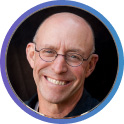
For more than thirty years, Michael Pollan has been writing books and articles about the places where the human and natural worlds intersect: on our plates, in our farms and gardens, and in our minds. Pollan is the author of eight books, six of which have been New York Times bestsellers; three of them (including his latest, How to Change Your Mind) were immediate #1 New York Times bestsellers. Previous books include Cooked (2013), Food Rules (2009), In Defense of Food: An Eater’s Manifesto (2008) and The Omnivore’s Dilemma: A Natural History of Four Meals (2006), which was named one of the ten best books of 2006 by both the New York Times and the Washington Post. It also won the California Book Award, the Northern California Book Award, the James Beard Award for best food writing, and was a finalist for the National Book Critics Circle Award. A revised, young readers’ edition of Omnivore’s Dilemma was published in 2015. Pollan’s 2001 book, The Botany of Desire: A Plant’s-Eye View of the World, also a New York Times bestseller was recognized as a best book of the year by the American Booksellers Association and Amazon.com. Pollan is also the author of A Place of My Own (1997) and Second Nature (1991). An expanded edition of Food Rules, with original illustrations by Maira Kalman, was published in 2011. How to Change Your Mind was named one of the New York Times’ 10 Best Books of 2018. In 2020 he published a new audio book titled Caffeine, available from Audible. In 2021, he will publish a book titled This is Your Mind on Plants.
A four-hour Netflix miniseries based on Cooked premiered in February 2016. PBS presented a two-hour special documentary based on The Botany of Desire in fall 2009 and a two-hour documentary based on In Defense of Food was broadcast nationally in December 2015 and was nominated for an Emmy. Pollan also appeared in the Oscar-nominated 2008 documentary Food Inc., which was partly based on The Omnivore’s Dilemma. He is currently working on a four-part Netflix series based on How To Change Your Mind as well as a sequel to Food Inc.
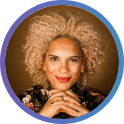
Mary is a Licensed Clinical Social Worker whose focus is on addressing trauma in communities of color and marginalized populations. She has worked with Black, Indigenous, (BIPOC), Veterans, immigrants and refugees from Iraq and Syria, foster youth, and LGBTQIA+ community members.
Mary currently provides community mental health services for formerly unhoused Veterans for Veteran Affairs in San Francisco, CA. In addition to her role working with Veterans, she has a private practice called EMPATH Center in Oakland, CA serving Black Indigenous People of Color (BIPOC). Her vision is to implement psychedelic-assisted psychotherapy and incorporate community integration in her private practice.
Mary is a trained psychedelic-assisted therapist from CIIS and MAPS, certified in Trauma - Focused Cognitive Behavioral Therapy, and is a somatic experiencing psychotherapist in-training. Mary is a founding board member at People of Color Psychedelic Collective.
Dr Rosalind Watts is a clinical psychologist and the founder of ACER Integration. She has been named as one of the 50 Most Influential People in Psychedelics as well as one of the top Top 16 Women Shaping the Future of Psychedelics.
As the former clinical lead on the Psilocybin for Depression trial at Imperial College London, Dr Watts developed the ACE model of psychedelic assisted therapy ‘Accept, Connect, Embody’ and led a clinical team guiding 60 people through that process. Her qualitative research with trial participants led to the development of the Watts Connectedness Scale, a psychometric tool for measuring outcomes of psychedelic therapy.
Through all her work, Rosalind's main learning has been that safe and effective use of psychedelics requires substantial integration support. She co-founded the UK's first psychedelic integration group, and has now launched a global online integration community, ‘Accept, Connect, Embody, Restore’ (ACER) where members follow a 12 month process together. Her websites are acerintegration.com and drrosalindwatts.com.
Joe Tafur, M.D., is a Colombian-American family physician originally from Phoenix, Arizona. After completing his family medicine training at UCLA, Dr. Tafur spent two years in academic research at the UCSD Department of Psychiatry in a lab focused on mind-body medicine. After his research fellowship, over a period of six years, he lived and worked in the Peruvian Amazon at the traditional healing center Nihue Rao Centro Espiritual. There he worked closely with master Shipibo healer Ricardo Amaringo and trained in ayahuasca curanderismo. In his book "The Fellowship of the River: A Medical Doctor's Exploration into Traditional Amazonian Plant Medicine," through a series of stories, Dr. Tafur shares his unique experience and integrative medical theories. He is currently a fellow at the University of Arizona’s Center for Integrative Medicine. To learn more about his work you can also visit drjoetafur.com.
With his multicultural community in Phoenix, Dr. Tafur co-founded the Church of the Eagle and the Condor (CEC) (learn more at churchofeagleandcondor.org). This spiritual community is dedicated to promoting the spiritual unity of all people through the practice of traditional Indigenous spirituality and sacred ceremonies. The CEC is currently pursuing legal protection for their practice of sacred Ayahuasca ceremony. Dr. Tafur is also a co-founder of Modern Spirit, a nonprofit dedicated to demonstrating the value of spiritual healing in modern healthcare. Among their projects is the Modern Spirit Epigenetics Project, an epigenetic analysis of the impact of MAPS MDMA-assisted psychotherapy. Their first results have now been submitted for publication. Learn more at modernspirit.org.
Anthony P. Bossis, Ph.D. is a clinical psychologist and clinical assistant professor of psychiatry at NYU Grossman School of Medicine and NYU Center for Psychedelic Medicine conducting FDA-approved clinical research with the psychedelic compound psilocybin since 2009. Dr. Bossis was director of palliative care research and co-principal investigator on the 2016 clinical trial demonstrating a significant reduction in emotional distress from a single psilocybin session in persons with cancer, specifically, a rapid decrease in depression, anxiety, hopelessness, and demoralization along with improvements in spiritual well-being and quality of life.
Dr. Bossis is study director and lead session guide on an FDA-approved clinical trial evaluating psilocybin-generated mystical experience with religious leaders. His primary psychedelic research interests include the treatment of end-of-life existential distress and the study of consciousness, meaning, and spirituality. He is a training supervisor of psychotherapy at NYU-Bellevue Hospital Center and co-founder and former co-director of the Bellevue Hospital Palliative Care Service. He is on the faculty at the Center for Psychedelic Therapies and Research / California Institute of Integral Studies and the Art of Dying Institute in NYC.
Dr. Bossis is guest editor (with Charles Grob, M.D.) on the Special Series on Psychedelics for the Journal of Humanistic Psychology and has authored numerous publications on psychedelics, mystical experience, and end-of-life existential distress. He has a long-standing interest in comparative religion and mysticism and on the interface of psychology and spirituality. He maintains a private psychotherapy and consulting practice in NYC.
William (Bill) is Director of Therapy at Sunstone Therapies, based at the Aquilino Cancer Center in Rockville MD. He also is a psychologist in the Center for Psychedelic and Consciousness Research in Baltimore where he has been implementing research studies with psilocybin at the Johns Hopkins School of Medicine since 1999, and teaches at the California Institute of Integral Studies. His graduate degrees include M.Div. (Yale), S.T.M. in the psychology of religion (Andover-Newton) and Ph.D. (Catholic University). He studied with Abraham Maslow at Brandeis University and with Hanscarl Leuner at Georg-August University in Göttingen, Germany, where his involvement with psychedelic research originated in 1963. From 1967 to 1977, he implemented projects of psychotherapy research with LSD, DPT, MDA and psilocybin at the Maryland Psychiatric Research Center, including protocols designed to investigate the promise of psychedelics in the treatment of alcoholism, depression, narcotic addiction and the psychological distress associated with terminal cancer, and also their use in the training of religious and mental-health professionals. His recent research at Johns Hopkins has focused on the potential value of psilocybin in the continuing education of professional religious leaders from different world religions. His book, Sacred Knowledge: Psychedelics and Religious Experiences, published by Columbia University Press, now has been translated into multiple languages.
Physician Team Lead.
Rohini Kanniganti, MD, MSPH, HMDC is a Boulder based Board Certified Family Physician. She has served in hospice and palliative care for over a decade, currently at the Mountain Valley Hospice and Palliative Care in NC. She completed a fellowship in Integrative Psychiatry through the Integrative Psychiatry Institute, and serves at the Integrative Psychiatry Centers, as well as leading Physician support for the Experiential aspect of the IPI Psychedelic Assisted Therapy Training. She is a hybrid of science, art and sacred, and is always ready to play.
IPI Co-Founder · Medical Director.
Will Van Derveer, MD is Co-Founder of Integrative Psychiatry Institute and Integrative Psychiatry Centers. Dr. Van Derveer was co-investigator on a phase 2 MAPS study of Psychedelic-assisted psychotherapy for treatment-resistant PTSD, and co-authored the publication of this study in 2018. He has also provided Psychedelic-assisted psychotherapy in two MAPS training studies. An active provider of KAP at his clinic in Boulder, CO, he has been teaching others KAP therapy for several years. Dr. Van Derveer contributed a chapter on mescaline in the 2021 "Handbook of Medical Hallucinogens" (edited by Charles Grob and Jim Grigsby). He is co-host of the Higher Practice Podcast.
Dr. Van Derveer regards unresolved emotional trauma as the most significant under-recognized root cause of psychiatric symptoms in integrative psychiatry practice, along with gut issues, hormone imbalances, inflammation, mitochondrial dysfunction, and other functional medicine challenges. He is trained in Somatic Experiencing, EMDR, Internal Family Systems, and other psychotherapy techniques. His current clinical passion is psychedelic-assisted psychotherapy, which he mentors interested doctors in providing. An avid meditator, he has been a meditation instructor since 2004.
For the past several years Dr. Van Derveer has taught psychiatrists and other psychiatric providers integrative psychiatry in a number of settings, including course directing the CU psychiatry residents’ course as well as with Scott Shannon and Janet Settle at the Psychiatry MasterClass.
IPI Co-Founder.
Keith Kurlander, MA, LPC is the Co-founder of the Integrative Psychiatry Institute (IPI) and the Integrative Psychiatry Centers (IPC) along with Will Van Derveer, MD. He brings a professional and personal passion toward the innovation and evolution of the field of psychiatry, psychedelic medicine and psychotherapy.
The Integrative Psychiatry Institute is an educational platform that is advancing the field of mental health care with provider training focused on integrative medicine, functional medicine, lifestyle medicine, and psychedelic-assisted therapy.
The Integrative Psychiatry Centers serve patients with integrative psychiatry services as well as psychedelic-assisted therapy currently in form of IV and IM KAP.
He graduated Naropa University in 2005 with a master’s degree in Transpersonal Counseling Psychology. As a Partner of Boulder Psychotherapy Services, he has practiced integrative psychotherapy for over a decade. After years of treating highly complex patients, as well as a personal journey of overcoming complex trauma and mood-related issues, he turned toward integrative psychiatric practices as a key component to achieving mental health and understanding the healing process.
In 2014 he founded Higher Practice, an online company with the mission to empower therapists to achieve their highest potential in private practice. Keith believes mental health professionals are catalysts for positive social change and, therefore, are key influencers in uplifting consciousness and alleviating unnecessary suffering. With this in mind, he designed Higher Practice to provide mental health professionals with innovative clinical trainings for continuing education, as well as the most comprehensive business course available for those pursuing private practice.
He also co-hosts The Higher Practice Podcast for Optimal Mental Health. This weekly podcast interviews experts in the fields of neuroscience, psychotherapy, psychedelic-assisted psychotherapy, developmental psychology, human behavior, psychiatry, clinical psychology, and nutrition. The Higher Practice Podcast is dedicated to bringing mental health clinicians the most current and innovative methods for transforming clients’ lives, as well as their own.
Director of Psychedelic Trainings.
Jaime received his Master of Arts in Counseling from Regis University and is a Licensed Professional Counselor in the state of Colorado. Originally Born in Puerto Rico, and raised in a military family, Jaime has spent time in Europe, Central America, and many states in the US. He brings a unique blend of interpersonal, analytic and technical skills to his healing work and also provides services in Spanish. Jaime heavily leverages his life experiences when providing services and employs an integrative approach heavily rooted in existential and transpersonal theories. This approach allows him to guide clients through the difficulties of life which often cause us to question the purpose or meaning of such experiences. Jaime has been described as someone with a warm and calm demeanor whose presence alone has been known to be a comfort to those who share his company.
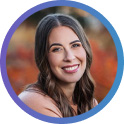
Lead Facilitator.
Sara is a psychedelic therapist and educator with expertise in MDMA-Assisted Therapy, ketamine-assisted therapy, psychedelic risk reduction, and psychedelic professional development. She served as the Course Director for the IPI Psychedelic-Assisted Therapy Training from 2020-2022 and currently serves as Lead Facilitator for the training. Sara worked at the Multidisciplinary Association for Psychedelic Studies (MAPS) beginning in 2013 where she held multiple titles including Harm Reduction Officer and Director of Harm Reduction, overseeing the work of the Zendo Project. Since 2015, she has served as an Investigator for MAPS Public Benefit Corporation Phase 2 and Phase 3 clinical trials researching the safety and efficacy of MDMA-Assisted Therapy for PTSD and currently works as a MAPS Educator and Associate Supervisor. Over the past decade, she has helped to train thousands of individuals on the topics of psychedelic-assisted therapy, psychedelic peer support, and personal and professional development in the psychedelic field. Sara believes in the potential of psychedelics as catalysts for individual, community, and collective healing. She lives in Boulder, Colorado with her partner Ryan and their King Charles Cavalier Pupplemousse.
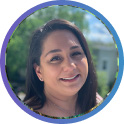
Melissa Lavasani is Founder and Chief Executive Officer of Washington, DC-based Psychedelic Medicine Coalition, a national association committed to advancing the science supporting psychedelic medicine, while creating and protecting access to these medicines through advocacy and education on a federal level. Melissa is also President of Psychedelic Medicine Advocacy and its Political Action Committee which is dedicated to ensuring all Americans are educated and empowered to elect lawmakers that support safe, equitable access to these life-changing treatments. Prior to that, Melissa proposed Initiative 81, the Entheogenic Plant and Fungus Policy Act of 2020, the largest ballot initiative win in Washington DC's history with 76% approval. Inspired by her own experience as a professional, working mother using psychedelic medicines to overcome severe postpartum depression when the healthcare system failed her, Melissa is one of the leading voices for policy, politics, and advocacy in the psychedelic space. She is also a Founding Board Member of the Psychedelics and Healing Initiative at the Global Wellness Institute, and on the Advisory Boards of Drugs over Dinner and Universal Ibogaine.
Melissa has a Bachelor’s degree in Economics from Macalester College, a Masters degree in Management from the University of Denver, and a Masters in Public Policy from George Mason University. Born in Washington, DC to Iranian immigrants, Melissa currently lives in Northeast DC with her husband Daniel, daughter Lola (9), son Ramsey (6), and their rescue pitbull, Gus.
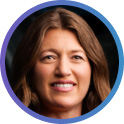
Arielle Schwartz, PhD is a licensed clinical psychologist, EMDR Therapy consultant, and certified yoga instructor with a private practice in Boulder, Colorado. She earned her Doctorate in Clinical Psychology at Fielding Graduate University and holds a Master’s degree in Somatic Psychology from Naropa University. She is the author of two books The Complex PTSD Workbook: A Mind-Body Approach to Emotional Control and Becoming Whole (Althea Press, 2016) and EMDR Therapy and Somatic Psychology: Interventions to Enhance Embodiment in Trauma Treatment (W. W. Norton, 2018). She is international sought out teacher offering trainings on topics of EMDR Therapy, Somatic Psychology, and Complex PTSD. She is dedicated to offering informational mental health and wellness updates through her writing, public speaking, social media presence, and blog.
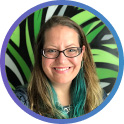
Megan Oxley, MD is the founder and medical director of Michigan Progressive Health. A Board Certified Emergency Medicine physician, Dr. Oxley graduated from prestigious Wayne State University in 2009. She completed her residency training in Emergency Medicine in Detroit, serving the inner city. She spent a decade working in emergency departments in Michigan and Maryland and then transitioned to working with ketamine after helping a family member with treatment resistant depression. Dr. Oxley has been providing ketamine infusions for over four years. She is a founding board member of the American Society of Ketamine Physicians, Psychotherapists and Practitioners and is the current Vice President.
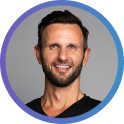
Dr. Nicholas Brüss is a leading psychedelic therapist, researcher, advocate, and educator, who is passionate about helping people heal, grow, and live meaningful lives. He is a therapist on the ground breaking FDA Phase III clinical trial of MDMA-assisted therapy for PTSD sponsored by Multidisciplinary Association for Psychedelic Studies (MAPS) and a clinical supervisor for MAPS Public Benefit Corp. Certified in both Internal Family Systems (IFS) therapy and ketamine-assisted psychotherapy, he provides ketamine-assisted IFS therapy in private practice in California, New York and Texas. Dr. Brüss is the co-founder and lead clinical trainer at the Psychedelic Coalition for Health and is the Director of Psychedelic Medicine Advocacy for TREAT California.
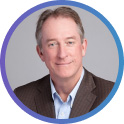
Charles Raison, MD, is the Mary Sue and Mike Shannon Chair for Healthy Minds, Children & Families and Professor, School of Human Ecology, and Professor, Department of Psychiatry, School of Medicine and Public Health, University of Wisconsin-Madison in Madison, WI. Dr. Raison also serves as Director of Clinical and Translational Research for Usona Institute and as Director of Research on Spiritual Health for Emory Healthcare in Atlanta, GA. In addition, Dr. Raison has served as mental health expert for CNN.com for many years. Dr. Raison is internationally recognized for his studies examining novel mechanisms involved in the development and treatment of major depression and other stress-related emotional and physical conditions, as well as for his work examining the physical and behavioral effects of compassion training. More recently, Dr. Raison has taken a leadership role in the development of psychedelic medicines as potential treatments for major depression. The recipient of several teaching awards, Dr. Raison has received research funding from the National Institute of Mental Health, National Center for Complementary and Alternative Medicine, and the Centers for Disease Control and Prevention. Dr. Raison received the Raymond Pearl Memorial Award from the Human Biology Association “in recognition of his contributions to our understanding of evolutionary biocultural origins of mental health and illness.” With Vladimir Maletic he is author of “The New Mind-Body Science of Depression” published by W.W. Norton in 2017. Dr. Raison serves on the Scientific Advisory Board for the American Foundation for Suicide Prevention.
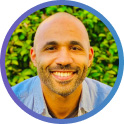
Joseph McCowan, PsyD, is a licensed clinical psychologist and psychotherapist, currently working in Los Angeles as a co-therapist in the MAPS sponsored phase 3 clinical trials of MDMA-Assisted Psychotherapy for PTSD. He is an alumni of MAPS August 2019 MDMA Therapy Training for Communities of Color. Joseph is deeply passionate about furthering education and awareness of the healing benefits of psychedelics for communities of color and in working to improve mental health outcomes for historically underserved communities.
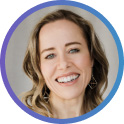
Devon Christie, MD, is a family physician and certified Functional Medicine provider with a focused practice in chronic pain management. Devon is also a Registered Therapeutic Counsellor and certified Relational Somatic Therapist, as well as a certified Mindfulness-Based Stress Reduction (MBSR) teacher and Kundalini Yoga teacher with over 20 years’ personal experience in cultivating mindfulness and yogic practices. Devon is also a trained MDMA therapist with the Multidisciplinary Association for Psychedelic Studies (MAPS) and has training and experience in Ketamine Assisted Psychotherapy. Devon is a teacher with the California Institute of Integral Studies (CIIS) Certificate in Psychedelic Therapy and Research Program. She is passionate about educating health care providers in integrative mind-body wellness approaches, and therapists in somatic trauma-informed skillsets and relational nuances, especially in the context of psychedelic-assisted therapy. Devon is devoted to helping people uncover the root causes that lead to illness, connect with the wisdom and innate healing intelligence of their body-mind, and become active participants in their own wellbeing.
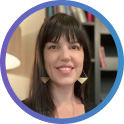
Brooke Balliett, LMFT, is a licensed marriage and family therapist in Los Angeles, CA. Brooke has a passion for treating psychological, spiritual, emotional and relationship challenges through the development of self-awareness, emotional intelligence and recognition of the healing power we each inherently hold inside of us. From a framework integrating trauma work, developmental and transpersonal psychology, Brooke provides a range of psychedelic-assisted psychotherapies including: MDMA-assisted psychotherapy for the treatment of PTSD in clinical trials as a therapist supervisor and training assistant; Psilocybin Therapy for Treatment Resistant Depression in clinical trials as a therapist; and Ketamine-Assisted Psychotherapy as a therapist and clinical director. After over a decade of clinical service provision and program development in publicly funded community mental health centers across central Los Angeles, she co-founded the California Center for Psychedelic Therapy in 2019 as her offering to those seeking health within a limited system of accessible, effective care and as a commitment to furthering access to cutting-edge psychedelic treatments to heal individuals and the communities surrounding them.
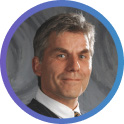
Torsten Passie MD, MA is a professor of psychiatry and psychotherapy at Hannover Medical School and visiting scientist at the Goethe University Franfurt/Main (Germany). He studied philosophy, sociology (M.A.) at Leibniz-University Hannover and medicine at Hannover Medical School. His medical dissertation was on existential psychiatry. He worked at the Psychiatric University Clinic in Zürich (Switzerland) and with Professor Hanscarl Leuner (Göttingen), the leading European authority on hallucinogens. At Hannover Mefdical School he directed the Laboratory for Neurocognition and Consciousness and did extensive research on altered states of consciousness and their healing potential, including research with hallucinogenic drugs (cannabis, ketamin, nitrous oxide, LSD, MDMA, psilocybin). He is a recognized expert on the pharmacology and therapeutic use of psychedelics. His publications appeared in Journal of Psychopharmacology, Neuropsychobiology, Addiction, CNS Neuroscience and Therapeutics and others. Some of his books are The Pharmacology of LSD (2010), Healing with Entactogens (2012), The Science of Microdosing Psychedelics (2019) and The history of MDMA (2021).
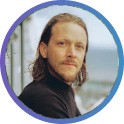
Mendel Kaelen is the founder and CEO of Wavepaths, a startup providing music both for and as psychedelic therapy. Prior to this, he worked as a PhD and postdoctoral neuroscientist at Imperial College London since 2012, where his research was the first to demonstrate music’s central role in psychedelic therapies. He is a thought leader on the therapeutic use of music and publishes and speaks frequently on this topic. He has been featured in Nature News, the San Francisco Chronicle, Vice Motherboard, Rolling Stone and TEDx. Mendel lives and works on planet Earth, and in his spare time likes to get into nature, and out of his mind with his musical instruments.
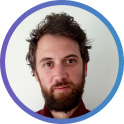
Nicholas Spiers is an anthropologist and documentary filmmaker. He co-founded Agua de Rayo, a non-profit civil organization based in Mexico’s Sierra Mazateca, which is invested in visual ethnography and community projects and which also has an interest in Mazatec psychoactive plant use. He has a Master’s degree in visual anthropology from the University of Barcelona and is interested in the sensory experience of audiovisual mediums. He has recently created an award-winning series about the psychoactive plant Salvia divinorum. He is Chacruna’s web video producer, whereby he creates content collating different perspectives and discussions from Chacruna conferences through compact and compelling video formats. He is also co-director with Bia Labate of the documentary web series The Peyote Files.
Kylea Taylor, M.S., LMFT is a licensed psychotherapist (CA MFC #34901) who has been thinking, writing, and teaching about ethics for almost three decades. She developed InnerEthics®, a self-reflective, selfcompassionate, approach to relational ethics which she is now teaching in psychedelic psychotherapy trainings. Kylea started studying with Stanislav Grof, M.D. and Christina Grof in 1984 and was certified by them as a Holotropic Breathwork® practitioner in 1990. She worked with Stanislav Grof as a Senior Trainer in the Grof Transpersonal Training throughout the 1990s and worked for nine years in a residential substance abuse recovery program where she managed a women’s program and facilitated Holotropic Breathwork®. She is the author of The Ethics of Caring: Finding Right Relationship with Clients, The Breathwork Experience, Considering Holotropic Breathwork®, and is the editor of Exploring Holotropic Breathwork®. InnerEthics.com
David B. Yaden, PhD, completed his doctorate at the University of Pennsylvania and is now an Assistant Professor at Johns Hopkins University School of Medicine. His research focus is on the psychology, neuroscience, and psychopharmacology of spiritual, self-transcendent, and other positively transformative experiences. Specifically, David is interested in understanding: how do brief experiences result in long-term changes to well-being? He is currently conducting studies to determine whether and how psychedelics increase well-being and treat mental disorders. He has authored over 60 peer-reviewed academic articles and 14 academic book chapters. His first authored book came out on September 1st, 2022––The Varieties of Spiritual Experiences: 21st Century Research and Perspectives––with Oxford University Press. His scientific and scholarly work has been covered by The New York Times, The Wall Street Journal, The Washington Post, New York Magazine, NPR, CNN, and BBC. Tomorrow, David will be installed as the Roland Griffiths Professor of Psychedelic Research at Johns Hopkins.
Dr. Kelley O’Donnell is a board-certified psychiatrist and an Assistant Professor of Psychiatry at the NYU Grossman School of Medicine, and the Director of Therapist Training at the NYU Langone Center for Psychedelic Medicine. After receiving her medical degree and a PhD in Neuroscience at UCLA, she completed a psychiatry residency on the research track at NYU, where she continued as faculty after graduation. She is a study psychiatrist and psychedelic therapist working with psilocybin, MDMA, and ketamine, and she is involved in various initiatives to advance psychedelic education among medical professionals and trainees. In addition to her work at NYU, she is on the faculty of the ketamine-assisted psychotherapy training program at the Polaris Insight Center, and she is an Assistant Trainer in the MDMA Therapist Training Program at MAPS-PBC. She also has a small private practice in New York City, specializing in integrative depth psychotherapy, ketamine-assisted psychotherapy, and psychedelic integration.

Katrina Michelle, PhD, LCSW earned her Ph.D. in Psychology from The Institute of Transpersonal Psychology at Sofia University and her Master’s in Social Work from Stony Brook University. For her doctoral research she conducted a heuristic study on Exploring Resistance to Spiritual Emergence. Her Master’s research focused on spiritual development within higher education.
Katrina worked as the director of harm reduction for the Multidisciplinary Association for Psychedelic Studies (MAPS PBC) at the Zendo Project and served for three years as the executive director of The American Center for the Integration of Spiritually Transformative Experiences (ACISTE). Katrina has served as graduate faculty at New York University’s Department of Applied Psychology, Columbia University’s School of Social Work, Fordham University’s School of Social Services, and The Institute for the Development of Human Arts.
Katrina is a member of the Emergent Phenomenology Research Consortium (EPRC) and currently working with an international team on research to elucidate adverse psychedelic experiences in order to contribute to evidence-based and trauma-informed integration practices. She is also a founding member of the advisory board for The Fireside Project, a psychedelic peer-support line.
Katrina is the founder and director of The Curious Spirit, a New York-based psychotherapy and coaching practice. She is also creator and producer of When Lightning Strikes, a documentary in progress intended to demystify the awakening process and help create a cultural context for understanding mystical phenomena while normalizing the often challenging elements of this natural human experience.
Andrew Bryant, MPH, LICSW is a clinical social worker, psychotherapist, and co-Director of North Seattle Therapy & Counseling, with a clinical focus on the impact of climate change and ecological crisis on mental health. He also provides Ketamine-Assisted Therapy (KAT), in collaboration with Telos Transformational Therapies, and organizes a local psychedelic integration circle for therapists and healers. Andrew is the founder of Climate & Mind, a project dedicated to gathering and promoting resources related to climate psychology for clinicians, the media, and the public. As part of this project, he provides lectures, seminars and study groups on climate mental health, and has been interviewed and featured in a number of media stories on climate psychology, including The LA Times, The Washington Post, The Guardian, The New York Times, and other media outlets. He is a member of the Alliance of Climate Therapists-Northwest (ACT-NOW), and of the Climate Psychology Alliance-North America.
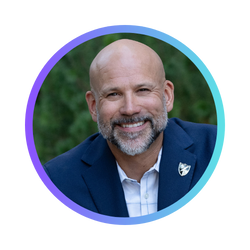
Licensed Professional Counselor | Founder, Agile Wellness Group | Co-Founder, The Wounded Healer Project
Tim Spalla is a Licensed Professional Counselor and doctoral student in Clinical Psychology at the University of Denver. He is the founder of Agile Wellness Group, a Denver-based private practice, and co-founder of The Wounded Healer Project, a nonprofit that provides pro bono, veteran-led mental health services to justice-involved veterans.
Before entering the mental health field, Tim spent nearly 20 years overseas, first as a U.S. Army Ranger Intelligence Specialist with multiple combat deployments to Iraq, then as a private intelligence contractor supporting U.S. Special Operations missions across the Middle East and Horn of Africa. In 2015, he partnered with the National Geographic Society as a wildlife crime investigator, working alongside African governments and conservation groups to combat international trafficking syndicates.
Following a decade-long personal battle with PTSD, addiction, and moral injury, Tim experienced a transformative healing crisis that redirected his path toward clinical work in 2019. He holds a master’s degree in Clinical Mental Health Counseling from Regis University, where he completed a yearlong internship with the Colorado Department of Corrections.
Tim specializes in trauma and moral injury recovery, with a focus on military veterans and first responders. His work integrates evidence-based clinical practices with psychospiritual approaches, including psychedelic-assisted therapies and Native American healing ceremonies. He is a 2022 Pat Tillman Scholar, recognized for his advocacy and research on innovative treatments for moral injury.
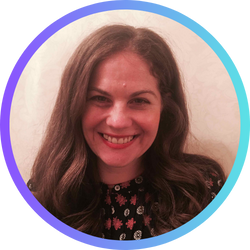
Dr. Sara Lewis is Co-founder of Memoru Center for Visionary Healing Arts, and formerly Associate Professor and Director of Training and Research at Naropa University's Center for Psychedelic Studies. Her book Spacious Minds: Trauma and Resilience in Tibetan Buddhism (Cornell Univ. Press, 2019) investigates how Buddhist concepts of mind shape traumatic memory and pathways to resilience. Sara has also published research on ayahuasca and spiritual emergencies. She is a Lykos Therapeutics Associate Consultant and provides ketamine-assisted psychotherapy in Boulder, CO.
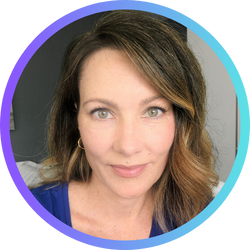
Lecturer · Home Group Facilitator.
Emily earned her Master’s degree in Contemplative Psychotherapy and Buddhist Psychology from Naropa University and holds certifications in Psychedelic-Assisted Therapy and Hakomi Mindful Somatic Therapy. Emily is also a licensed Natural Medicine Clinical Facilitator and Distinguished Educator in the state of Colorado. Her work integrates mindfulness, somatic awareness, and psychedelic therapies, grounded in the belief that every person has an innate capacity for healing and growth. In addition to her clinical practice, Emily serves as faculty with the Integrative Psychiatry Institute, where she trains mental health professionals in Ketamine and Psilocybin-Assisted Psychotherapy.
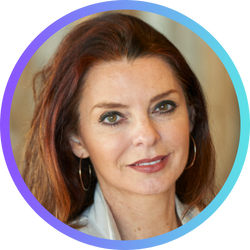
Psychologist and sexologist.
Jeanine Souren is a psychologist and sexologist with a focus on couples and family therapy. Her career is dedicated to helping repair, heal, and strengthen relational brokenness and sexual challenges for couples and individuals. She believes that relationships are at the heart of human emotions, whether it's the relationship with oneself or with others. Guided by the belief that self-knowledge is the beginning of all wisdom, she focuses on connecting and listening to this inner guide.
Jeanine is also an IPI trained psychotherapist in psychedelic assisted psychotherapy and serves as an educator and lecturer to a global audience of mental health professionals.
In 2022, Jeanine co-founded the Experiential Training Institute (ETI) alongside Hans, a psychiatrist. The institute is dedicated to training mental health professionals in the responsible use of psychoactive compounds, including the legal use of psilocybin-containing truffles in the Netherlands. ETI offers multi-day retreats where professionals gain first-hand experience with psilocybin truffles, deepening their understanding and paving the way for future treatments and applications in the field. Additionally, the institute provides small group retreats for individuals who, after screening, seek to enhance their personal growth and development.
Experience & Qualifications ● Psychotherapist (BIG registered) ● Psychologist ● Couples & Family Therapist (NVRG registered) ● Sexologist (NVVS registered) ● Psychedelic Assisted Psychotherapist (IPI accredited) ● Lecturer PAPT (Integrative Psychiatry Institute and Experiential Training Institute)
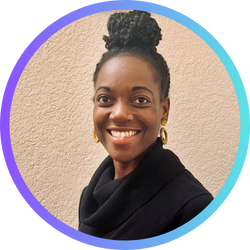
Margaret provides Ketamine-Assisted Therapy and psychotherapy at Sage Integrative Health in Berkeley, CA. In 2021, she was part of the team that offered the clinic’s first Ketamine Assisted Therapy training. Her practice emphasizes trauma-informed, relational, and mindfulness-based approaches for healing.
For seven years, Margaret worked in community-based programs, helping unhoused and underserved populations manage depression, trauma, and psychosis.
Margaret is a first-generation American who grew up in Minnesota. She loves running, dancing tango, and listening to audiobooks.
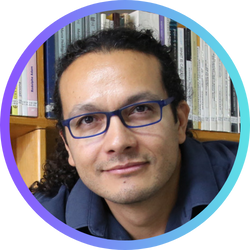
Yaqui A. Martínez-Robles is a psychologist with Masters, PhD and PsyD in Psychotherapy. Training in Gestalt Therapy; Group Therapy, Music Therapy; Narrative and postmodern therapy. Certification in Transpersonal Psychology and Holotropic Breathwork (Grof Transpersonal Training); and as Psychedelic-Assisted Therapy Provider (Integrative Psychiatry Institute). He is the author of four books, and co-author of another two, focused on the existential perspective of psychology and therapy. He has participation with chapters in several books and articles in several journals. Yaqui founded the Circle of Studies in Existential Therapy, in Mexico City, in 2002; where a master’s degree in existential-phenomenological therapy and analysis is offered. He teaches and trains existential-phenomenological psychology and therapy in Mexico and different countries. He is Honorary President of the Latin American Association of Existential Psychotherapy (ALPE). He works in private practice as a Gestalt therapist and existential-phenomenological therapist in modalities one-on-one, couples and groups.
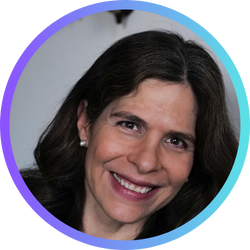
Gloria Herrera Prats is an economist and a psychotherapist. As the latter, she has training in Gestalt Therapy, group therapy, psycho-corporal therapy and is a specialist in addictions.
For more than 20 years, she has been engaged in psychotherapy and has taught Gestalt Therapy for over 15 years. In fact, over the last 5 years, she has been teaching a specialty she created, along with a colleague, on the addictive experience from Gestalt´s perspective. In the process of creating and teaching such a program, she discovered psychedelic assisted therapy, triggering her interest, openness and willingness to learn more about psychedelic assisted therapy and its potential to help, especially in difficult processes, such as depression, anxiety, PTSD, eating disorders… which are often related to substance abuse.
At the same time, along her therapeutic practice, she found more and more frequently the need to accompany people in integration of experiences´ processes with different psychedelics.
In 2020 she attended a one-year seminar for therapists on Therapeutic Integration of Experiences with Psychedelics.
Home Group Facilitator.
Elizabeth Willis RN, MS, PMHNP(c) is a co-founder of the Organization for Psychedelic and Entheogenic Nurses (OPENurses) and has practiced as an emergency department registered nurse (ED RN) in critical care settings for a decade. Passionate about disaster response and humanitarian work, her nursing path has taken her as far as Bolivia, Ecuador, Cambodia, Laos, and Zimbabwe. She currently works as a front-line provider ED RN at the University of California, San Francisco (UCSF). A 2017 graduate of the second cohort of the California Institute of Integral Studies (CIIS) Certificate in Psychedelic Therapies and Research (CPTR) program, she next earned a Master of Science (MS) degree from UCSF’s Psychiatric Mental Health Nurse Practitioner (PMHNP) program.
Psychedelics, peer-support, harm reduction, and nursing are areas where she has received advanced training and cultivated deep experiences. In west Sonoma County, CA, Liz has volunteered or worked for organizations as diverse as the Humane Society, Planned Parenthood, Red Cross, and Sutter VNA Hospice. Since 2013, as a volunteer with the Multidisciplinary Association for Psychedelic Studies (MAPS) for ZENDO Project, she has participated in all roles including medical lead and supervisor, training others in psychedelic harm reduction and holding space safely at numerous events and festivals in the United States, Costa Rica, and South Africa. In 2021, she was honored to serve as a supervisor for the launch of the pioneering psychedelic peer-support line — Fireside Project.
Her own personal healing journey began in Peru working within Shipibo traditions and ultimately led her to Teotihuacán, where her path as a Moondancer and as a Pipe Carrier walking in the Nahuatl lineage was initiated. Liz is looking forward to her future role as a PMHNP where she will continue to fulfill her mission:
To honorably bring psychedelic medicines and plant entheogens to the western medical model by elevating the art, science, and spirituality of nursing in the fields of psychedelic-assisted therapies and research.
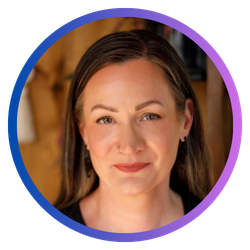
Home Group Facilitator.
Nikki is a Licensed Clinical Social Worker based in Milwaukee, Wisconsin. In addition to serving as a clinical facilitator in psychedelic research, she is an educator in psychedelic medicine, training clinical trial facilitators and providing education in ketamine-assisted psychotherapy. She has received specialized training through the California Institute of Integral Studies, Polaris Insight Center, Naropa University, and MAPS/Lykos. Nikki has extensive experience working with a variety of psychedelic compounds within clinical research settings and also works with ketamine in her private practice where she utilizes a relational and attachment focused approach incorporating somatic attunement and the nervous system.
Home Group Facilitator.
Kosu Boudreau is a graduate from IPI’s Psychedelic-Assisted Therapy Cohort #1 and currently works as a ketamine assisted therapist in Toronto, Canada. She also completed the MAPS MDMA therapy training.
Kosu worked in healthcare as a psycho-spiritual therapist and clinical educator for over 15 years before entering private practice. She integrates somatic, experiential, psychodynamic and parts work in her therapy style. Her down-to-earth approach is engaging, authentic and trauma-informed.
A self-professed learning nerd, Kosu is currently studying somatic attachment therapy and psychedelic somatic integration.
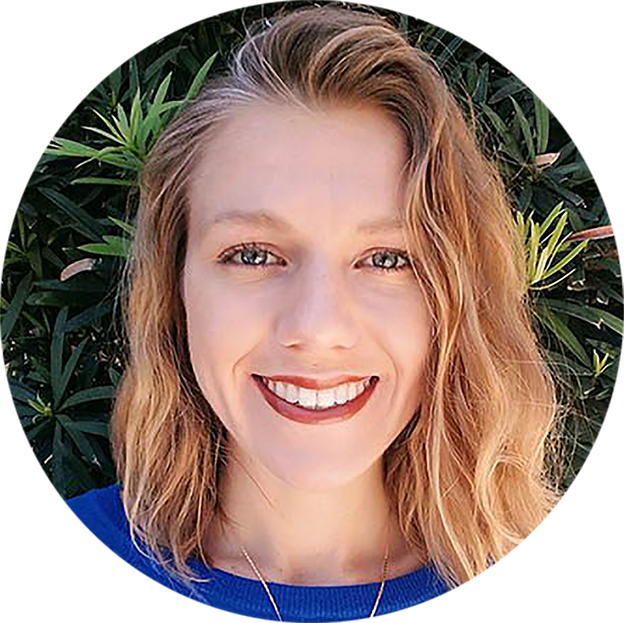
Shannon Carlin, MA, LMFT, is the Director and Head of Training and Supervision at the MAPS Public Benefit Corporation (MAPS PBC), a wholly owned subsidiary of the Multidisciplinary Association for Psychedelic Studies (MAPS PBC), a 501(c)(3) non-profit. As the Director of Training and Supervision, Shannon oversees the development and implementation of the programs that provide training and supervision to prepare mental health and medical professionals to deliver MDMA-assisted therapy in approved clinical settings. Shannon started working with MAPS PBC in 2011 before joining MAPS PBC in 2016. In her dedication to supporting people through growth and healing, Shannon has served as a co-therapist on MAPS PBC-sponsored Phase 2 trials researching MDMA-assisted therapy for anxiety associated with life-threatening illness and MDMA-assisted therapy for severe PTSD. Shannon’s direct clinical work continues to inform the development and implementation of the training programs she oversees. Shannon’s previous professional experience includes the development of community programs delivering resources, services, training, and support for healthy living, life skills, employment, and positive youth development. Her work has served adults with schizophrenia, bipolar, and substance use disorder, families and youth in a low-income residential setting, and high school students learning about moderation management of drug and alcohol use. In her lifelong commitment to address homelessness, Shannon volunteers with housing projects and shelters and completed a farm internship with the Homeless Garden Project. Shannon received her master’s degree in Integral Counseling Psychology from the California Institute of Integral Studies and a bachelor’s degree in Cultural Anthropology from the University of California, Santa Cruz. An adventurer at heart, Shannon can be found in nature, backpacking, running, and dancing. She celebrates and cultivates relationship and community and is passionate about life, love, and thriving.
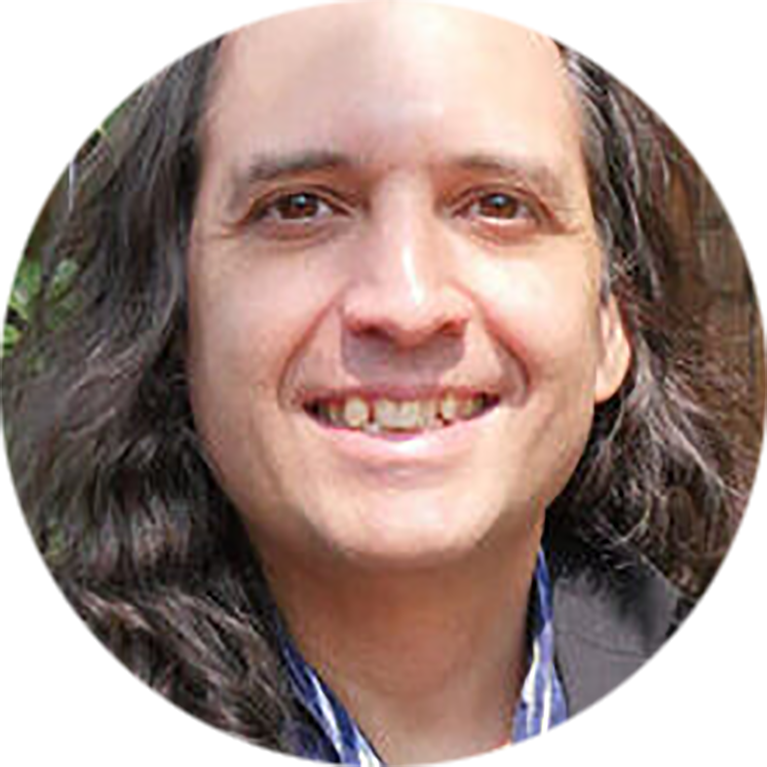
Ian Wickramasekera, PsyD, a clinical psychologist and have been a teacher of transpersonal psychology for over 20 years. He taught counseling related courses at Naropa University since 2015 and previously taught at Saybrook University, the Adler School of Professional Psychology, and the University of Illinois Medical School. His interest in psychedelically assisted psychotherapy began when He met and spent time with Dr. Timothy Leary in 1986. He loves researching anything related to mind/body/spirit phenomena. He is most well-known for his work in hypnosis and empathy which has won a number of awards and Fellowship in the American Psychological Association. However, he also developed research and theory involving biofeedback, Dzogchen, empathy, meditation, near death experiences, psychophysiology, Shamanism, spirituality, and transpersonal experiences. Almost all of his 50 plus publications can be accessed here: (12) Ian Wickramasekera (researchgate.net)

Sandhya Prashad, MD is a board certified psychiatrist specializing in interventional modalities for treatment resistant disorders with a particular interest and expertise in KAP. She completed both medical school and psychiatry residency at Baylor College of Medicine. She has been in private practice in the Houston area since 2011 and has been utilizing intravenous "ket" since 2016. She has personally administered over 5,000 treatments. She is the founder and medical director of Sandhya J. Prashad, MD, Houston TMS Therapeutics. Dr. Prashad is involved on an international level with furthering awareness and education regarding the safe and effective use of KAP. She is a founder, the former secretary and the current president of ASKP3. Dr. Prashad has been appointed as a clinical assistant professor at Baylor College of Medicine in the Menninger Department of Psychiatry and Behavioral Sciences where she assists in education of residents and medical students regarding the use of KAP and TMS in clinical practice. She continues to work to expand her practice to include evidence based interventional treatments as they become available, and has a particular interest in expanding access and affordability of these treatments.
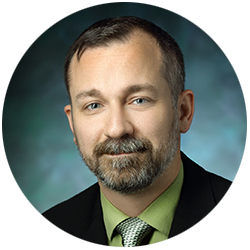
Frederick Barrett is a cognitive neuroscientist with training in behavioral pharmacology, and the Associate Director of the Johns Hopkins Center for Psychedelic and Consciousness Research. Dr. Barrett has been conducting psychedelic research at Johns Hopkins University since 2013, and his research in healthy participants and in patients with mood and substance use disorders focuses on the psychological and neurological mechanisms underlying the enduring therapeutic and other effects of psychedelic drugs. In 2017, he received an NIH “R03” grant as Principal Investigator to investigate biological mechanisms of psilocybin effects, the first federally funded research since the 1970s administering a classic psychedelic to people with psychedelic effects as the primary focus. He has developed measures of subjective effects of psychedelic drugs, and has also published first-in-human studies characterizing the acute and enduring effects of psilocybin on the brain. He is currently leading clinical trials to investigate the use of psilocybin to treat patients with major depressive disorder and co-occurring alcohol use disorder, and he is leading a number of ongoing studies aimed at better understanding the psychological, biological, and neural mechanisms underlying therapeutic efficacy of psychedelic drugs.
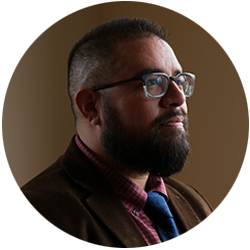
Albert Garcia-Romeu (Roh-May-Oh), Ph.D. is an Assistant Professor of Psychiatry and Behavioral Sciences at the Johns Hopkins University School of Medicine. His research examines the effects of psychedelics in humans, with a focus on psilocybin as an aid in the treatment of addiction. His current research interests include clinical applications of psychedelics, real-world drug use patterns, diversity in science, and the role of spirituality in mental health. He is a founding member of the Johns Hopkins Center for Psychedelic and Consciousness Research and the International Society for Research on Psychedelics.
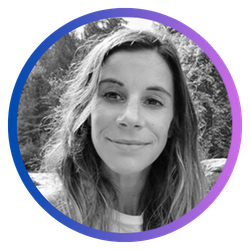
Coreen Herron is a psychiatric mental health nurse practitioner (PMHNP) with a nursing background in end-of-life care. She attended the first cohort of IPI’s Psychedelic assisted therapy practitioner program and now provides ketamine psychotherapy in private practice. Coreen also loves teaching hot yoga, which she has been doing for 15 years and getting outside and being active with her family.
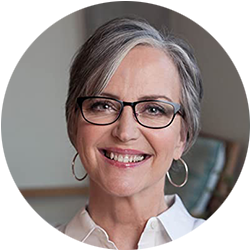
Saundra Jain, MA, PsyD, LPC, is an Adjunct Clinical Affiliate, School of Nursing, at The University of Texas at Austin, and a psychotherapist in private practice. Dr. Jain is a co-creator of the WILD 5 Wellness Program and co-author of a well received workbook written for those interested in improving their mental wellness - KickStart30: A Proven 30-Day Mental Wellness Program. She is co creator of the Psychedelics and Wellness Survey (PAWS) exploring the intersect between psychedelics and wellness. She serves as a member of the Psych Congress Steering Committee providing direction regarding educational gaps/needs for mental health practitioners, and Sana Symposium providing psychedelics education for mental health and addiction professionals.
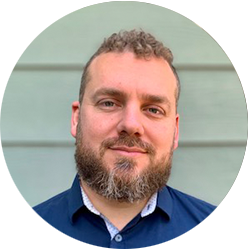
Drew is a licensed psilocybin facilitator in the state of Oregon, where he specializes in psychedelic-assisted healing. He received comprehensive training in this field through the Integrative Psychiatry Institute (IPI) in collaboration with MAPS, as well as through Bodhi Academy. Drew is deeply interested in the therapeutic potential of non-ordinary states of consciousness to support healing from trauma, addiction, depression, and other forms of psychological distress.
Drawing from a foundation in existential, meaning-centered approaches, Drew supports individuals in holistic healing journeys that address not only symptoms but also deeper questions of purpose, identity, and connection.
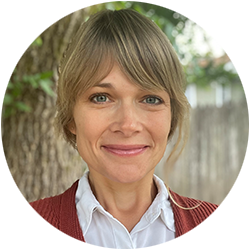
Rebecca Ahnsdotter is a trauma-informed clinical social worker with a private practice in the heart of Oregon’s Willamette Valley. Rebecca specializes in anxiety, depression, addiction, trauma, and life transitions, and works primarily with women, the LGBTQI+ community, and individuals deconstructing religious trauma. She brings a compassionate, person-centered approach to her work, incorporating EMDR, IFS, ACT, and Ketamine-assisted therapy to support her clients' healing and growth. Rebecca received psychedelic-assisted therapy training through Integrative Psychiatry Institute and is one of Oregon’s first licensed psilocybin facilitators.
Prior to working as a clinical therapist, Rebecca founded and operated Evergreen, a national non-profit organization that offers counseling to financially distressed populations. In this position, she developed counseling and educational curriculum, and trained and mentored a team of counselors who provided services to over 100,000 students in ten years. When not working with clients, Rebecca can be found exploring the beautiful Pacific Northwest with her partner and their six children.

Veronika Gold is a co-founder of Polaris Insight Center, and a psychotherapist licensed in California and Oregon. Veronika is a lead trainer at Polaris Insight Center Ketamine and Psychedelic Assisted Therapy training program, and she is a sub-investigator, supervisor, and a trainer in training for MAPS MDMA-AT program. Veronika has been a psychologist and psychotherapist specializing in trauma treatment, and in addition to psychedelic assisted therapy she has been a facilitator in EMDR and Organic Intelligence trainings.
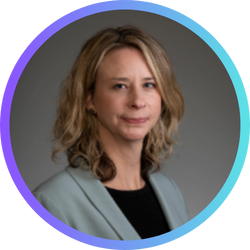
Dr. Katy Barrs completed her doctorate in clinical psychology at the University of Denver in 2007. She is currently an Associate Clinical Professor in the Military Psychology specialty at the Graduate School of Professional Psychology. After ten years of working for the Department of Veteran Affairs, she returned to the University of Denver to start and serve as the Clinic Director of the Sturm Center, a training clinic which serves Veterans, Servicemembers and their families. Dr. Barrs has worked with Veterans and Servicemembers at the Minneapolis V.A. Medical Center, the Boston V.A. Healthcare System, and the Denver Vet Center where she served in the role of Military Sexual Trauma Treatment Coordinator. Dr. Barrs oversees the Sturm Center, provides clinical education to multiple students within the clinic, and provides licensed community clinicians with education and consulting about these populations. She has been featured in the documentary Acronym, a timely expose about the nature of PTSD from combat. She recently completed Naropa University's Psychedelic Assisted Therapy Certification and is now enrolled in Elemental Psychedelics Mushroom Facilitator Advanced Pathway Program.
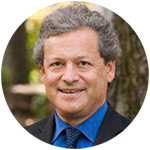
Michael D. Banov, MD is a triple board-certified Adult, Adolescent, and Addiction Psychiatrist and is the medical director of PsychAtlanta and PsychAtlanta Research Center in Atlanta, Georgia. PsychAtlanta is an outpatient behavioral health group practice providing comprehensive outpatient services to those suffering from a wide range of psychiatric problems.PsychAtlanta Research Center works with pharmaceutical companies to test new compounds for the treatment of psychiatric disorders including, but not limited to, depression, anxiety, bipolar disorder, attention deficit disorder, and schizophrenia.
Dr. Banov attended medical school at Emory School of Medicine and completed his psychiatry training at McLean-Mass General Hospital, Harvard Medical School residency program. He was chief resdient of the psychotic disorders program and was given a teaching faculty appointment at Harvard Medical School before moving back to Georgia. He is a certified clinical investigator, having received his certification from the Association of Clinical Research Professionals (ARCP). He is also board certfied as a Diplomate by the American Board of Integrative and Holistic Medicine. He is an assistant clincial professor of psychiatry at the Medical College of Georgia.
Dr. Banov has conducted over 100 clinical research studies with new and existing compounds in the management of acute and chronic psychiatric conditions. He runs a treatment resistant mood and anxiety program that includes ketamine, Spravato, and other innovative therapy options. He recently published a paper in CNS spectrums on ketamine in anxiety disorders and is a medical consultant for an Atlanta-based medical device company working on innovation solutions to deliver intransal medications in a controlled and safe manner.
See www.psychatlanta.com for more information about Dr. Banov
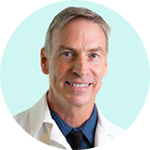
Randall Malchow, MD served as an anesthesiologist for 25 years in the armed forces before retiring as a colonel in 2008. He then became an associate professor at Vanderbilt University Medical Center in Nashville, where he was the first Vanderbilt physician to offer intensive ketamine infusion therapy in 2014. In 2015, he established one of the few ketamine infusion centers (KIC) in the Veteran Health Administration and the only KIC in the U.S. specifically targeting opioid cessation/reduction.
He has an extensive 30-year experience with the administration of ketamine for analgesic purposes and has presented his experience with ketamine in the veteran population at the American Society of Ketamine Physicians Annual Meeting in 2018. Dr. Malchow has published over 20 peer-reviewed journal articles and serves regularly on worldwide medical missions supporting those in need.
Dr. Malchow is honored to serve as the Medical Director for the AMG Ketamine & Wellness Center to provide compassionate and competent care for those suffering from chronic pain, opioid dependence, depression, PTSD, anxiety, and OCD.

Erin Amato, MD is a private practice Pediatric and Adult Psychiatrist at Montana Psychiatry & Brain Health Center in Billings, Montana. She was the first physician to bring Transcranial Magnetic Stimulation and Psychedelic treatment for depression to Montana and has focused her practice on innovative and integrative treatments to help patients find hope and healing. She completed TMS training at the Brain Stimulation Lab at MUSC and psychedelic assisted psychotherapy training through the Psychedelic Research and Training Institute (PRATI). In 2018, she founded The Center for Ideal Health with the aim to promote optimal health and aging through lifestyle and personalized medicine programs. She is currently anAdvanced Fellow in Anti-Aging, Metabolic and Functional Medicine with The American Academy of Anti-Aging Medicine and is passionate about helping people achieve optimal mood and memory across the lifespan through integrative and precision medicine.
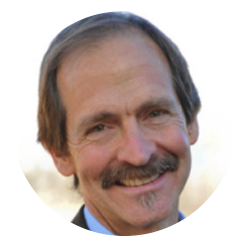
Scott has been a student of consciousness since his honors thesis on that topic at the University of Arizona in the 1970s under the tutelage of Dr. Andrew Weil. Following medical school, Scott studied Jungian therapy and acupuncture while working as a primary care physician in a rural area for four years. Psychedelic-assisted psychotherapy became a facet of his practice before this medicine was scheduled in 1985. He then completed a psychiatry residency at Columbia program in New York. Scott studied cross-cultural psychiatry and completed a child/adolescent psychiatry fellowship at the University of New Mexico.
In 2010 he founded Wholeness Center in Fort Collins. This innovative clinic provides cross-disciplinary evaluation and care for all mental health concerns. Scott serves as a site Principal Investigator and therapist for the Phase III trial of psychedelic-assisted psychotherapy for PTSD sponsored by (MAPS). He has also published numerous articles about his research on (CBD) in mental health. Currently, Scott works extensively with psychedelic-assisted-psychotherapy. He lectures all over the world to professional groups interested in a deeper look at mental health issues, safer tools, and a paradigm-shifting perspective about transformative care.
At IPI we take the position that different perspectives and backgrounds are necessary for a vibrant community to thrive. In the field of psychedelic-assisted therapy, there are not enough providers who identify as members of groups who have been oppressed or marginalized. Particularly poignant is the reality that therapists who do not identify as members of the BIPOC and LGBTQIA+ communities struggle with providing care that is both culturally competent and sensitive to the unique challenges of oppression and marginalization. We are committed to a diverse faculty, equity among the learners and education that creates cultural competency.
“I was so taken back at how inclusive this program was. As a therapist of color, many trainings and programs include culture as part of the program. This program was different; it did not include culture, it made it the foundation of learning from every aspect. I felt seen, heard, and understood.”

This program is worth the investment if you are interested in learning about psychedelic assisted therapy, where it is and where it’s going as well as your own personal growth. The presenters, faculty, and staff really provided a seamless experience that I would highly recommend.
The energy of the training experience is like no other professional training I’ve attended. The Immediate sense of community, openness, curiosity, and connection adds a depth to the information so it can be more fully integrated in both personal and professional spheres
I may be a therapist with lots of experience in my field but this program pulled me into areas of practice that have broadened my perceptions, increased my capacity for relating to clients in all settings and has trained me to be a really good psychedelic assisted therapist.
The program is highly organized, well developed, with a wide range of psychedelic assisted psychotherapy topics as well and inclusion and diversity education and awareness. The teachers had a palpable sense of integrity that, in my opinion, sets this program apart from the rest. Would highly recommend this program to others.
The program is highly comprehensive and well organized. I really liked the variety of perspectives that the presenters came from. The IPI staff did an amazing job organizing the event and managing any and all technical issues. I would highly recommend to anyone interested in learning more about psychedelics and psychedelic therapies and research.
The intensive was phenomenal. Even more than I expected. Impressive lecturers and participants. Well organized. Participants are genuine and eager to learn.
The presenters so far in this program have been phenomenal and engaging. The breadth of subjects in this psychedelic wellness field are highlighted very well. You can tell the organizers put a lot of care and thought into this program.
From the moment this training started, I found myself captivated by the instructors, course developers, leadership, and last but not the least, the fellow students. It is phenomenal to see so many disciplines come together to collaborate, learn, and lift one another up! I’ve already learned so much, and continue to be inspired.
The lectures were well-organized and provided a wide foundation for psychedelic practice. The emphasis on being an ethically grounded practitioner was especially welcomed.
The incorporation of wide range of topics beyond the psychedelics such as integrative health, artists, visionaries, harm-reduction, racism – everything is so welcome and needed. Thank you for the great variety which will inform my practice for years to come..
Continuing education credit for this program is provided through AKH Inc., Advancing Knowledge in Healthcare. AKH Inc. is jointly accredited by the Accreditation Council for Continuing Medical Education (ACCME), the Accreditation Council for Pharmacy Education (ACPE), and the American Nurses Credentialing Center (ANCC) to provide continuing education for the healthcare team.
Eligible participants may earn up to 49.0 continuing education credits, with accreditation available across multiple healthcare professions. Continuing education credits for psychologists are provided through the co-sponsorship of the American Psychological Association (APA) Office of Continuing Education in Psychology (CEP), and social workers may earn continuing education credit through the Association of Social Work Boards (ASWB) Approved Continuing Education (ACE) program.
The knowledge, experience, and confidence you will gain from attending the IPI Psychedelic Therapy Provider Certification is unparalleled.
No other program provides a learning experience like this, from the quality of training to the world-class faculty ready for your every question.
The IPI Psychedelic Therapy Provider Certification will help you feel confident providing ketamine, but will also bring your knowledge base up to date on the latest evidence.
Make an investment in yourself and your education. Take your practice to a new level of patient care.
And if you’re not happy with the program, you can get a full refund within the first 14 days after the date that you pay and register, as long as it’s before the start of the program. Once the program starts, no refunds will be issued. Simply reach out to our team, let us know what we could have done better, and your refund will be on its way.
“This training has been well organized, professional and so very inspiring! It brings together all of the elements that are at times siloed in medicine, mental health and spirituality. Highly recommend!”
Explore the format, support, and requirements of your certification.
Online lectures run weekly during the live portion of the program, February–May 2027, on Tuesdays at 9:00 AM Mountain Time. If you cannot attend a session, you can watch the recording in your online library during your two-year access period.
There will be time during the large group seminars for feedback from teaching assistants, as well as during the live experience if you attend. In addition, there is a time for Q+A during every live lecture, as well as a community forum. You will also be assigned to a small group mentorship video call that meets for an hour weekly, where you can review case studies and ask further questions.
You receive two-year access to your online library of course materials and session recordings. Your Foundations self-study materials are available as soon as you register.
You will receive our IPI Psychedelic Therapy Provider Certification as long as you satisfactorily pass all quizzes, the Foundations of Psychedelic Therapy asynchronous and live learning final exams, and meet our attendance requirements.
You are expected to attend both online conferences. We will also be doing group exercises and other community-building activities. However, please contact us with any extenuating circumstances.
You get access as soon as you register. Foundations of Psychedelic Therapy is the asynchronous, self-study portion of the program, and you have up to two years to complete it.
Recordings are video, audio and transcripts. Generally, a slide deck is also used by the presenter.
COMP360 is Compass Pathways’ investigational synthetic psilocybin treatment being studied for treatment-resistant depression. It is not FDA-approved.
Your program includes the IPI COMP360 Psilocybin Certification pathway, subject to FDA approval and applicable requirements: Part A, Foundations of Psychological Support, includes 25 hours of self-paced study over approximately three weeks. Part B is a five-hour live online COMP360 Intensive, available post-approval, focused on treatment protocols, care-team roles, and applied case discussions.
Completing training alone does not authorize COMP360 delivery. Any required REMS certification and other applicable clinical, legal, and institutional requirements must also be met.
Make an investment in yourself and your education.
February – May 2027
Regular Tuition$8,000
Additional discounts and payment plans may be available on your admissions call.
Still have more questions? Contact Us
Do you already have one of the following credentials?
© 2026 Integrative Psychiatry Institute
Do you already have one of the following credentials?
Sara Reed, MS, LMFT
Sara Reed is a Licensed Marriage and Family Therapist and CEO of Mind’s iHealth Solutions, a digital health company that provides evidence based and culturally responsible mental health services for underserved groups. As a mental health futurist and clinical researcher, Sara examines the ways culture informs the way we diagnose and treat mental illness. Sara’s prior research work includes participation as a study therapist in psychedelic therapy research at Yale University and the University of Connecticut’s Health Center. Sara was the first Black therapist to provide MDMA-assisted psychotherapy in a clinical trial and continues to engage in ongoing advocacy work around health equity in psychedelic medicine.
Nicole Lewis, ND
Dr. Nicole Lewis is a licensed and registered naturopathic doctor dedicated to the pursuit of natural solutions aimed at treating the underlying causes of disease. She helps patients achieve a healthy mind and body by supporting natural healing systems. Using tools from both alternative and conventional medicine, she works with each patient to develop individualized care. She specializes in both women's medicine and mental health.
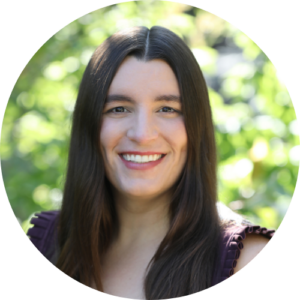
Blakely Saucier
Blakely recently narrated and published an audiobook recording of Timothy Leary’s “Psychedelic Prayers,” featuring music by Desert Dwellers & Liquid Bloom, that is designed to support psychedelic sessions. Visit sacredpsychedelia.com to learn more.
Blakely received her BFA in Theatre Design and Technical Production from the University of Memphis, and spent the first ten years of her career working as a Stage Manager, Lighting Designer, Program Manager, and Artistic Director for both professional and youth theatre companies. Equipped with a passion for the healing potential of psychedelic medicine, community connection, and creative collaboration, she has redefined her focus toward supporting global holistic wellness.
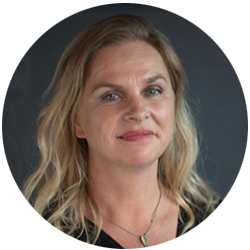
Annelie Smith, RD (SA)
Obtained BSc Dietetics in 1990 and. BSc Med Hons Clin (UCT) in 1992. Annelie has been in Private practice as a dietician since 1994. She has worked in many different areas including Nutrition for Intensive Care Units, Endocrinology, Oncology and Renal care. She has spent many hours working with athletes, in addiction treatment units and as a consultant in Corporate health. She is currently completing her training with the Integrative and Functional Nutrition Academy (IFNA) (USA) and is incorporating this type of treatment in conjunction with Nutrigenomics which she has used as a tool in Clinical Practice for many years. Having completed the Manuka Training course in Translational Genomics and interpreting hundreds of nutrigenomic reports she is now head of Clinical Nutrition and Mentorship in Nutrigenomics at 3X4 Genetics.
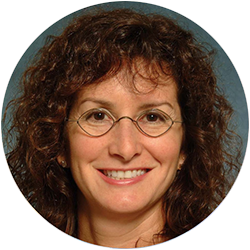
Barbara Olasov Rothbaum, PhD
Barbara Olasov Rothbaum, PhD, is a Professor of Psychiatry and Associate Vice Chair of Clinical Research at the Emory University School of Medicine’s Department of Psychiatry and Behavioral Sciences. She is the Executive Director of the Emory Healthcare Veterans Program and Trauma and Anxiety Recovery Program. She holds the Paul A. Janssen Chair in Neuropsychopharmacology.
Dr. Rothbaum specializes in research on the treatment of individuals with anxiety disorders, particularly focusing on Posttraumatic Stress Disorder (PTSD) as well as pioneering the application of virtual reality to the treatment of psychological disorders. She has authored over 300 scientific papers and chapters, including five published books on the treatment of PTSD. She has edited three other books on anxiety.
Dr. Rothbaum received the Diplomate in Behavioral Psychology from the American Board of Professional Psychology. She is a former President of the International Society of Traumatic Stress Studies (ISTSS), and received the Robert S. Laufer Award for Outstanding Scientific Achievement from ISTSS. Currently, Dr. Rothbaum is on the Scientific Advisory Boards for the Anxiety Disorders Association of America (ADAA), the National Center for PTSD (NCPTSD), and McLean Hospital, as well as serving on the Executive Committee of the Warrior Care Network. She is a fellow of the American College of Neuropsychopharmacology (ACNP), the Association for Behavioral and Cognitive Therapies (ABCT), and American Psychological Association’s Division 56 (Division of Trauma Psychology). In 2010, Dr. Rothbaum, along with her collaborating team, was honored by Division 56 with the “Award for Outstanding Contributions to the Practice of Trauma Psychology.” She served as a member of the Institute of Medicine’s Study on Assessment of Ongoing Efforts in the Treatment of PTSD.
Dr. Rothbaum’s outreach efforts include training community clinicians in evidence-based treatment for PTSD. The Emory Healthcare Veterans Program is a member of the Warrior Care Network, funded by the Wounded Warrior Project, and is able to provide world class treatment to post 9/11 Veterans from around the country at no cost to the Veteran.
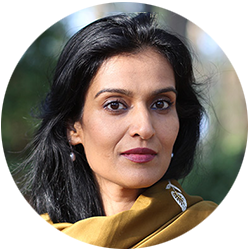
Kamini Desai PhD
Kamini Desai PhD is the Director of I AM Education, former Director of the Amrit Yoga Institute, author and curriculum developer of the I AM Yoga 200hr, 300hr, 500hr teacher certification programs as well as 800hr Yoga Therapy certification. For the last 30 years Kamini has taught worldwide and is known for her unique contribution combining eastern wisdom with western science. She is the daughter of one of the first yoga masters to pioneer the physical practice of yoga in the west. Kamini’s corporate clients have included Bahamas Princess Resorts, Kellogg’s, KEDS, Sony, Mars Confectionary and more.
Nicholas Spiers
Nicholas Spiers is an anthropologist and documentary filmmaker. He co-founded Agua de Rayo, a non-profit civil organization based in Mexico’s Sierra Mazateca, which is invested in visual ethnography and community projects and which also has an interest in Mazatec psychoactive plant use. He has a Master’s degree in visual anthropology from the University of Barcelona and is interested in the sensory experience of audiovisual mediums. He has recently created an award-winning series about the psychoactive plant Salvia divinorum. He is Chacruna’s web video producer, whereby he creates content collating different perspectives and discussions from Chacruna conferences through compact and compelling video formats. He is also co-director with Bia Labate of the documentary web series The Peyote Files.
Kylea Taylor, M.S., LMFT
Kylea Taylor, M.S., LMFT is a licensed psychotherapist (CA MFC #34901) who has been thinking, writing, and teaching about ethics for almost three decades. She developed InnerEthics®, a self-reflective, selfcompassionate, approach to relational ethics which she is now teaching in psychedelic psychotherapy trainings. Kylea started studying with Stanislav Grof, M.D. and Christina Grof in 1984 and was certified by them as a Holotropic Breathwork® practitioner in 1990. She worked with Stanislav Grof as a Senior Trainer in the Grof Transpersonal Training throughout the 1990s and worked for nine years in a residential substance abuse recovery program where she managed a women’s program and facilitated Holotropic Breathwork®. She is the author of The Ethics of Caring: Finding Right Relationship with Clients, The Breathwork Experience, Considering Holotropic Breathwork®, and is the editor of Exploring Holotropic Breathwork®. InnerEthics.com
Selene Kumin Vega, PhD
Selene Kumin Vega, PhD is a licensed psychotherapist (CA MFC #32604), workshop leader, and dancer as well as core faculty in Saybrook University‘s College of Integrative Medicine and Health Sciences. Selene’s work with movement and other experiential modalities has evolved over many years of teaching and developing approaches to facilitating self-exploration, connection, and transformation in workshops and courses. At Saybrook University, Selene teaches courses, mentors students, and works with dissertation students in the Mind-Body Medicine graduate program. She has been working for over 20 years with Stephen Gilligan, Ph.D., assisting him in teaching Creative Mind Coaching. With Anodea Judith, she cowrote The Sevenfold Journey: Reclaiming Mind, Body and Spirit Through the Chakras. Selene has completed the MAPS MDMA-Assisted Therapy Training. https://spiritmoving.com/
Jaime Dias Delgado, LCSW
Jaime Dias Delgado, LCSW (he, they) is a Culture & Identity consultant and trauma therapist with a practice rooted in liberation psychology. Jaime received an MSW from Fordham University and subsequently worked in professional-level foster care, intimate partner violence, youth gender and sexuality education, elementary education curriculum development and student accessibility initiatives. Jaime is a trained MDMA-assisted therapist, National SEED (Seeking Educational Equity & Diversity) facilitator, and certified Waldorf educator. Their private practice, Sodade Revival, is based in Chicago, IL.

Shelby Shaw
Shelby has worked as a researcher, educator, and leader in the fields of higher education, community education, and K-12 education for the past fifteen years. Shelby has a diverse background in the field of education: specializing in transformative pedagogy with underserved populations and having taught in a variety of arenas, including public schools, community organizations, community colleges, universities, and prisons.
Shelby has earned a PhD in Education from University of Rhode Island, MBA from University of Massachusetts, and BA from Providence College. Shelby recently made a career change and earned an RN. She is currently completing a Nurse Practitioner credential from the UMass Medical School as well.
Shelby lives outside Boston with her husband, Wega; four-year-old daughter, Stevie; new baby on the way; two rescue pups; cat; and a flock of chickens and waterfowl. When she’s not working, Shelby enjoys gardening, traveling, and spending time with her family.
Wilhelmina De Castro, LCSW
Wilhelmina De Castro, LCSW (She/They) is trained in KAP through PRATI (Psychedelic Research and Training Institute) and MDMA Assisted Psychotherapy through MAPS (Multidisciplinary Association of Psychedelic Studies. In addition to supporting IPI with building DEI initiatives, Wilhelmina works as PRATI's KAP Training Scholarship Program Coordinator and Co-Faculty for the KAP Training program.
She is deeply committed to diversifying the psychedelic space and uplifting the voices, talents and work of the BIPOC community. Wilhelmina has conducted research and published in the areas of global human trafficking and trauma informed case management and teaches Masters level courses in Psychology, Human Behavior and Social Innovation. Wilhelmina provides a safe space for people to explore the root of their pain, the situations that perpetuate their challenges and solutions that will help them achieve their ultimate goals.
Wilhelmina is currently practicing KAP with individuals and groups and offering low-cost/ donation based KAP for historically marginalized peoples. She specializes in the areas of anxiety, depression, trauma and life transitions. She has significant experience in working with womxn, the LGBTQI+ community and poly/non-monogamous people.
Kelly Thooft
Kelly Thooft’s journey exemplifies the seamless blend of professional excellence, academic achievement, and athletic discipline. A former Division I volleyball athlete at George Mason University, Kelly honed her competitive spirit and leadership skills while earning her Bachelor of Science in Economics. She further advanced her expertise with a Master of Business Administration from the University of Maryland, College Park, and completed the Venture Capital Executive Education Program at the University of California, Berkeley, deepening her insights into innovation-driven growth. Kelly was recently named one of the Top 50 Women Leaders in Healthcare by Women We Admire magazine.
Currently, Kelly serves as the Chief Operating Officer and Chief Financial Officer at the Integrative Psychiatry Institute (IPI), where she plays a pivotal role in advancing the organization's mission to transform mental health care. She leads strategic initiatives, optimizes operations, and ensures financial excellence to support IPI’s innovative educational programs and evidence-based approaches to mental health treatment. Kelly’s leadership is central to IPI’s focus on integrative psychiatry, psychedelic-assisted therapy, and functional medicine, empowering practitioners to address the root causes of mental health challenges while fostering resilience and well-being.
With over 15 years of experience driving transformative growth in industries such as wellness, human performance, and technology, Kelly is renowned for her dynamic leadership style. She excels at understanding and harnessing individual and team motivations, creating environments that foster trust, loyalty, and shared purpose. Her strategic, hands-on approach focuses on reducing turnover, building cohesive teams, and cultivating a culture of high performance to achieve sustained growth and operational excellence.
Beyond her professional endeavors, Kelly enjoys an active lifestyle, including hiking with her husband and their two Bernese Mountain Dogs, skiing, and swimming. A certified Lagree Pilates instructor, she is passionate about fitness, practicing both Lagree and hot yoga. An avid reader, she finds inspiration in memoirs and books on human performance, reflecting her curiosity about personal growth and resilience. Kelly’s multifaceted journey underscores her dedication to unlocking human potential, making her an impactful leader at IPI and beyond
Tonya Dove
Tonya brings 20 years of experience in human resources, talent acquisition, social services, marketing, and community development. She specializes in building teams and processes for start-ups and companies in hyper-growth around the country. She leads through her passion for technology, employee experience, and mental health.
Mackenzie Ray
Mackenzie Ray is the Operations Manager for Integrative Psychiatry Institute. She is driven by her passion for people, community and team. With over fifteen years' experience in operations, people and talent, she’s dedicated to being a vital part of growing a company from the start to large scale productions. She is most comfortable wearing many hats and dedicated to finding innovative solutions. Mackenzie was first drawn to IPI by their commitment to revolutionizing mental healthcare.
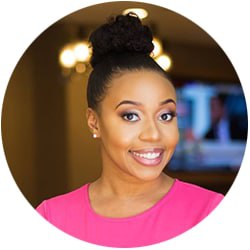
Denise Rivers-Nickelberry
Denise Rivers-Nickelberry serves as the Director of Marketing for IPI. She holds a Bachelor's degree in journalism and is currently finishing up her Master's in Management & Leadership. As both a creative and analytical thinker, she enjoys creating and implementing marketing strategies that build brand awareness. She has a true passion for the work that she does in marketing and an even bigger passion for helping to revolutionize mental health care. When she's not working, Denise enjoys vlogging, traveling and spending time with her husband and daughters.
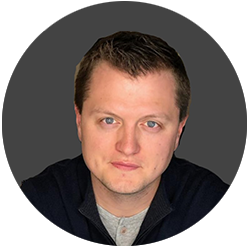
Jay Thooft
Jay serves at the Director of Admissions with IPI overseeing the enrollment for the Psychedelic Assisted Therapy Training Program. Jay works with individual students as well as large group practices, hospital systems, and behavioral health clinics to get their clinicians up to speed on Psychedelic Assisted Therapy.
Jay holds a Masters of Arts degree in Sport and Performance Psychology from the University of Denver. He was in practice for 7 years working with athletes from the Olympic level to Youth Sport fostering mental health in the stressful and dynamic environments that sport creates.
Jay is excited about the promise of psychedelics in mental health and enjoys learning about each and every student to make sure that our program will help them accomplish their goals.
Jay resides in Huntsville, AL with his wife and two Bernese Mountain Dogs.
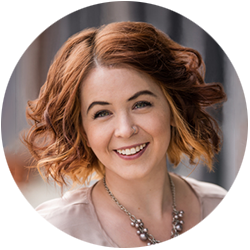
Jordan Dobrowski, LCSW
Jordan Dobrowski is a Licensed Clinical Social Worker and Certified Psychedelic-Assisted Therapy Provider with experience providing psychotherapy to youth and adults in both English and Spanish. She received her Master’s in Social Work with certificates in Trauma-Informed Care and Culturally Responsive Mental Healthcare for Immigrant Families from the University of Chicago in 2018. She currently teaches with Naropa University and the Integrative Psychiatry Institute in their psychedelic clinical training programs. She is the founder of Willow & Leaf Counseling, and the executive director for Kaleidoscope Psychedelics — an organization working to improve psychedelic therapy access for BIPOC, queer, and neurodivergent folks in land of the Peoria, Potawatomi, Myaamia, Kaskaskia, and Kickapoo -- known commonly today as Chicago, IL.
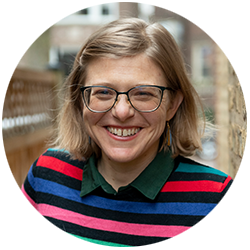
Anya Ravitz, LCPC, NCC
Anya (she/they/he) is a queer therapist living in Chicago. She has been providing ketamine-assisted therapy as lead therapist at Field Trip Health’s Chicago clinic since February, 2021. Anya has worked with IPI since July, 2021, helping to support students as they learn about psychedelic assisted therapy. He believes clients hold wisdom about their own experiences, which drives their current needs and goals. As a therapist, Anya acts as a facilitator to help clients uncover and enhance their existing strengths. His clinical interests are in psychedelics, trauma, neurodivergence, and queer issues. In their non-work life, they are a long-distance runner (marathons and above) and enjoy spending down-time with their cats Tabitha and Bob.
Susan Frederick, MD
Susan is Board Certified in both Adult Psychiatry and Child and Adolescent Psychiatry. She is also a certified Child, Adolescent and Adult Psychoanalyst. She works with individuals, families and couples. She also works with a wide range of mental health concerns including depression, bipolar mood disorder, anxiety, life transition issues, divorce, grief, ADD/ADHD, and behavior issues.
Zane Guilfoyle, LPC, LAC, ACS, MAC
Raised in the Colorado mountains, Zane wears shorts and Chacos even in the midst of the winter. He enjoys skiing powder, “wander” hiking, “creative” camping and is always up for an adventure. With a master’s in counseling from Naropa University, Zane has a passion for LGBTQ communities and sexual health. He believes that psychedelic assisted therapy is a perfect avenue to help create change in the world.
Katie Markley, MA, LPC, LAC
Katie Markley is a transpersonal therapist with over 11 years of experience working with adults in private practice. She is trained in somatic trauma work as well as art therapy from Naropa University. Passionate about altered states medicine work, Katie has witnessed their capacity to facilitate deep healing. She draws experience from her work as a Ketamine Assisted Therapist and member of the Native American Church. She is trained by MAPS in the MDMA-Assisted Psychotherapy for Post-traumatic Stress Disorder. In addition, she has worked with Medicinal Mindfulness as both a participant and assistant in their Psychedelic Sitters School, giving her much practice blending psychotherapy with altered states.
As a trauma specialist Katie utilizes tools like EMDR, neuroscience and somatic psychotherapy as practical techniques for supporting wholeness in others through nervous system integration and trauma healing.
Naropa University, Transpersonal Psychology
Certified in MAPS MDMA-Assisted Psychotherapy
Psychedelic Sitters School, Medicinal Mindfulness
EMDR Trained
Shannon Korn
Shannon brings a wealth of experience to her role as Office Manager at IPC. With almost twenty years of experience in personal development, social work, youth care, foster care, healing arts, and office administration, she is passionate about quality mental health services and the journey toward wellness. As a previously-licensed massage therapist and massage school instructor, Shannon deeply understands the need for trauma-informed care. Shannon holds each person’s story with profound empathy and personally understands the diverse needs of someone on a healing path.
Drew Puxty
Drew is a licensed Psychologist who has experience working with individuals from the international community for a wide range of clinical disorders (e.g., depression, anxiety, trauma, addiction). In addition, his passion for the use of psychedelics for personal growth and transformation have led to contributions within the field of psychedelic research, as well being a graduate ‘psychedelic-assisted therapy provider ’(Integrative Psychiatry Institute). Drew stays disciplined through the practice of boxing, which has taught him a great deal on cultivating his connection with mind and body.
Kosu Boudreau
Kosu Boudreau is a graduate from IPI’s Psychedelic-Assisted Therapy Cohort #1 and currently works as a ketamine assisted therapist in Toronto, Canada. She also completed the MAPS MDMA therapy training.
Kosu worked in healthcare as a psycho-spiritual therapist and clinical educator for over 15 years before entering private practice. She integrates somatic, experiential, psychodynamic and parts work in her therapy style. Her down-to-earth approach is engaging, authentic and trauma-informed.
A self-professed learning nerd, Kosu is currently studying somatic attachment therapy and psychedelic somatic integration.
Amy Margulies, MS, LPC
Amy is an IPI Certified Psychedelic Assisted Provider, engaged in research at the University of Wisconsin-Madison as a psychedelic assisted therapist. She has recently retired from her career as a mental health counselor, specializing in substance use concerns. Prior to becoming a therapist, Amy was a Chinese language teacher (briefly) in college and high school. She loves to travel, camp, listen to music, hang out with friends and family and explore realms of consciousness.
Mona Irrmischer
Mona Irrmischer is a Neuropsychologist and received a PhD researching the effects of meditation on the brain at the Vrije University of Amsterdam. She is an integrative body-oriented therapist, psychedelic assisted therapist, breathwork and mindfulness trainer.
Emily Hackenburg
Emily Hackenburg graduated from the College of New Rochelle in 2006 as a Family Nurse Practitioner. Her personal experiences with the healing potential of psychedelics have been transformational in her own life and has inspired her to pursue a path into psychedelic medicine. She's a graduate of the Certificate of Psychedelic Assisted Therapies and Research at CIIS. In 2021, she completed the Ketamine Medical Provider Training with The Integrative Psychiatry Institute.
Emily is passionate about the power of group work and is committed to creating models of care that increase access, equity, inclusion and cultivate community and connection. She is currently the lead medical provider at Field Trip Health & Wellness, utilizing Ketamine Assisted Psychotherapy within a trauma-informed, psychedelic model.
Carsten Fisher
Carsten Fisher is a behavioral psychologist by training, experienced in working with populations diagnosed with an array of mental health challenges, and is a passionate harm reductionist and educator. Carsten has been a student of psychedelic-assisted healing modalities and integration practices, and his passion is grounded in service of Black & non-Black persons of color, and LGBTQIA+ communities - prioritizing accessibility & equity, community-centered harm reduction, and critical analyses of oppressive systemic frameworks. He aims to weave together common themes across disciplines of harm reduction, mindfulness, and applied behavioral analysis. In his personal life, Carsten likes to rock climb, play tennis, write poetry, and spend time with friends and family.
Liz Flores Farrell
Liz Flores Farrell (she/her) received her MSW from NYU Silver School of Social Work and has a private practice in NJ. She trained in Trauma Studies from the Manhattan Institute of Psychoanalysis (MIP), Heart-Centered Hypnotherapy, Somatic Experiencing, Ketamine Assisted Psychotherapy with Polaris Insight, Psychedelic Therapy with CIIS Center for Psychedelic Therapy and Research program, and MDMA Therapy with MAPS. Liz has a relational and Somatic approach to trauma resolution and Psychospiritual integration. Liz is passionate about activating healing in First-Gen Latinx folks and is excited about mentoring others in Psychedelic Therapies. Liz is also a certified yoga instructor and tarot reader. Devotional and ritual practices are the heart of Liz's work.
Comer Gaither
Comer Gaither has a doctorate in clinical psychology and works with children (in a school-based setting) in the mornings and with adults in the afternoon. He is trained in Hakomi, a mindful, somatic, psychotherapy, and is a part of the Hakomi South East trading staff. He supervises clinical psychology doctoral students at the University of Virginia, supports clients receiving ketamine, and facilities psychedelic integration. His previous work in the field of literature investigated identity formation at the intersection of narrative, myth, and landscape. Comer is a graduate of IPI’s Psychedelic-Assisted Therapy Program (3rd cohort).
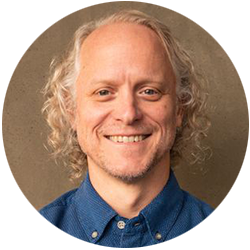
Kris Isaacs
Kris Isaacs is a registered licensed therapist and certified addictions specialist in the state of Colorado. He received Master of Arts in Transpersonal Counseling Psychology from Naropa University in Boulder Colorado and is a graduate of IPI’s Psychedelic Assisted Therapy training, Cohort 2. Kris is in private practice with a focus on supporting his clients in addressing anxiety, depression, life transitions, integration work and substance use/abuse/addiction. He holds an emphasis on the client-therapist relationship and in one's own innate desire to heal. He utilizes modalities such as Internal Family Systems, somatic therapies and mindfulness techniques while welcoming all that arises in the therapy setting.
Kris is a spiritual seeker who thrives in the outdoors. He loves to be on trails, rivers banks with a fly rod and sleeping under the stars. He is a partner to his amazing wife and the father of two incredible humans...and a dog dad!
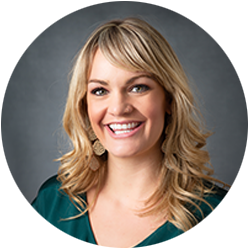
Jessica Cook
Jessica Cook, MA, LMFT is a passionate couples and family therapist in Denver. With over 12 years of experience, she continuously strives to support her clients in reaching their potential as they enhance their relationships and connections to the world around them.
Jessica earned her Undergraduate Degree in Psychology from the University of Colorado, Boulder and completed her Master’s in Clinical Counseling- Couples and Family Therapy, from the University of Northern Colorado. She is a Licensed Marriage and Family Therapist whose experience includes extensive work with children, individuals, and couples and families. She is a trained Gottman Level One therapist as well as an Emotionally Focused Therapist (EFT). She is also Trained in and utilizes Eye Movement Desensitization Reprocessing (EMDR) for a deeper dive into trauma and healing. She is certified in Psychedelic Assisted Psychotherapy through Integrative Psychiatry Institute.
Jessica specializes in working with anxiety, depression, life stage transitions, PTSD and trauma, psychedelic integration, parenting both in intact and divorced/separated families, couples and family counseling, and working with First Responders.
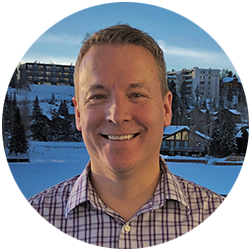
Thad Frye
Thad Frye is a Licensed Clinical Social Worker in private practice in Boulder, CO. He specializes in a somatic modality called Brainspotting. Thad is a certified Brainspotting Consultant who supervises therapists wanting to become certified in the modality. In his private practice he specializes in grief, sports performance and psychedelic integration. Thad is also the Director of Communications and Outreach for the non-profit organization the Rocky Mountain Brainspotting Institute. Thad recently finished his coursework with IPI to become a Certified Psychedelic-Assisted Therapy Provider and is utilizing what he learned from this experience and combined it with Brainspotting to give talks on "Exploration, Intention and Integration: Psychedelics and Brainspotting."
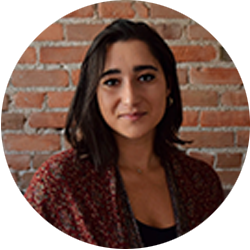
Shosh Dresdner
Shosh Dresdner, LCSW (she/her) is a bilingual (English & Spanish) Denver based, telehealth therapist. Her practice incorporates a holistic approach hinging on modalities aimed at supporting processes of mind, body, and spirit. She is trained in EMDR, Somatic Therapies, Psychedelic Assisted Psychotherapy, Past Life Regression, and places special emphasis on gut health and its implications as it pertains to overall mental health, as well as the field of psychedelics.

Sonya Som
Sonya Som, MA, LMFT, LPCC, provides psychotherapy, hypnotherapy, the therapeutic integration of psychedelics, EMDR, and Brainspotting to individuals and couples. She feels passionately about the healing effects of psychedelics and the greater collective's need for deep healing and growth.
Meghan Van Vleet, ND
Megan is a naturopathic doctor who has been practicing naturopathic medicine for over 15 years. She works with people of all ages, genders and identities. She has an open, general naturopathic practice and works with women, men and children. Dr. Van Vleet practices with an understanding that the way we live has the greatest potential to prevent disease and afford health.
She has experience treating a variety of health conditions including: anxiety, depression, digestive issues including SIBO, constipation, food sensitivities, reflux, fatigue, insomnia, post-concussive syndrome, allergies, mold toxicity, complex neurological disorders, blood sugar balances, hormonal imbalances including endometriosis, fibroids, PMS, skin conditions, autoimmune disease, women’s wellness and fertility, peri-natal and postpartum wellness. She has advanced training in mental health, cognitive decline, perinatal and postpartum anxiety and depression, as well as ADD, ADHD, spectrum disorders and children’s health.
Dr. Van Vleet received a doctorate in naturopathic medicine in 2007 from National College of Naturopathic Medicine in Portland, Oregon. She has advanced training in peri-natal mood disorders and has worked with the Postpartum Wellness Center since 2017. She has studied with the Walsh Research Institute, CCMI (Complete Concussion Management), the Medical Academy of Pediatric Special Needs, Dr. Dale Bredesen, Dr. James Greenblatt on Child and Adolescent Psychiatry, and is currently completing a functional psychiatry fellowship and an ADHD intensive.
David A. Ryan, LCSW
David Ryan is a Jungian-informed, integrative Gestalt therapist with nearly 20 years of experience in individual and group psychotherapy and over 30 years in the helping profession.
He is passionate about the integration process of psychedelic assisted psychotherapy and what this medicine can do for healing individual and collective trauma with an emphasis on the potential for spiritual evolution. David is co-founder and co-CEO of Connections First and Connections Informed Care, a psychotherapy group and training institute, respectively, in Portland, OR.
His love for learning and teaching in dynamic settings is coupled with a mission to positively contribute to the development of healthy communities.
Amy Koehlinger, MA, PhD
Amy Koehlinger is an educator with over 25 years of experience in post-secondary and graduate settings. She holds a Ph.D. in Religious Studies from Yale University, and an M.A. in U.S. History from the University of Oregon. Amy researches, writes, and teaches about historical intersections of religious experience and structures of power in the United States. She became interested in the therapeutic use of psilocybin through teaching about the neurological and pharmacological elements of religion in her classes. Amy was a member of the first graduating class of trained psilocybin facilitators under Oregon Measure 109, through Inner Trek. In the 1990s, before entering academia, Amy worked in the field of HIV/AIDS and retains a commitment to compassionate and empowered approaches to end-of-life, including the therapeutic use of psilocybin as part of hospice care.
Arah Gould, MA, LPC
Arah is a mental health therapist, with close to 20 years of experience, working with adults in private practice and drawing from mindfulness, psychodynamic, and somatic approaches. In addition to her private practice, she also has nearly a decade of experience supporting adoptive and foster parents with trauma-informed parenting strategies and resources on child development and therapeutic parenting approaches for an Oregon non-profit. Arah is a long-time student of secular Buddhism and co-teaches continuing education mindfulness and ethics courses to therapists. Arah was honored to be part of the inaugural graduating class of InnerTrek, the very first psilocybin facilitation training program in the country. She is a soon-to-be licensed psilocybin facilitator, with a passion for supporting people in doing deep healing work and recovering more joy and wonder in their lives.
Drew Snyder
Drew is a licensed psilocybin facilitator in the state of Oregon, where he specializes in psychedelic-assisted healing. He received comprehensive training in this field through the Integrative Psychiatry Institute (IPI) in collaboration with MAPS, as well as through Bodhi Academy. Drew is deeply interested in the therapeutic potential of non-ordinary states of consciousness to support healing from trauma, addiction, depression, and other forms of psychological distress.
Drawing from a foundation in existential, meaning-centered approaches, Drew supports individuals in holistic healing journeys that address not only symptoms but also deeper questions of purpose, identity, and connection.
Rebecca Ahnsdotter, CSWA
Rebecca Ahnsdotter is a trauma-informed clinical social worker with a private practice in the heart of Oregon’s Willamette Valley. Rebecca specializes in anxiety, depression, addiction, trauma, and life transitions, and works primarily with women, the LGBTQI+ community, and individuals deconstructing religious trauma. She brings a compassionate, person-centered approach to her work, incorporating EMDR, IFS, ACT, and Ketamine-assisted therapy to support her clients' healing and growth. Rebecca received psychedelic-assisted therapy training through Integrative Psychiatry Institute and is one of Oregon’s first licensed psilocybin facilitators.
Prior to working as a clinical therapist, Rebecca founded and operated Evergreen, a national non-profit organization that offers counseling to financially distressed populations. In this position, she developed counseling and educational curriculum, and trained and mentored a team of counselors who provided services to over 100,000 students in ten years. When not working with clients, Rebecca can be found exploring the beautiful Pacific Northwest with her partner and their six children.
Molly Gage, LCSW
Molly Gage is an LCSW, specializing in hospice and palliative care. She received PAT-C training in IPI's third cohort. She holds an MSW from Portland State University, BA from St. John's College, Santa Fe and graduated from South Eugene High School. She lives in rural Oregon with her family.
Noora Via LMT, CHP
Noora is a Certified Hakomi Practitioner (a mindfulness center somatic psychotherapy) and has been a Massage Therapist for 18 years specializing in Myofascial Release and Craniosacral Therapy. She has completed extensive training through the Hakomi Institute, Maui School of Therapeutic Massage, Pacific Center of Awareness and Bodywork and has studied Visionary Craniosacral work at the Milne Institute.
She runs a private practice in Eugene, Oregon where she offers Bodywork and Somatic Mindfulness Sessions. She creates safe and healing spaces for people to rest and unwind and explore their inner world. With her loving, gentle presence and refined therapeutic technique she facilitates her clients to listen deeply to their bodies inner wisdom, letting that be a guide to restoring balance and healing. For the last 20 years she has been exploring different modalities of healing and ways to support health in the whole person, body, mind, heart and spirit. This journey has taken her all over the world learning about different healing modalities. Plant medicines have been an integral part of her healing path personally and has informed her work professionally.
Jessica L. Corp, LPC
Jessica L. Corp is a relational therapist who, for the last 12 years, has been collaborating with people who experience both symptoms of mental health disorders and symptoms of drug and alcohol use disorders.
She has provided individual and group therapy in Residential Treatment Centers and Outpatient treatment. She also works with pregnant and post-partum people who identify with either current or historic problematic substance use.
She values freedom, kindness with a backbone, and play. Her practice is deeply rooted in harm reduction and the belief that people are the expert in their own life. She is drawn to modalities that allow people to tap into their deepest selves which is what led her to psychedelic work. She is trained in Brainspotting and EMDR and utilizes parts work and somatic strategies to assist people in finding safety in their own mind, body, and spirit. The goal being that through this connection they can utilize their wisdom and experience significant person-centered growth and change.
Former clients have described her as direct and affirming with a wicked sense of humor. They have noted that the therapeutic work that they have done together has increased their self-awareness and self-compassion.
She strives to be as affirming and culturally competent as she is able while also acknowledging that she is a work in progress. Because of this she invites feedback and discussion from others to help inform her practice and her own personal growth.
Josh Goldstein
Josh Goldstein is a member of the very first Oregon-licensed Psilocybin Service Facilitator graduating class ever. Growing up in Bend, Josh found a deep passion and curiosity for the natural world. With dreams of being a brain surgeon one day, he earned his bachelor’s degree in Biology from the University of Oregon. Fresh out of undergrad, Josh soon discovered his passion for teaching young people about the natural world and earned his Master’s in Teaching. After 15 years of teaching in middle and high schools, he was offered a position as a principal at a therapeutic boarding school for girls. Though the natural world still holds a place of wonder for him, he has discovered that the inner workings of the human mind and heart are the greatest mystery.
Josh has significant experience working with plant medicine over the last 30 years, from his initial experience as a young college student taking mushrooms in the woods to more recently, where he has found himself leading ceremonies for his spiritual community and individuals looking to do their own personal work. He has a great reverence for the power of this medicine to help people access their own innate healing wisdom. His long-time meditation and mindfulness practice greatly informs his work.
Josh approaches his work from a place of service. He loves inviting people into the mystery of this life and recognizes that plant medicine is one way to support this inquiry.
When not supporting his spiritual or work community, Josh can often be found out on a paddle board with his kids, in a tent by a lake, or playing chess at a coffee shop.
Molly Powers, MA, LMT
Molly is an explorer of mind, body, and soul. In 2009 she received her Master’s degree from The California Institute of Integral Studies from the department of Philosophy, Cosmology, and Consciousness. For two incredible years she traversed the realms of the mind and soul and is still integrating all of the profound teachings and experiences she collected during that time. In 2014 she began her massage therapy training at the Sedona School of Massage in Sedona, Arizona. During this time she initiated her education in learning to dwell within the body and found, and continues to find ways, to bring her wisdom teachings and soul lessons into the body for safekeeping.
Molly has been a massage therapist for nearly 10 years and is finding the process of deepening into her bodywork practice to be profoundly wrapped up in her soul’s journey toward holding space for the healing process of others. She has learned that the most effective way to unwind tension and holding in the body is to sit and wait for release as opposed to constant action and doing. Through her lens, the most profound healing happens when we sit back and allow what wants to be released to release while trusting that the being’s intelligence is guiding the journey towards wholeness.
Clancy Cavnar, PsyD
Clancy Cavnar has a PsyD from John F. Kennedy University, a master’s in counseling from San Francisco State, and a master of fine arts degree in painting from the San Francisco Art Institute.
She works as a clinical psychologist in private practice and is Associate Director of Chacruna Institute for Plant Medicine (http://chacruna.net), a website dedicated to plant medicines and psychedelic culture and science, as well as being a research associate of NEIP, a Brazilian association of researchers in psychoactive substances.
She is a graduate of the Certificate in Psychedelic-Assisted Therapy program at the California Institute of Integral Studies. She is author and co-author several peer reviewed articles, and co-editor, with Beatriz C. Labate, of eight books:
The Therapeutic Use of Ayahuasca (Springer, 2014); Prohibition, Religious Freedom, and Human Rights: Regulating Traditional Drug Use (Springer, 2014); Ayahuasca Shamanism in the Amazon and Beyond (Oxford University Press, 2014); and Peyote: History, Politics and Conservation (Praeger, 2016); The Expanding World Ayahuasca Diaspora: Appropriation, Integration and Legislation (Routledge, 2018) (in which she published a chapter based on her dissertation, “Ayahuasca’s Influence on Gay Identity”); Plant Medicines, Healing and Psychedelic Science: Cultural Perspectives (Springer 2018); and Ayahuasca, Healing and Science (Springer, 2021); also, with B. C. Labate and A. K. Gearin, The World Ayahuasca Diaspora: Reinventions and Controversies (Routledge, 2017); and with B. C. Labate and T. Rodrigues, Drug Policies and the Politics of Drugs in the Americas (Springer, 2016).
Cece Sykes, LCSW, ACSW
Cece Sykes is a consultant and senior trainer with the Internal Family Systems Institute where she specializes in trauma and addiction and educates therapists internationally on how to apply the IFS therapy model to addictive processes. Additionally, Sykes is exploring how psychotherapy affects the therapist’s personal narrative. She lectures, consults, and leads workshops on these and related topics and has a private practice in Chicago. Her recent book IFS Therapy for Addictions: Trauma-Informed, Compassion-Based Interventions for Substance Use, Eating, Gambling and More was released March, 2023.
Rosalind Watts, PhD
Dr Rosalind Watts is a clinical psychologist and the founder of ACER Integration. She has been named as one of the 50 Most Influential People in Psychedelics as well as one of the top Top 16 Women Shaping the Future of Psychedelics.
As the former clinical lead on the Psilocybin for Depression trial at Imperial College London, Dr Watts developed the ACE model of psychedelic assisted therapy ‘Accept, Connect, Embody’ and led a clinical team guiding 60 people through that process. Her qualitative research with trial participants led to the development of the Watts Connectedness Scale, a psychometric tool for measuring outcomes of psychedelic therapy.
Through all her work, Rosalind's main learning has been that safe and effective use of psychedelics requires substantial integration support. She co-founded the UK's first psychedelic integration group, and has now launched a global online integration community, ‘Accept, Connect, Embody, Restore’ (ACER) where members follow a 12 month process together. Her websites are acerintegration.com and drrosalindwatts.com.
Joe Tafur, M.D.
Joe Tafur, M.D., is a Colombian-American family physician originally from Phoenix, Arizona. After completing his family medicine training at UCLA, Dr. Tafur spent two years in academic research at the UCSD Department of Psychiatry in a lab focused on mind-body medicine. After his research fellowship, over a period of six years, he lived and worked in the Peruvian Amazon at the traditional healing center Nihue Rao Centro Espiritual. There he worked closely with master Shipibo healer Ricardo Amaringo and trained in ayahuasca curanderismo. In his book "The Fellowship of the River: A Medical Doctor's Exploration into Traditional Amazonian Plant Medicine," through a series of stories, Dr. Tafur shares his unique experience and integrative medical theories. He is currently a fellow at the University of Arizona’s Center for Integrative Medicine. To learn more about his work you can also visit drjoetafur.com.
With his multicultural community in Phoenix, Dr. Tafur co-founded the Church of the Eagle and the Condor (CEC) (learn more at churchofeagleandcondor.org). This spiritual community is dedicated to promoting the spiritual unity of all people through the practice of traditional Indigenous spirituality and sacred ceremonies. The CEC is currently pursuing legal protection for their practice of sacred Ayahuasca ceremony. Dr. Tafur is also a co-founder of Modern Spirit, a nonprofit dedicated to demonstrating the value of spiritual healing in modern healthcare. Among their projects is the Modern Spirit Epigenetics Project, an epigenetic analysis of the impact of MAPS MDMA-assisted psychotherapy. Their first results have now been submitted for publication. Learn more at modernspirit.org.
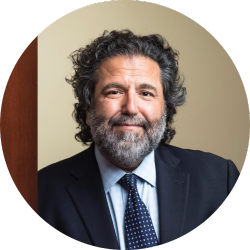
Anthony P. Bossis, Ph.D.
Anthony P. Bossis, Ph.D. is a clinical psychologist and clinical assistant professor of psychiatry at NYU Grossman School of Medicine and NYU Center for Psychedelic Medicine conducting FDA-approved clinical research with the psychedelic compound psilocybin since 2009. Dr. Bossis was director of palliative care research and co-principal investigator on the 2016 clinical trial demonstrating a significant reduction in emotional distress from a single psilocybin session in persons with cancer, specifically, a rapid decrease in depression, anxiety, hopelessness, and demoralization along with improvements in spiritual well-being and quality of life.
Dr. Bossis is study director and lead session guide on an FDA-approved clinical trial evaluating psilocybin-generated mystical experience with religious leaders. His primary psychedelic research interests include the treatment of end-of-life existential distress and the study of consciousness, meaning, and spirituality. He is a training supervisor of psychotherapy at NYU-Bellevue Hospital Center and co-founder and former co-director of the Bellevue Hospital Palliative Care Service. He is on the faculty at the Center for Psychedelic Therapies and Research / California Institute of Integral Studies and the Art of Dying Institute in NYC.
Dr. Bossis is guest editor (with Charles Grob, M.D.) on the Special Series on Psychedelics for the Journal of Humanistic Psychology and has authored numerous publications on psychedelics, mystical experience, and end-of-life existential distress. He has a long-standing interest in comparative religion and mysticism and on the interface of psychology and spirituality. He maintains a private psychotherapy and consulting practice in NYC.
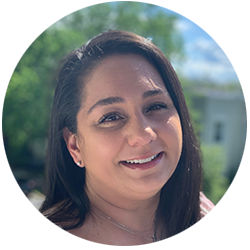
Melissa Lavasani, MPP
Melissa Lavasani is Founder and Chief Executive Officer of Washington, DC-based Psychedelic Medicine Coalition, a national association committed to advancing the science supporting psychedelic medicine, while creating and protecting access to these medicines through advocacy and education on a federal level. Melissa is also President of Psychedelic Medicine Advocacy and its Political Action Committee which is dedicated to ensuring all Americans are educated and empowered to elect lawmakers that support safe, equitable access to these life-changing treatments. Prior to that, Melissa proposed Initiative 81, the Entheogenic Plant and Fungus Policy Act of 2020, the largest ballot initiative win in Washington DC's history with 76% approval. Inspired by her own experience as a professional, working mother using psychedelic medicines to overcome severe postpartum depression when the healthcare system failed her, Melissa is one of the leading voices for policy, politics, and advocacy in the psychedelic space. She is also a Founding Board Member of the Psychedelics and Healing Initiative at the Global Wellness Institute, and on the Advisory Boards of Drugs over Dinner and Universal Ibogaine.
Melissa has a Bachelor’s degree in Economics from Macalester College, a Masters degree in Management from the University of Denver, and a Masters in Public Policy from George Mason University. Born in Washington, DC to Iranian immigrants, Melissa currently lives in Northeast DC with her husband Daniel, daughter Lola (9), son Ramsey (6), and their rescue pitbull, Gus.
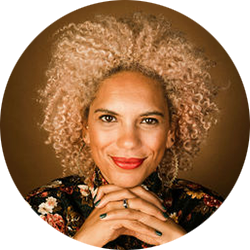
Mary Sanders, LCSW
Mary is a Licensed Clinical Social Worker whose focus is on addressing trauma in communities of color and marginalized populations. She has worked with Black, Indigenous, (BIPOC), Veterans, immigrants and refugees from Iraq and Syria, foster youth, and LGBTQIA+ community members.
Mary currently provides community mental health services for formerly unhoused Veterans for Veteran Affairs in San Francisco, CA. In addition to her role working with Veterans, she has a private practice called EMPATH Center in Oakland, CA serving Black Indigenous People of Color (BIPOC). Her vision is to implement psychedelic-assisted psychotherapy and incorporate community integration in her private practice.
Mary is a trained psychedelic-assisted therapist from CIIS and MAPS, certified in Trauma - Focused Cognitive Behavioral Therapy, and is a somatic experiencing psychotherapist in-training. Mary is a founding board member at People of Color Psychedelic Collective.
Veronika Gold, MA, LMFT
Veronika Gold is a co-founder of Polaris Insight Center, and a psychotherapist licensed in California and Oregon. Veronika is a lead trainer at Polaris Insight Center Ketamine and Psychedelic Assisted Therapy training program, and she is a sub-investigator, supervisor, and a trainer in training for MAPS MDMA-AT program. Veronika has been a psychologist and psychotherapist specializing in trauma treatment, and in addition to psychedelic assisted therapy she has been a facilitator in EMDR and Organic Intelligence trainings.
Albert Garcia-Romeu, PhD
Albert Garcia-Romeu (Roh-May-Oh), Ph.D. is an Assistant Professor of Psychiatry and Behavioral Sciences at the Johns Hopkins University School of Medicine. His research examines the effects of psychedelics in humans, with a focus on psilocybin as an aid in the treatment of addiction. His current research interests include clinical applications of psychedelics, real-world drug use patterns, diversity in science, and the role of spirituality in mental health. He is a founding member of the Johns Hopkins Center for Psychedelic and Consciousness Research and the International Society for Research on Psychedelics.
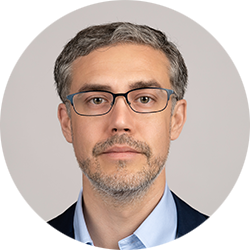
David B. Yaden, PhD
David B. Yaden, PhD, completed his doctorate at the University of Pennsylvania and is now an Assistant Professor at Johns Hopkins University School of Medicine. His research focus is on the psychology, neuroscience, and psychopharmacology of spiritual, self-transcendent, and other positively transformative experiences. Specifically, David is interested in understanding: how do brief experiences result in long-term changes to well-being? He is currently conducting studies to determine whether and how psychedelics increase well-being and treat mental disorders. He has authored over 60 peer-reviewed academic articles and 14 academic book chapters. His first authored book came out on September 1st, 2022––The Varieties of Spiritual Experiences: 21st Century Research and Perspectives––with Oxford University Press. His scientific and scholarly work has been covered by The New York Times, The Wall Street Journal, The Washington Post, New York Magazine, NPR, CNN, and BBC. Tomorrow, David will be installed as the Roland Griffiths Professor of Psychedelic Research at Johns Hopkins.
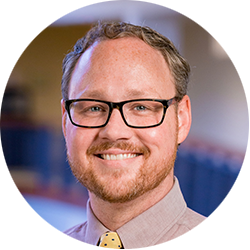
Alan K. Davis, PhD
Dr. Alan Davis is a Clinical Psychologist and the Director of the Center for Psychedelic Drug Research and Education in the College of Social Work at Ohio State University. They are an Assistant Professor of Social Work and Psychiatry at OSU and also on the faculty in the Department of Psychiatry at Johns Hopkins University. Alan has extensive clinical experience working with US Military Veterans and civilians suffering with addiction, PTSD, and depression. Their research explores alternative treatments for addiction and mental illness, including psychedelic-assisted therapies, and how to increase access to current treatment systems through reducing provider stigma about substance misuse and alternative treatment approaches. Alan has published over 70 scientific articles and book chapters and presented research at dozens of national and international scientific conferences. They also published a landmark trial in 2021 on the use of psilocybin therapy for depression in JAMA psychiatry. In 2022, they launched a pilot study of the first psilocybin trial for Veterans with PTSD.
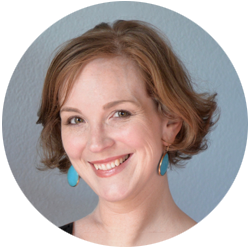
Kelley O’Donnell, MD, PhD
Dr. Kelley O’Donnell is a board-certified psychiatrist and an Assistant Professor of Psychiatry at the NYU Grossman School of Medicine, and the Director of Therapist Training at the NYU Langone Center for Psychedelic Medicine. After receiving her medical degree and a PhD in Neuroscience at UCLA, she completed a psychiatry residency on the research track at NYU, where she continued as faculty after graduation. She is a study psychiatrist and psychedelic therapist working with psilocybin, MDMA, and ketamine, and she is involved in various initiatives to advance psychedelic education among medical professionals and trainees. In addition to her work at NYU, she is on the faculty of the ketamine-assisted psychotherapy training program at the Polaris Insight Center, and she is an Assistant Trainer in the MDMA Therapist Training Program at MAPS-PBC. She also has a small private practice in New York City, specializing in integrative depth psychotherapy, ketamine-assisted psychotherapy, and psychedelic integration.
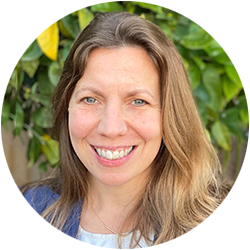
Andrea Rosati, MD, PhD
Dr. Andrea Rosati is an Assistant Professor of Psychiatry at the University of California, San Francisco. Since 2018, she has been a Study Therapist and Study Physician in the Phase 2 and 3 MAPS PBC-sponsored clinical trials of MDMA-AT for PTSD at UCSF. She is also an Associate Supervisor and Assistant Educator in the MAPS PBC’s Educational Programs.
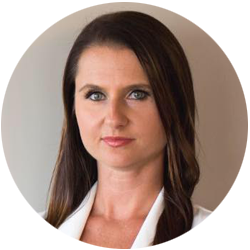
Joanna Simundic, RCSW, RCC
Joanna Simundic is the sole founder, owner and psychotherapist at Embracing Change Therapy, a private psychotherapy practice she started in 2013. She supports individuals in processing traumatic material using a variety of techniques such as: Eye Movement Desensitization Reprocessing, Mindfulness, Internal Family Systems and various somatic approaches. She is registered as a Clinical Social Worker and Clinical Counsellor in the province of British Columbia.
Joanna graduated from York University in Toronto, ON in 2006 with an Honours Undergraduate Degree in Psychology. She also completed her Masters of Social Work at Wilfrid University in Kitchener, ON in 2012. She has been in the helping profession serving various populations for the last 14 years.
Joanna is also trained as a psychedelic psychotherapist. She graduated from her training with the Multidisciplinary Association for Psychedelic Studies in 2018. She was invited into the Vancouver MAPS PBC team in early 2016 as one of the MAPS PBC Therapists for the MDMA-Assisted Psychotherapy Clinical Trial Research Study in Vancouver, BC, and has since contributed to Phase II and III in helping MDMA become a legal therapeutic medicine in Canada. She has also been supporting the MDMA Therapy Training Program as a Teaching Assistant since 2020 in helping teach new psychedelic psychotherapists in preparation for the legalization of MDMA for therapy purposes in Canada, coming in late 2023.
Chantelle Thomas, PhD
Dr. Chantelle Thomas is a clinical psychologist and Executive Clinical Director of Windrose Recovery-a multi-level residential addiction treatment program offering detoxification, intensive outpatient programming and integrated ketamine assisted psychotherapy. Dr. Thomas is also involved in clinical research trials at the University of Wisconsin School of Medicine and Public Health investigating psilocybin for addiction and depression and MDMA for PTSD. She currently serves as an associate supervisor and trainer on the MAPS PBC sponsored clinical trials of MDMA-Assisted Psychotherapy for PTSD for US and European clinical trials and the recently initiated Expanded Access Program. Dr. Thomas completed a post-doctoral fellowship in health psychology at the University of Wisconsin School of Medicine and Public Health and is a certified biofeedback practitioner.
Ido Siemion, PhD
Ido Siemion, PhD., is a MAPS PBC (Multidisciplinary Association for Psychedelic Studies) trainer, a Hakomi trainer and co-founder of the Hakomi Institute of Israel. He holds a PhD in East West Psychology and a M.A. in Somatic Psychology, both from the California Institute of Integral Studies. Ido works as a psychotherapist with adults who seek to heal their psychological wounding as well as expand their consciousness, manifest their potential and live life fully. His work draws on Jungian, Somatic and Psychodynamic psychologies and integrates knowledge based in Eastern spiritual traditions as well as Shamanic traditions. Ido was a clinical investigator in the phase II MDMA assisted psychotherapy for PTSD trials and is now also a clinical investigator in the phase III trials that examine the impact of MDMA assisted psychotherapy on severe trauma victims (PTSD).
Phil Lister, MD
Phil Lister identifies as a white cis-gender male in his seventh decade. He was raised in a financially secure upper-middle class family with an abundance of love and a moderate dose of neurotic dysfunction. He has had the good fortune of health and wonderful educational opportunities which led to a medical degree and specialty training in adult and child psychiatry, and adult and child psychoanalysis. In recent years, he has expanded his tool box via trainings in EMDR (used with children and adults), Somatic Experiencing, and AEDP for couples. He enjoys teaching and has taught in the Mount Sinai, Columbia, and Cornell medical centers in courses focused on the art of psychotherapy with children and adolescents, and in courses around death and dying.
He learned of MAPS PBC by serendipity in 2016, just in time to join the training for the Phase 3 study of MDMA-Assisted Therapy for PTSD, first as a therapist, then as a supervisor and trainer. He also trained in Ketamine Assisted Psychotherapy in 2018.
He loves birds, bicycling, and books, particularly fiction and poetry, and enjoys writing. A labor of love has resulted in the publication of a memoir called A Short Good Life (2021) chronicling his second child’s encounter with leukemia at age 4 leading to her death at age 6, very much a family love story, including reflections on the experience of providing and receiving care.
He lives in New York City with his wife (also a psychiatrist/writer) and has a private practice of psychotherapy. In addition to his roles of son, brother, partner, father, and uncle, he has recently added the noun grandpa.
Since the pandemic he has participated in and now co-leads a poetry writing workshop on Sunday mornings.
Marc B. Aixalà, MS
Marc B. Aixalà is a Telecommunication Engineer and Psychologist with Master studies in Integrative and Strategic Therapy. He has been trained in the therapeutic use of Non Ordinary States of Consciousness. Also trained in MDMA assisted-psychotherapy for PTSD by MAPS PBC and the use of psilocybin for treatment-resistant depression, Marc is now working as a therapist in a clinical trial with psilocybin in Sant Joan de Déu Hospital in Barcelona where he also mentors other psychedelic therapists. He has experience as a Team Leader and Trainer in emergency psychological assistance for people going through difficult psychedelic experiences at Boom Festival (Kosmicare 2010-2016).
Marc is a certified Holotropic Breathwork facilitator, and he works as a trainer for those who want to become certified, offering workshops and training modules.
Marc collaborates with ICEERS (International Center for Ethnobotanical Education Research and Service) by offering integration psychotherapy sessions for people in challenging situations after psychedelic experiences, developing theoretical models of intervention and training and supervising therapists. He is the author of “Psychedelic Integration: non-ordinary logics and the challenges of psychotherapy in expanded states of awareness”.
He works as a psychologist in his private practice in Barcelona and offers trainings, lectures and talks related to psychedelic psychotherapy and integration.
Mendel Kaelen, PhD
Mendel Kaelen is the founder and CEO of Wavepaths, a startup providing music both for and as psychedelic therapy. Prior to this, he worked as a PhD and postdoctoral neuroscientist at Imperial College London since 2012, where his research was the first to demonstrate music’s central role in psychedelic therapies. He is a thought leader on the therapeutic use of music and publishes and speaks frequently on this topic. He has been featured in Nature News, the San Francisco Chronicle, Vice Motherboard, Rolling Stone and TEDx. Mendel lives and works on planet Earth, and in his spare time likes to get into nature, and out of his mind with his musical instruments.
Andrew Bryant, MPH, LICSW
Andrew Bryant, MPH, LICSW is a clinical social worker, psychotherapist, and co-Director of North Seattle Therapy & Counseling, with a clinical focus on the impact of climate change and ecological crisis on mental health. He also provides Ketamine-Assisted Therapy (KAT), in collaboration with Telos Transformational Therapies, and organizes a local psychedelic integration circle for therapists and healers. Andrew is the founder of Climate & Mind, a project dedicated to gathering and promoting resources related to climate psychology for clinicians, the media, and the public. As part of this project, he provides lectures, seminars and study groups on climate mental health, and has been interviewed and featured in a number of media stories on climate psychology, including The LA Times, The Washington Post, The Guardian, The New York Times, and other media outlets. He is a member of the Alliance of Climate Therapists-Northwest (ACT-NOW), and of the Climate Psychology Alliance-North America.
Tim Spalla, MA, LPC
Licensed Professional Counselor | Founder, Agile Wellness Group | Co-Founder, The Wounded Healer Project
Tim Spalla is a Licensed Professional Counselor and doctoral student in Clinical Psychology at the University of Denver. He is the founder of Agile Wellness Group, a Denver-based private practice, and co-founder of The Wounded Healer Project, a nonprofit that provides pro bono, veteran-led mental health services to justice-involved veterans.
Before entering the mental health field, Tim spent nearly 20 years overseas, first as a U.S. Army Ranger Intelligence Specialist with multiple combat deployments to Iraq, then as a private intelligence contractor supporting U.S. Special Operations missions across the Middle East and Horn of Africa. In 2015, he partnered with the National Geographic Society as a wildlife crime investigator, working alongside African governments and conservation groups to combat international trafficking syndicates.
Following a decade-long personal battle with PTSD, addiction, and moral injury, Tim experienced a transformative healing crisis that redirected his path toward clinical work in 2019. He holds a master’s degree in Clinical Mental Health Counseling from Regis University, where he completed a yearlong internship with the Colorado Department of Corrections.
Tim specializes in trauma and moral injury recovery, with a focus on military veterans and first responders. His work integrates evidence-based clinical practices with psychospiritual approaches, including psychedelic-assisted therapies and Native American healing ceremonies. He is a 2022 Pat Tillman Scholar, recognized for his advocacy and research on innovative treatments for moral injury.
Katrina Michelle, PhD, LCSW
Katrina Michelle, PhD, LCSW earned her Ph.D. in Psychology from The Institute of Transpersonal Psychology at Sofia University and her Master’s in Social Work from Stony Brook University. For her doctoral research she conducted a heuristic study on Exploring Resistance to Spiritual Emergence. Her Master’s research focused on spiritual development within higher education.
Katrina worked as the director of harm reduction for the Multidisciplinary Association for Psychedelic Studies (MAPS PBC) at the Zendo Project and served for three years as the executive director of The American Center for the Integration of Spiritually Transformative Experiences (ACISTE). Katrina has served as graduate faculty at New York University’s Department of Applied
Psychology, Columbia University’s School of Social Work, Fordham University’s School of Social Services, and The Institute for the Development of Human Arts.
Katrina is a member of the Emergent Phenomenology Research Consortium (EPRC) and currently working with an international team on research to elucidate adverse psychedelic experiences in order to contribute to evidence-based and trauma-informed integration practices. She is also a founding member of the advisory board for The Fireside Project, a psychedelic peer-support line.
Katrina is the founder and director of The Curious Spirit, a New York-based psychotherapy and coaching practice. She is also creator and producer of When Lightning Strikes, a documentary in progress intended to demystify the awakening process and help create a cultural context for understanding mystical phenomena while normalizing the often challenging elements of this
natural human experience.
Mary Cosimano, LMSW
Mary Cosimano, LMSW, has been with the Department of Psychiatry at Johns Hopkins University School of Medicine in the Center for Psychedelic and Consciousness Research since 2000 when they began research with psilocybin. She is currently a Psychedelic Session Facilitator and has served as Director of Clinical Services and as a research coordinator. She has been involved with all the psilocybin studies and has conducted over 500 study sessions including Club Drug studies with Salvia Divinorum and Dextromethorphan. Mary has trained postdoctoral fellows, faculty, clinicians, and research assistants as guides and taught individual and group meditation to breast cancer patients in a Johns Hopkins research study. She is a teacher and mentor at California Institute to Integral Studies for their Psychedelic-Assisted Therapies and Research (CPTR) certificate program and conducts training for therapists in psychedelic-assisted psychotherapy. She recently began presenting a Death Awareness Workshop relating to psychedelic-assisted therapy. In 2003 she started a meditation group for employees in her department. She also has 15 years of experience with direct patient care as a hospice volunteer.
Michael Donisi
Michael Donisi is currently pursuing an M.A. in Clinical Mental Health Counseling at Regis University and has a profound interest in the re emerging field of Psychedelic-Assisted Psychotherapy. With over two years of experience in this domain, Michael also has delved deep into integrative medicine, LGBTQIA+ issues, clinical operations, and the transformative potential of Psychedelic-Assisted Psychotherapy. As he approaches his graduation in the Fall of 2024, Michael eagerly anticipates utilizing his knowledge and passion to revolutionize mental health care through the practice of Psychedelic-Assisted Psychotherapy.
Samantha Yanas
Samantha Yanas, Head of Product and Programs at Integrative Psychiatry Institute. She is passionate about technology, streamlined efficiencies, and proactive workflows. With over 7 year experience in customer service, people operations, and technology, Sam is passionate about making a difference.
Douglas Wingate, DTCM, FMHC, L.Ac
Douglas Wingate, DTCM, FMHC, L.Ac, is a Doctor of Chinese Medicine, licensed acupuncturist, herbalist, and certified clinician in hyperbaric oxygen therapeutics specializing in neurological, emotional, and neuro-cognitive conditions as well as acute and chronic pain having worked in private practice and OHSU hospital's neurology department. He has written four books on the topics of brain health and consciousness. He received his Doctorate from Five Branches University and Masters in Acupuncture and Oriental Medicine from the Oregon College of Oriental Medicine with post-graduate studies in clinical neuroscience from the Carrick Institute.
Lynne Shinto, ND, MPH
Lynne Shinto, ND, MPH (She, Her) is a Naturopathic Physician who is deeply involved in moving forward the integration of all types of medicine. She received her naturopathic medicine degree at Bastyr University in Kenmore, WA, and her Master of Public Health at Oregon Health & Science University in Portland, OR. She is a certified psychedelic-assisted therapy provider with an advanced certification in psilocybin-assisted therapy through the Integrative Psychiatry Institute. Lynne has been practicing naturopathic medicine in Portland, Oregon for 19 years and is passionate about creating spaces for wellness.
Melissa Landis-Padron
Melissa Landis-Padron has a Masters's Degree in Education and has been a K-12 teacher for over 20 years. Specializing in behavioral supports, mindfulness, and Sensory Integration program development. She has also been a community events coordinator for the City of Eugene creating connections and networking with community partners to host community music, dance, and art events. She also co-developed Youth Mentorship programs for houseless youth in the Eugene area. New to IPI Melissa is excited to offer her experience and support to the IPI retreat center in Eugene Oregon.
Michele Soleimani, LCSW
Michele Soleimani is a licensed clinical social worker who has been in private practice for 15 years, with a focus on treating complex PTSD. Prior to that she worked in community based mental health, HIV/AIDS education, intensive outpatient and partial hospitalization programs for close to 10 years. Originally from New York City, she took one look at a photograph of the Rocky Mountains and knew that she was destined to go west. She received her BA in Psychology from the University of Colorado at Boulder, then returned to New York and received her MSW from Fordham University. Michele graduated from the second IPI Fellowship cohort in 2022 and is thrilled to be onboard as a teaching assistant. She lives in Portland, OR with her husband, two children and several pets.
Christine Marie, Author, Energy Healer, Spiritual Teacher
Christine Marie has had the privilege of working with a diverse range of clients, helping them unearth their truth, heal deep wounds, and live more meaningful lives. She has a background in working as an RN and has transitioned into owning her own private practice as a Writer & Healing Arts Practitioner (Celtic Shamanism, Reiki, Energy Healing) and is passionate towards holding safe and sacred space for altered states medicine work. With her training and intuitive skill sets, she empowers individuals to access their Inner Wise One and Inner Creator, making her a trusted guide and ally on the path to self-discovery and transformation.
From her own personal experience and training, Christine Marie has witnessed the positive impact psychedelic medicines have on mind-body-spirit healing and connection. She heavily emphasizes the importance of being in right relationship with the plants we work with as well as encourages the acknowledgement and reverence towards the original cultures and traditions.
Christine Marie lives in Portland, OR with her partner, Josh; where she enjoys writing, traveling and connecting with Mother Earth.
Melinda Halpern
Melinda earned her Masters in Counseling from Oregon State University and a Masters in Public Administration from Lewis and Clark College. Her early work as a therapist centered on young children and adolescents, emphasizing Autism Spectrum Disorders and trauma. She has added expanded her work with adults and is a Level 2 EMDR therapist and a Level 2 PACT (Psychobiological Approach to Couples Therapy) Couples therapist.
Melinda relies heavily on intuition and connection with her clients and believes in the partnership that occurs between client and therapist. She is excited to expand her work with psychedelics as she sees the beautiful bridge between these two modalities.
Anny Ortiz
Anny Ortiz is a PhD candidate at the University of Wisconsin-Madison’s School of Human Ecology and the Clinical Therapeutic Lead at Usona Institute. Originally from Sonora, México, over the past 20 years she worked in a variety of therapeutic settings including outdoor behavioral health, long-term residential treatment, and most recently, psychedelic-assisted therapy clinics in Mexico that were using ibogaine to aid in the treatment of severe substance use disorders.
At these clinics, she introduced the use of 5-MeO-DMT derived from the Sonoran Desert toad (Incilius alvarius) as a complement to ibogaine. Doing this work was deeply meaningful, but also personally troubling given that it contributed to the exploitation of toad populations in her native Sonora due to the widespread popularity and demand that ensued. Seeing first-hand the therapeutic effects of the 5-MeO-DMT experience motivated her to pursue graduate school to research this therapeutic potential in a more rigorous way, advocate for synthetic 5-MeO-DMT use, and to connect with an interdisciplinary team of experts to explore avenues for toad conservation and protection in its endemic habitat.
Over the past few years she has been conducting a toad population study in Sonora as the first step to a conservation program for the toad species in collaboration with the Indigenous Medicine Conservation Fund and the Latin American, Caribbean and Iberic Studies program at the University of Wisconsin-Madison. In her current role at Usona, she is responsible for the development, implementation and management of facilitator activities needed to support psychedelic dosing sessions in Usona sponsored clinical trials.
Victoria Gutiérrez Arribère
Victoria brings a wealth of experience collaborating with healthcare professionals. Her involvement in the field of public health has provided her with valuable insights into mental healthcare and community well-being, strengthening her dedication to roles focused on making a meaningful impact on people's lives.
Drawing on her experience in customer service, sales, and teaching, she has cultivated a passion for creating supportive connections grounded in empathy and the art of building enduring relationships that continue to flourish over time.
As a trained sound therapist, she has worked extensively with plant medicine, gaining a genuine appreciation for responsibly incorporating ancestral healing tools and practices to meet the needs of our contemporary world.
Rodolfo I. Resendiz
She graduated from Harvard Medical School and the Massachusetts Institute of Technology and completed her residency at the University of California at San Francisco. Over the past 25 years, Dr. Gottfried has seen more than 25,000 patients. She specializes in identifying the underlying cause of her patients' conditions to achieve true and lasting health transformations, not just symptom management.
Dr. Gottfried is a global keynote speaker who practices evidence-based integrative, functional, and precision medicine.
She recently published a new book, Brain Body Diet, and has also authored three New York Times bestselling books: The Hormone Cure, The Hormone Reset Diet, and Younger.
Dr. Clark received her bachelor’s degree in chemistry from the University of Colorado in 1985 and Naturopathic Medicine Doctorate in 2002 at Bastyr University in Kenmore WA. She also had a career at the U.S. Environmental Protection Agency that spanned nearly 20 years in the Denver, Seattle and Washington, DC offices. She was frequently awarded for her exceptional performance and accomplishments while leading environmental programs and initiatives.
Her specialty in Lyme disease and associated illnesses began in 2007 after diagnosing it in a young patent that came to her after many visits to hospitals and clinics and a diagnosis of a “mystery illness”. She has been trained by the International Lyme and Associated Diseases Society (ILADS) and a 3-year mentorship with Dr. Dan Kinderlehrer, author of Recovery from Lyme Disease. The Integrative Medicine Guide to Diagnosing and Treating Tick Borne Illness. They taught a one-day seminar in Boulder, CO in 2016 for health care practitioners on how to diagnose and treat Lyme disease and tick-borne illness.
In addition to ILADS, Dr. Clark is a member of the International Society for Environmentally Acquired Illness (ISEAI), American Association of Naturopathic Physicians (AANP) and Colorado Association of Naturopathic Doctors (CoAND). In 2013 she was awarded the prestigious Physician of the Year Award by the AANP for her work spearheading the passage of landmark legislation to regulate Naturopathic Doctors in Colorado.
Rakesh Jain, MD, MPH, is a Clinical Professor at the department of Psychiatry, at the Texas Tech University School of Medicine in Midland, Texas and in private practice in Austin, Texas.
Dr. Jain attended medical school at the University of Calcutta in India. He then attended graduate school at the University of Texas School of Public Health in Houston, where he was awarded a “National Institute/Center for Disease Control Competitive Traineeship”. His research thesis focused on impact of substance abuse. He graduated from the School of Public Health in 1987 with a Masters of Public Health (MPH) degree.
He served a three-year residency in Psychiatry at the Department of Psychiatry and Behavioral Sciences at the University of Texas Medical School at Houston. He followed that by obtaining further specialty training, by undergoing a two-year fellowship in Child and Adolescent Psychiatry. In addition, Dr. Jain completed a postdoctoral fellowship in Research Psychiatry at the University of Texas Mental Sciences Institute, in Houston. He was awarded the “National Research Service Award” for the support of this postdoctoral fellowship.
Dr. Jain has been involved in well over a hundred research projects studying the effects of medications on short-term and long-term treatment of depression, anxiety, pain/mood overlap disorders, ADHD, and psychosis in adult and child/adolescent populations. He has presented at the World Psychiatric Congress held in Prague, and at the Depression and Pain Forum meetings in Costa Rica, Singapore, Hong Kong, Indonesia, Malaysia, Greece, Brazil, Portugal, United Kingdom, and Argentina. He is the author of fifty-five articles published in various journals and magazines, such as Journal of Psychiatric Research, Journal of Clinical Psychiatry, among others, and has presented over twenty five original research posters at various meetings such as the APA, ACNP, AACAP, US Psychiatric Congress, etc. He has co-authored six books that range from patient education, to cutting edge neurobiologic findings in psychiatry and mental health.
He serves on several Advisory Boards focusing on drug development and disease state education. He was also recently the Chair of the US Psychiatric Congress, held in Las Vegas, and for several years has served as a member of the Steering Committee for US Psychiatric Annual Congress. He is a recipient of “Public Citizen of the Year” award from the National Association of Social Workers, Gulf Coast Chapter, in recognition of his community and peer education, and championing of mental health issues. He was also recently awarded the “Extra Mile Award” by the school district, in recognition of the service to the children of the school district, and consultation to the teachers and counselors. At a U.S. Psychiatric Congress, held in San Diego, California, he was the recipient of “Teacher of the Year Award.”
Randy graduated from the University of Michigan with a BS in Psychology, from the U-M Medical School, completed his psychiatry residency at the University of Colorado. He graduated from the PTP program at the Denver Institute for Psychoanalysis and then completed his psychoanalytic training at the DIP. He completed a year-long fellowship in psychopharmacology at the University of Colorado and another mini-fellowship in electroconvulsive therapy at Duke. He joined the psychiatry faculty at the medical school where he directed the electroconvulsive therapy service, ran the psychiatry department’s outpatient services, and did psychopharmacology and neuropsychiatry research for 9 years. Randy has served as a peer reviewer for the Journal of Neuropsychiatry, is a Distinguished Fellow of the American Psychiatric Association, and has published more than 25 papers and book chapters. He has presented nationally on pharmacology, treatment of brain injury and spinal cord injury, the neuropsychiatry of meditation and philosophy of mind, transcranial magnetic stimulation, and developmental disabilities.
Randy spent 25 years as the chief neuropsychiatrist at ReMed/Learning Services, a residential treatment unit for brain-injured patients and Randy has been the chief psychiatric consultant at Craig Hospital for the past 30 years.
More recently he graduated from the Psychedelic-Assisted Psychotherapy Program of the Integrative Psychiatry Institute in 2022, and the Ketamine-Assisted Psychotherapy program through PRATI in 2022. He has also completed the online portion of the MAPS MDMA training.
Dr. Tusek is a board-certified family physician who also has experience as an emergency room doctor. He is a member of the Academy of Sports Medicine, the American Academy of Anti-Aging Medicine, and the Institute of Functional Medicine.
Saundra Jain, MA, PsyD, LPC, is an Adjunct Clinical Affiliate, School of Nursing, at The University of Texas at Austin, and a psychotherapist in private practice. Dr. Jain is a co-creator of the WILD 5 Wellness Program and co-author of a well received workbook written for those interested in improving their mental wellness - KickStart30: A Proven 30-Day Mental Wellness Program. She is co creator of the Psychedelics and Wellness Survey (PAWS) exploring the intersect between psychedelics and wellness. She serves as a member of the Psych Congress Steering Committee providing direction regarding educational gaps/needs for mental health practitioners, and Sana Symposium providing psychedelics education for mental health and addiction professionals.
Dr. Nicholas Brüss is a leading psychedelic therapist, researcher, advocate, and educator, who is passionate about helping people heal, grow, and live meaningful lives. He is a therapist on the ground breaking FDA Phase III clinical trial of MDMA-assisted therapy for PTSD sponsored by Multidisciplinary Association for Psychedelic Studies (MAPS) and a clinical supervisor for MAPS Public Benefit Corp. Certified in both Internal Family Systems (IFS) therapy and ketamine-assisted psychotherapy, he provides ketamine-assisted IFS therapy in private practice in California, New York and Texas. Dr. Brüss is the co-founder and lead clinical trainer at the Psychedelic Coalition for Health and is the Director of Psychedelic Medicine Advocacy for TREAT California.
Doreen Saltiel, MD JD FACC is the Medical Director of Peak Health and Wellness in Asheville, NC. Dr. Saltiel received her medical degree from New York Medical College before completing her internal medicine residency at Brooke Army Medical Center in San Antonio, Texas and subsequently a cardiology fellowship at Walter Reed Army Medical Center in Washington, DC. She received her juris doctorate from the University of Missouri-Columbia.
She practiced cardiovascular medicine for 14 years in the Army, and her Army service culminated at Fort Gordon, Georgia where she served as the Chief of Cardiology and the Southeast Regional Consultant in Cardiovascular Disease. Following 20 years as an Interventional Cardiologist, she practices Preventive/Functional Cardiology and functional medicine. Dr. Saltiel served as the Vice-President, Medical Affairs and Chief Medical Officer for Genova Diagnostics and is currently the Medical Director of Peak Health and Wellness in Asheville, NC. Dr. Saltiel has received multiple teaching awards and continues to teach and mentor physicians. Dr. Saltiel has also been chosen as a 2022 and 2023 Top Doctor and has been awarded lifetime membership into the Continental Who’s Who Registry as a Pinnacle Professional Member.
Dr. Saltiel has had extensive training in, and has written multiple white papers on, hormone health in both men and women. During 2020-2022, Dr. Saltiel served as a member of the CardioServe Research Panel of the American College of Cardiology and currently serves as a consultant for Biote Medical, LLC, Calroy Health Sciences, and the Metabolic Code.
Dr. Saltiel has coauthored multiple peer-reviewed hormone-related papers and has been a coauthor on abstracts presented at the 2021 and 2022 North American Menopause Society’s annual conference (NAMS).
Dr. Lisa Mosconi, PhD, is an Associate Professor of Neuroscience in Neurology and Radiology, and director of the Alzheimer’s Prevention Program at Weill Cornell Medicine (WCM)/NewYork-Presbyterian Hospital. The program includes the NIH-funded Women’s Brain Initiative, the award-winning Alzheimer’s Prevention Clinic, and the newly launched Alzheimer’s Prevention Clinical Trials Unit.
Dr. Mosconi holds a PhD degree in Neuroscience and Nuclear Medicine from the University of Florence, Italy. She ranks in the top 1% of scientists of the past 20 years by official metrics. Recognized by The Times as one of the 17 most influential living female scientists and honored in ELLE 100: Women That Are Changing The World, Dr. Mosconi has been portrayed as “the Mona Lisa of Neuroscience” by ELLE International.
Dr. Mosconi’s NIH-funded research is focused on the early detection and prevention of cognitive aging and Alzheimer’s disease in at-risk individuals, especially women, using brain imaging techniques such as positron emission tomography and magnetic resonance imaging. Dr. Mosconi is passionately interested in how risk of memory loss and dementia can be prevented through the combination of appropriate medical care and lifestyle modifications involving diet, physical and intellectual fitness.
She is the author of the New York Times, USA Today, Canada #1 Health & Fitness, and The Sunday Times bestselling THE MENOPAUSE BRAIN (2024); of the New York Times, USA Today, Publishers Weekly, and Der Spiegel bestselling THE XX BRAIN (2020); and of the Amazon bestselling BRAIN FOOD (2018), which have been translated into more than 15 languages each. Dr. Mosconi’s popular TED talk “How menopause affects the brain” has been viewed over 4 million times since its release.
Dr. Mosconi has published over 150 peer-reviewed papers in prestigious medical journals, including Nature Medicine, the Proceedings of the National Academy of Sciences USA, the Journal of the Medical Association and the British Medical Journal (Online); several book chapters in scientific books including Imaging the Aging Brain (Oxford University Press), Brain Imaging: Translational tools for CNS drug discovery, development and treatment (Elsevier) and the New Encyclopedia of Neuroscience (Elsevier).
Dr. Mosconi’s work has been presented at many international conferences leading to press releases involving TV and radio networks world-wide (CNN, CBS, NBC, the Today Show, the Doctors show, etc.), and major print media including Associated Press, Reuters, the New York Times, the Washington Post, Forbes, The Wall Street Journal, ELLE International, and several international outlets.

Dr. Handley is Director of the Integrative Cancer Recovery Program at the Marcus Institute of Integrative Health- Jefferson Health, and Assistant Professor in the Department of Integrative Medicine and Nutritional Sciences. He is board-certified in Internal Medicine, Medical Oncology, and Integrative Medicine. Dr. Handley has expertise in providing comprehensive, innovative assessments and treatment approaches for cancer survivors and others looking to optimize wellness and enhance the healing process.
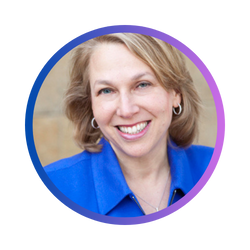
Dr. Hausman-Cohen, received both her master’s degree and medical degree from Harvard Medical School. She is board-certified in Family Medicine, a Fellow of the American Board of Integrative and Holistic Medicine, and board-certified in Integrative Medicine through the American Board of Physician Specialties.* She has been practicing Full Spectrum Family Medicine and Integrative Medicine for more than 30 years. She is also an expert in medical genomics and is the lead scientist for IntellxxDNA. Dr. Hausman-Cohen, along with the rest of our medical team, is constantly reading and going to conferences so all the providers can stay current on new advances in medicine. She also leads our bi-monthly clinical team meetings where medical mysteries and difficult cases are discussed so that we can get the best possible outcomes for our patients.
Dr. Hausman-Cohen is transitioning to only seeing patients at the private membership level, but she will continue to work closely with Dr. Sotos and the other incredible Resilient Health providers as patients transition care.
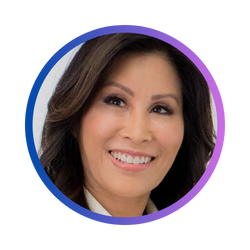
Renowned L.A. dermatologist Dr. Jessica Wu has been practicing privately—and making house calls to Hollywood movie sets—for over 20 years. She’s appeared on Good Morning America and CNN and been featured in The New York Times, People and The Wall Street Journal. A Harvard Medical School graduate who’s often credited for her expertise and artistry, she teaches at the University of Southern California and frequently lectures at national and international medical conferences. She is a member of the American Academy of Dermatology, American Society for Dermatologic Surgery, and the Medical Council of the American Society for Nutrition.

Dr. Jaclyn Smeaton, ND is a naturopathic physician focused on infertility, reproductive, and genitourinary health. Dr. Smeaton is a 2007 graduate of Bastyr University, has successfully run private practices both large and small, and has worked in many corporate environments as a team member, consultant, and advisor. For 12 years, she was VP and SVP of Medical Affairs for Emerson Ecologics, and in 2022, she took a new role as the Chief Medical Officer for Precision Analytical.
Dr. Smeaton has extensive leadership experience in integrative medicine including as President for the American Association of Naturopathic Physicians and for the New Hampshire Association of Naturopathic Doctors, as an Ambassador for the Academy of Integrative Health and Medicine, and a board member of the Integrative Health Policy Consortium. She currently serves on the Leadership Council for the Institute of Natural Medicine and was the 2022 Chair of the AANP Nominations Committee
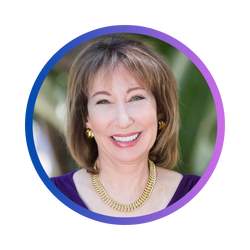
Dr. Felice Gersh is a dual board-certified physician in Obstetrics and Gynecology and Integrative Medicine, renowned for her holistic approach to women’s health. She earned her medical degree from the University of Southern California School of Medicine, graduating in the top 5% of her class, and completed her OB/GYN residency at Kaiser Hospital in Los Angeles, where she received the CREOG top resident award each year.
As the founder and director of the Integrative Medical Group of Irvine, Dr. Gersh combines conventional, naturopathic, and holistic medicine to provide comprehensive healthcare for women.
She has served as an Assistant Clinical Professor of Obstetrics and Gynecology at Keck USC School of Medicine for 12 years, earning the Outstanding Volunteer Clinical Faculty Award. Currently, she is an Affiliate Faculty Member at the Fellowship in Integrative Medicine through the University of Arizona School of Medicine.
Dr. Gersh is a prolific author, with bestsellers including “PCOS SOS,” “PCOS SOS Fertility Fast Track,” and “Menopause: 50 Things You Need to Know.” She has also published numerous scientific articles in peer-reviewed medical journals.
Her contributions to medicine have been recognized with multiple awards, including the Orange County Medical Association’s ‘Physician of the Year’ Award for 16 consecutive years and Southern California’s ‘SuperDoctor’ Award.
Dr. Gersh is a sought-after speaker, lecturing internationally on women’s health topics, and has been featured in several films and documentary series, including “The Real Skinny on Fat” with Montel Williams and “Fasting” with Valter Longo, Ph.D.
Her holistic approach emphasizes understanding women’s innate physical and emotional rhythms, particularly the role of hormones like estrogen, to maintain and restore health.

Dr. Gabrielle Lyon is an accomplished board-certified family physician and a distinguished New York Times Bestselling author, lauded for her latest work, FOREVER STRONG: A New, Science-Based Strategy for Aging Well. Her book’s exceptional success has also earned her the esteemed titles of Wall Street Journal and USA Today Bestselling author.
At the forefront of modern medicine, Dr. Lyon is leading a revolutionary movement, focusing on the body’s largest organ—skeletal muscle. Her mission is to promote longevity and combat the pervasive threats of obesity, heart disease, and diabetes by optimizing muscle health.
Dr. Lyon’s rich background encompasses a dual research and clinical fellowship in geriatrics and nutritional sciences at Washington University, complemented by her undergraduate training in nutritional sciences at the University of Illinois. As an authority in the practical application of protein types and levels for health, performance, aging, and disease prevention, she is highly sought after as an educator.
Through her thriving private practice, influential YouTube channel, captivating podcast, and her bestselling book, Dr. Lyon poses a fundamental question: How can we foster strength not only in the weight room but in our daily lives? With unwavering dedication to cultivating consistent dietary and lifestyle habits, she empowers individuals to prioritize self-care and better support their loved ones, contributing to a world of enhanced strength and well-being.
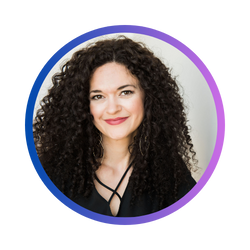
Dr. Jolene Brighten is a board certified naturopathic endocrinologist, clinical sexologist, and prominent leader in women’s medicine. A fierce patient advocate and completely dedicated to uncovering the root cause of hormonal imbalances, Dr. Brighten empowers women worldwide to take control of their health and their hormones. She is an international speaker, clinical educator, medical advisor within the tech community, and considered a leading authority on women’s health. Dr. Brighten is also part of the MindBodyGreen Collective and a faculty member for the American Academy of Anti Aging Medicine. Her work has been featured in the New York Post, Forbes, Cosmopolitan, Huffington Post, Bustle, The Guardian, and ABC News.

Dr. Emily Morse is a renowned sex therapist, author, and media personality, best known as the host of the award-winning podcast “Sex with Emily,” which has been on air since 2005.
Born on June 2, 1970, in Farmington Hills, Michigan, she earned bachelor’s degrees in psychology and political science from the University of Michigan. She furthered her education by obtaining a Doctorate in Human Sexuality from the Institute for Advanced Study of Human Sexuality in San Francisco.
Dr. Morse’s work has been featured in numerous publications, including The New York Times, Forbes, and Men’s Health. She has appeared on various television shows, such as “The Today Show” and “Conan,” and was a recurring guest co-host on the nationally syndicated “Loveline Radio Show” with Dr. Drew Pinsky.
In addition to her podcast, she co-authored the book “Hot Sex: Over 200 Things You Can Try Tonight” and developed the “Kegel Camp” app to guide users through pelvic floor exercises.
Dr. Morse is also a MasterClass instructor on sex and communication, aiming to liberate conversations about sex and pleasure.
Her contributions have made her a leading figure in sexual health and education, helping millions navigate their intimate lives with confidence and informed guidance.
Dr. Toups shifted her clinical practice and research interests into Precision Medicine/Functional Medicine after becoming ill and developing dementia at the age of 50 in 2009. She was running a successful clinical trials research center, where she was the Principal Investigator on over 100 clinical trials.
She gradually came to realize she was becoming as demented as her patients in the dementia clinical trials! She moved her clinical trials to another research center, and embarked on the study of Functional Medicine to save her own brain. Once her brain came back “online“, Dr. Toups was able to appreciate the utility of using these “root cause medicine” approaches for not only dementia, but other psychiatric and medical illnesses as well.
Dr. Toups now practices Functional Medicine Psychiatry, which seeks to discover the underlying causes of inflammation (like diet/nutrition, lifestyle, genetics including MTHF/Methylation/Sulfation/Detoxigenomic genetic polymorphisms, GI health including food allergies and dysbiosis, toxin exposure, chronic infections, and biochemical abnormalities) that can all be contributors to problems with Psychiatric symptoms and/or cognition difficulties. Detection and correction of these problems can result in the resolution of the Psychiatric symptoms, rather than just providing a band-aid by only prescribing Psychiatric medications without addressing the underlying causes of the Psychiatric problem.
Psychiatry is at a crossroads, and after more than 25 years as a Psychopharmacologist, I came to realize that our medications can help reduce some suffering, but we are not helping people to truly get well. In the artificial dichotomy that psychiatry has created to separate the brain from the body, we seem to have thrown the baby out with the bathwater.
The inflammation that affects your gut (diarrhea, bloating, constipation, acid reflux, etc.) or your thyroid (hypothyroidism, Hashimoto's) or your pancreas (diabetes, metabolic syndrome) or your joints (arthritis) can also affect your brain. Inflammation in the brain can manifest as all of the psychiatric disorders (Depression, Anxiety, ADHD, OCD, Bipolar, PTSD, Psychosis) and also the Neurodegenerative Disorders (Alzheimer's, Mild Cognitive Impairment, Multiple Sclerosis, Parkinson's, ALS, etc.).
The road to wellness then starts with the search for what is driving the inflammation, and putting out the source of that fire, rather than simply covering up one manifestation of the inflammation (like Depression or ADHD) without addressing it's root cause.
Dr. Madeleine Becker is a distinguished psychiatrist specializing in women’s mental health, perinatal mental health, and mind-body medicine. She holds professorships in both the Department of Psychiatry and Human Behavior and the Department of Integrative Medicine and Nutritional Sciences at Thomas Jefferson University.
Dr. Becker earned her medical degree from Jefferson Medical College in 2002, followed by a residency in Psychiatry at the University of Pennsylvania, completed in 2006. She also holds master’s degrees in Psychology from New York University and Yeshiva University.
Board-certified in Psychiatry, Consultation-Liaison Psychiatry, and Integrative Medicine, Dr. Becker has developed and directed several programs at Thomas Jefferson University, including the Fellowship in Integrative Medicine and the Inpatient Integrative Medicine Consultation Service.
Her clinical and scholarly work focuses on medical education, integrative psychiatric care of the medically ill, and women’s mental health. Dr. Becker has published on topics such as the biopsychosocial model in consultation-liaison psychiatry and perinatal depression.
In addition to her academic roles, Dr. Becker holds leadership positions in national organizations, including serving as Chair of the Consultation-Liaison Psychiatry Certification Test Committee for the American Board of Psychiatry and Neurology. She is also the President-Elect of the Academy of Consultation-Liaison Psychiatry.

Jessica Shepherd, MD, MBA, is an obstetrician/gynecologist, menopause expert and Chief Medical Officer of Hers. Also the founder/CEO of Sanctum Med + Wellness, a concierge wellness concept in Dallas, TX. She specializes in perimenopause, menopause and longevity.
Dr. Shepherd is a media expert and appears regularly on Good Morning America, The Today Show, CNN, MSNBC, and NBC News Daily.
As the author of Generation M and a leading voice in women's health, Dr. Shepherd empowers women to embrace longevity and well-being. Her expertise extends to media, where she regularly appears on Good Morning America and has been featured in Cosmopolitan, Vogue, and Women's Health. Driven by her passion, she continues to inspire women to thrive holistically at every stage of life.
Dr. Shepherd goes beyond the biological effects, addressing the emotional, physical, and lifestyle aspects to offer comprehensive support for women during these transformative stages.
Nikki is a Licensed Clinical Social Worker based in Milwaukee, Wisconsin. In addition to serving as a clinical facilitator in psychedelic research, she is an educator in psychedelic medicine, training clinical trial facilitators and providing education in ketamine-assisted psychotherapy. She has received specialized training through the California Institute of Integral Studies, Polaris Insight Center, Naropa University, and MAPS/Lykos. Nikki has extensive experience working with a variety of psychedelic compounds within clinical research settings and also works with ketamine in her private practice where she utilizes a relational and attachment focused approach incorporating somatic attunement and the nervous system.
Keeva Hartley, MSW, LICSW, is a licensed clinical social worker and founder of Hartley Counseling Services in Bloomington, Minnesota. With over 27 years of experience, she specializes in trauma, PTSD, child development, and coping skills. Keeva employs a trauma-informed, client-centered approach, integrating modalities such as Cognitive Behavioral Therapy (CBT), Eye Movement Desensitization and Reprocessing (EMDR), Internal Family Systems (IFS), Acceptance and Commitment Therapy (ACT), Attachment Therapy, and somatic-based techniques to support clients on their healing journeys.
Her practice offers both in-person and online sessions, accommodating individuals, families, and groups. She accepts a wide range of insurance plans, including Medicaid, Medicare, UCare, and major providers like Aetna and UnitedHealthcare. Keeva is dedicated to creating a compassionate, non-judgmental space where clients feel empowered to explore their emotions and achieve personal growth.
Dylan Rivard, MA, LPC
Dylan Rivard is a Licensed Professional Counselor with a background in wilderness and experiential psychotherapies. A Certified Hakomi Therapist, Dylan brings an understanding of somatic awareness to his clients that he uses to help them process and integrate peak experiences. Dylan owns his own private practice outside of Golden, CO where he works with folks using nature interventions and ketamine assisted psychotherapy.
Margaret provides Ketamine-Assisted Therapy and psychotherapy at Sage Integrative Health in Berkeley, CA. In 2021, she was part of the team that offered the clinic’s first Ketamine Assisted Therapy training. Her practice emphasizes trauma-informed, relational, and mindfulness-based approaches for healing.
For seven years, Margaret worked in community-based programs, helping unhoused and underserved populations manage depression, trauma, and psychosis.
Margaret is a first-generation American who grew up in Minnesota. She loves running, dancing tango, and listening to audiobooks.
Orlando Zuniga, LMFT
Orlando Zuniga is a bilingual and bicultural licensed mental health clinician practicing since 2013. Prior to 2013, Orlando was a healthcare administrator. Orlando is a firm believer that one must integrate healing by looking at a person whole. To facilitate healing and change, Orlando observes the relationship between multiple variables that include body, mind, emotions, spirit, environment, and culture. Orlando supports patients and clients by utilizing a treatment orientation suitable for each unique person, group or circumstance. Orlando works with individuals, couples, families, children and people of all ages, cultures, and sexual orientations. Orlando operates as a neutral and objective witness to each individual experience.
Before beginning his clinical experience, Orlando spent a year traveling in Latin America to personally learn and work with psychedelics. Since his initial trip to Latin America, Orlando has made multiple visits to the Amazonian Rainforest and the Central American jungle to continue his personal understanding of plant medicines and the indigenous cultures that have been the guardians of these medicines. Through out his clinical journey, Orlando has been a part of various multi-disciplinary teams for HIV/AIDS, LGBTQ, and BIPOC communities providing culturally sensitive care in both English and Spanish. Orlando has helped co-create a triage program within Kaiser Permanente’s primary care unit in San Francisco, CA. While living in San Francisco, Orlando was also working with immigration law as a forensic mental health expert for foreign national clients seeking political asylum, and other forms of protection. Orlando also worked with Kaiser Permanente's large groups in Los Angeles, CA to support Anxiety, Depression and Anger Management. Most recently Orlando has been working with Field Trip Health, a Psychedelic-Assisted Therapy clinic in Los Angeles, CA. Finally, Orlando is the founder of Transforma Therapy where he provides counseling, coaching and consulting.
Mailae Halstead, M.S, NCC
Mailae Halstead is a Nationally Certified Counselor currently based out of Tolland, Connecticut. While much of her work is spent treating PTSD and OCD using empirically supported treatments, she is passionate about practicing psychedelic-assisted psychotherapy that centers cultural humility and empowerment. Mailae is part of the Connecticut, Expanded Access site sponsored by the Multidisciplinary Association of Psychedelics Public Benefit Cooperation(MAPS PBC) using MDMA-assisted psychotherapy for the treatment of PTSD. She also regularly provides ketamine-assisted psychotherapy for the treatment of depression, PTSD, and anxiety. Mailae aspires to contribute to a future with equitable and de-stigmatized access to psychedelic healing.
Samantha Supit, MA, LMHC
Samantha Supit, MA, LMHC is a licensed mental health therapist whose passions and work revolve around plant medicines/psychedelics, the interplay of energy, and spiritual/metaphysical explorations. Her belief is that where science and spirituality meet is where we as humans can exponentially grow.
Samantha's areas of focus in private practice have included grief and loss, relationships, BIPOC support, and trauma. Completing a Somatic Soul-Based Trauma training from the Somatic Wilderness Therapy Institute strengthened her body-mind-spirit approach with clients. She enjoys blending creativity, compassion, and humor in order to explore and hold space for all parts of the human psyche.
Her past and current involvements include volunteering for the Zendo Project, supporting a local aya community for preparation and integration work, as well as supporting veterans in plant medicine preparation and integration work.
Aliss Wang, MA, AMFT
Aliss Wang, MA, AMFT, ELI-MA, is an Associate Marriage and Family Therapist and head injury integrations coach in California, with a MA in Integral Counseling Psychology from California Institute of Integral Studies (CIIS). She is in clinical practice at Bay Area Gestalt Institute and The Couples Center in San Francisco, and volunteers for Love Your Brain Foundation, UCSF-Benioff Children's Hospital, and is on the board of California Association of Marriage and Family Therapists (CAMFT), East Bay Chapter.
Born in Taiwan, Aliss immigrated to the US as a child, grew up in California, and lived in the US, Taiwan and UK during her former career in technology manufacturing and IP licensing. Prior to IPI, she served as the Adherence and Supervision Coordinator at MAPS (Multidisciplinary Association of Psychedelic Studies) Phase 3 study of MDMA-Assisted Psychotherapy for treatment-resistant PTSD facilitating the Adherence Raters program. She has supported harm reduction communities since 2012, and lectured at the Association for Transpersonal Psychotherapy Conference on an integral approach for head injury recovery, including the potential usefulness of psychedelics.
Andrew Linares MA, LPCC
Andrew Linares MA, LPCC is a LPCC with a lifetime of service, and holds a Master's Degree in Transpersonal Counseling from Naropa University. He was trained in MDMA-assisted psychotherapy through MAPS, Hakomi (mindfulness-based somatic therapy), Motivational Interviewing, Men's work, and mythology and dreamwork. He have worked clinically with diverse populations including: adolescents and adults, men/women/LGBTQ+, immigrants and refugees, military veterans, voluntary and court-mandated clients. Prior to being a therapist, he devoted his life to music, art, and creating community. He values the practices of martial arts and yoga, as these endeavors challenge and strengthen the mind-body-spirit connection. In all that he does, he seeks to be in service to Life.
George M. Slavich, PhD
Dr. Slavich is a leading expert in the conceptualization, assessment, and management of life stress, and in psychological and biological mechanisms linking stress with poor mental and physical health. He developed the first online system for assessing lifetime stress exposure; formulated the first fully integrated, multi-level theory of depression; and is helping pioneer a new field of research called human social genomics, which is revealing how social experiences reach deep inside the body to affect the human genome. His most recent research focuses on Social Safety Theory, which describes how experiences of social safety and threat influence the brain and immune system to affect human health and behavior. This translational work on the psychoneuroimmunology of stress, health, and behavior has been published in several leading journals including Nature Medicine, Nature Communications, JAMA Psychiatry, PNAS, Psychological Bulletin, Neuroscience and Biobehavioral Reviews, and the Annual Review of Clinical Psychology.
In addition to these research efforts, Dr. Slavich is deeply devoted to teaching and mentoring and to helping develop the next generation of leaders in psychiatry and psychology. In addition to having mentored more than 175 pre- and post-doctoral trainees, early in his career Dr. Slavich founded the Stanford Undergraduate Psychology Conference, Western Psychological Association Student Council, and Society of Clinical Psychology’s Section on Graduate Students and Early Career Psychologists. More recently, he has developed a new approach to classroom instruction called transformational teaching and has written numerous articles on professional development issues in science. He has received 18 awards for these contributions since 2009, including the Neal E. Miller New Investigator Award from the Academy of Behavioral Medicine Research, Herbert Weiner Early Career Award from the American Psychosomatic Society, Susan Nolen-Hoeksema Early Career Research Award from the Society for a Science of Clinical Psychology, and Raymond D. Fowler Award for Outstanding Contribution to the Professional Development of Graduate Students from the American Psychological Association.
Ben Lynch, ND
Dr. Ben Lynch is the best-selling author of Dirty Genes and President of Seeking Health, a company that helps educate both the public and health professionals on how to overcome genetic dysfunction. He received his doctorate in naturopathic medicine from Bastyr University. He lives in Seattle, WA with his wife and three sons.
Patrick Hanaway, MD
Patrick Hanaway, MD, is a board certified family physician trained at Washington University. Dr. Hanaway served on the executive committee for the American Board of Integrative Medicine and is past president of the American Board of Integrative Holistic Medicine. For the past 20 years, he has worked with his wife in clinical practice at Family to Family: Your Home for Whole Health Care in Asheville, NC.
After 10 years as chief medical officer at Genova Diagnostics, Dr. Hanaway became the chief medical education officer at The Institute for Functional Medicine (IFM), where he oversaw the development and implementation of IFM’s programs worldwide. He has taught with IFM since 2005, he leads the GI Advanced Practice Module, and he continues his support of IFM as co-chair of the Expert Advisory Board.
In 2014, Dr. Hanaway helped develop the collaboration between IFM and the Cleveland Clinic, where he was the founding medical director. He later became the research director and now serves as a research collaborator at the Cleveland Clinic Center for Functional Medicine. His research interests focus on evaluating outcomes of Functional Medicine models of care.
The focus of Dr. Hanaway’s work is to leverage his skillset to transform medical practice through education, research, and clinical care. In addition, Dr. Hanaway has been initiated as a Mara’akame [indigenous healer] by the Huichol people of the Sierra Madres in Mexico. He holds community fires, leads ceremonies, and offers traditional healing sessions.
David Perlmutter, MD
Dr. Perlmutter is a Board-Certified Neurologist and five-time New York Times bestselling author. He serves on the Board of Directors and is a Fellow of the American College of Nutrition.
Dr. Perlmutter received his M.D. degree from the University of Miami School of Medicine where he was awarded the Leonard G. Rowntree Research Award. He serves as a member of the Editorial Board for the Journal of Alzheimer’s Disease and has published extensively in peer-reviewed scientific journals including Archives of Neurology, Neurosurgery, and The Journal of Applied Nutrition. In addition, he is a frequent lecturer at symposia sponsored by institutions such as the World Bank and IMF, Columbia University, Scripps Institute, New York University, and Harvard University, and serves as an Associate Professor at the University of Miami Miller School of Medicine.
His books have been published in 32 languages and include the #1 New York Times bestseller Grain Brain, The Surprising Truth About Wheat, Carbs and Sugar, with over 1 million copies in print. Other New York Times bestsellers include Brain Maker, The Grain Brain Cookbook, The Grain Brain Whole Life Plan, and Brain Wash, co-written with Austin Perlmutter, M.D. He is the editor of The Microbiome and the Brain authored by top experts in the field and published in December 2019 by CRC Press. His latest book, Drop Acid, focuses on the pivotal role of uric acid in metabolic diseases, and will be published in February 2022.
Dr. Perlmutter has been interviewed on many nationally syndicated television programs including 20/20, Larry King Live, CNN, Fox News, Fox and Friends, The Today Show, Oprah, The Dr. Oz Show, The CBS Early Show, and CBS This Morning.
Dr. Perlmutter is also the recipient of numerous awards, including: the Linus Pauling Award for his innovative approaches to neurological disorders; the National Nutritional Foods Association Clinician of the Year Award, the Humanitarian of the Year Award from the American College of Nutrition, and most recently the 2019 Global Leadership Award from the Integrative Healthcare Symposium.
Mark Hyman, MD
Mark Hyman, MD, has devoted his life to helping others discover optimal health and address the root causes of chronic disease through the power of Functional Medicine. Dr. Hyman is an internationally recognized leader, speaker, educator, and advocate in the fields of Functional Medicine and nutrition. He is the founder and director of The UltraWellness Center, the Head of Strategy and Innovation of the Cleveland Clinic Center for Functional Medicine, a fourteen-time New York Times best-selling author, and Board President for Clinical Affairs for The Institute for Functional Medicine. He is the host of one of the leading health podcasts, The Doctor’s Farmacy. Dr. Hyman is a regular medical contributor to several television shows and networks, including CBS This Morning, Today, Good Morning America, The View, and CNN. He is also an advisor and guest co-host on The Dr. Oz Show. Through his work to change policy for the betterment of public health, Dr. Hyman has testified before the Senate Working Group on Health Care Reform on Functional Medicine. He has consulted with the surgeon general on diabetes prevention and participated in the 2009 White House Forum on Prevention and Wellness. Senator Tom Harkin of Iowa nominated Dr. Hyman for the President’s Advisory Group on Prevention, Health Promotion, and Integrative and Public Health.
Additionally, Dr. Hyman has presented at the Clinton Foundation’s Health Matters, Achieving Wellness in Every Generation conference and the Clinton Global Initiative, as well as with the World Economic Forum on global health issues, TEDMED and TEDx. He is the winner of the Linus Pauling Award and the Nantucket Project Award. Dr. Hyman received the Christian Book of the Year Award for his work on The Daniel Plan, a faith-based initiative that helped the Saddleback Church collectively lose 250,000 pounds that he created with Rick Warren, Dr. Mehmet Oz, and Dr. Daniel Amen. He was inducted into the Books for Better Life Hall of Fame. With Dr. Dean Ornish and Dr. Michael Roizen, Dr. Hyman crafted and helped introduce the Take Back Your Health Act of 2009 to the United States Senate, which promotes reimbursement for lifestyle treatment of chronic disease. With Tim Ryan in 2015, he helped introduce the ENRICH Act into Congress to fund nutrition in medical education. Dr. Hyman plays a substantial role in the major 2014 film Fed Up, produced by Laurie David and Katie Couric, which addresses childhood obesity. Please join him in celebrating the power of food as medicine at www.drhyman.com, follow him on Twitter, Facebook, and Instagram, and listen to his podcast The Doctor’s Farmacy for conversations that matter around health, wellness, food, and politics.
Crystalin Montgomery, ND, LAC
Dr. Montgomery is a MN Board Registered Naturopathic Doctor and Licensed Acupuncturist, and currently sees patients virtually for naturopathic and functional medicine care. She also sees patients for acupuncture at the University of Minnesota Physicians Psychiatry Clinics (Behavioral Health Clinic for Families and St. Louis Park Psychiatry Clinic). In addition to patient care, her work with the UMP Integrative Psychiatry and Wellness Team also includes development of clinical services, resident education, and psychoeducation for Families with Psychosis and groups in the substance use residential program.
Daniel VanDorn, PharmD
Dr. VanDorn earned his Doctor of Pharmacy degree from Temple University School of Pharmacy while concurrently optimizing novel stem-cell disease models and genetic assay technology at the Children’s Hospital of Philadelphia, work that has been published in several peer-reviewed journals. He has served in a wide range of health care settings including the Armed Forces, Clinical and Hospital Pharmacy, and medical missions in developing countries. These experiences cultivated a keen understanding of both the technological and clinical aspects of genetic testing. This serves him well as Senior Medical Science Liaison and Lead Scientist for Product Development at Genomind, where he facilitates research and development of the Genomind platform and provides counsel and education to clinicians and patients on the interpretation of genetic assay results.
Tara Scott, MD, FACOG, FAAFM, ABOIM, CNMP
Dr. Scott has been in front of an audience since she was the president of speech team in high school. This evolved in educating the community on hormone therapy, having taught doctors in five continents about an integrative approach. With over 20 years’ experience practicing OB/GYN, Dr. Scott shares a wealth of information by lecturing around the community to raise awareness about wellness and preventative health for patients.
In addition to being the Medical Director of Integrative Medicine at Summa Health in Akron, OH, she is a Clinical Associate Professor at NEOMED and lectures OB/GYN residents about all the hormonal topics. She is the Chief Medical Officer and founder of Revitalize Medical Group, a wellness practice. She is triple board certified in OB/GYN, Functional Medicine and Integrative Medicine. She is a mother of 3 college age children, enjoys running a half marathon in every state, traveling and being active outside
She has been chosen to give her TEDx talk fall 2021. For her expertise, she has been featured on The List TV, Women’s Health, Shape, The List, Newsweek, Parents, Authority Magazine, and on numerous podcasts.
Myles Spar, MD
Myles Spar, MD is a leading authority in Integrative Men’s Health as an author, teacher, researcher, TED talk speaker, contributor to Men’s Journal and the L.A. Times, expert on Dr. Oz and The Doctors TV shows and a faculty member of University of Arizona.
Dr. Spar is board-certified in Internal Medicine, having graduated from the University of Michigan Medical School. He completed fellowships in Health Services Research at UCLA (where he earned a masters in public health) and in Integrative Medicine at the University of Arizona.
Dr. Spar’s focus has always been about empowering men to achieve their goals through greater health. The men’s performance company where Dr. Spar oversees all clinical programs as Chief Medical Officer is called Vault Health. Vault brings men’s health to you, incorporating techniques to help men win at what matters to them.
Mijail Serruya, MD, PhD
Dr. Serruya is a PhD-trained neuroscientist and a board-certified neurologist. He earned his undergraduate, graduate neuroscience and medical degrees at Brown University in Providence, Rhode Island. He is a Fulbright scholar. He completed his neurology residency training and cognitive neurology fellowship at the University of Pennsylvania. Dr. Serruya is a neurotechnology entrepreneur: formerly a co-founder of Cyberkinetics, he is currently involved in Nuromo, and Neurodelphus. At Jefferson helped direct the Comprehensive Concussion Center and the Executive Brain Health Program. He currently directs the Neurorestoration Institute at Thomas Jefferson University.
Kara Fitzgerald, ND
Kara Fitzgerald, ND, received her doctor of naturopathic medicine degree from the National University of Natural Medicine in Portland, Oregon. She completed the first Counsel on Naturopathic Medicine-accredited post-doctorate position in nutritional biochemistry and laboratory science at Metametrix Clinical Laboratory (now Genova Diagnostics) under the direction of Richard Lord, PhD. Her residency was completed at Progressive Medical Center, a large, integrative medical practice in Atlanta, Georgia.
Dr. Fitzgerald is the lead author and editor of Case Studies in Integrative and Functional Medicine and is a contributing author to Laboratory Evaluations for Integrative and Functional Medicine and the Institute for Functional Medicine (IFM)’s Textbook for Functional Medicine. With the Helfgott Research Institute, Dr. Fitzgerald is actively engaged in clinical research on the DNA methylome using a diet and lifestyle intervention developed in her practice. The first publication from the study focuses on reversal of biological aging and was published 04-12-2021 in the journal Aging. A consumer book and application-based program with DNA methylation assessment are scheduled for release 01-2022.
Dr. Fitzgerald is on the faculty at IFM, is an IFM Certified Practitioner and lectures globally on functional medicine. She runs a Functional Medicine Clinic Immersion program for professionals, and maintains a podcast series, New Frontiers in Functional Medicine and an active blog on her website, www.drkarafitzgerald.com. Her clinical practice is in Sandy Hook, Connecticut.
Jeffrey Bland, PhD, FACN, FACB, CNS
Dr. Jeffrey Bland is a personable and highly respected thought leader who has spent more than five decades focused on the improvement of human health. He is known worldwide as the founder of the Functional Medicine movement, which represents his vision for a care model that is grounded in systems biology and informed by research that he has a unique ability to synthesize. His pioneering work has created the Personalized Lifestyle Medicine Institute, as well as the Institute for Functional Medicine, the global leader in Functional Medicine education. Since 1991, hundreds of thousands of healthcare practitioners have participated in PLMI and IFM programs, and this collective knowledge has positively impacted the lives of patients all over the world.
Dr. Bland began his career as a Professor of Biochemistry at the University of Puget Sound. He is a natural educator and became involved with numerous academic institutions during the years he spent teaching. This includes the significant contributions he made to the founding of Bastyr University, the first federally accredited university offering undergraduate and graduate degrees in natural medicine in the US. In the early 1980s, Dr. Bland was hand-selected by two-time Nobel Laureate Dr. Linus Pauling to serve as Director of Nutritional Research at the Linus Pauling Institute of Science and Medicine.
Dr. Bland is the author of best-selling books and over 120 peer-reviewed research publications. He speaks extensively, and his engaging style makes him popular with both professional and consumer audiences. Dr. Bland’s latest project is Big Bold Health, where he’s on a mission to transform the way people think about one of nature’s greatest innovations—the immune system. Through Big Bold Health, Dr. Bland is advocating for the power of immuno-rejuvenation to enhance immunity at a global level. It’s an ambitious and purpose-driven effort that encompasses his active stance on regenerative agriculture, environmental stewardship, and planetary health.
Casey Means, MD
Casey Means, MD is a Stanford-trained physician, Chief Medical Officer and Co-founder of metabolic health company Levels, and Associate Editor of the International Journal of Disease Reversal and Prevention. Her mission is to maximize human potential and reverse the epidemic of preventable chronic disease by empowering individuals with tech-enabled tools that can inform smart, personalized, and sustainable dietary and lifestyle choices. Dr. Means’s perspective has been recently featured in the New York Times, Men's Health, Forbes, Business Insider, Techcrunch, Entrepreneur Magazine, The Hill, Metabolism, Endocrine Today, and more. She has held past research positions at the NIH, Stanford School of Medicine, and NYU.

Carrie Jones, ND, FABNE, MPH
Carrie Jones, ND, is an internationally recognized speaker, consultant, and educator on the topic of women's health and hormones. Dr. Jones graduated from the National University of Natural Medicine in Portland, Oregon where she also completed a 2-year residency in women's health, hormones, and endocrinology. Later, she graduated from Grand Canyon University's Maser of Public Health program. Recently, Dr. Jones became board certified through the American Board of Naturopathic Endocrinology. She was adjunct faculty for many years, teaching gynecology and advanced endocrinology/fertility. While in practice, Dr. Jones served as Medical Director for 2 large integrative clinics in Portland. She is currently the Medical Director for Precision Analytical Inc.
Austin Perlmutter, MD
Austin Perlmutter, MD, is a board-certified internal medicine physician, New York Times bestselling author, educator and consultant. He received his medical degree from the University of Miami and completed his internal medicine residency at Oregon Health and Science University in Portland Oregon. His focus is on helping identify and resolve the biological basis for "stuckness" in the body and brain, especially around decision-making. He hosts the Get The STUCK OUT podcast and is a co-producer of the Alzheimer's, the Science of Prevention Docu-series. His writing is featured online on MedPage Today, Doximity, KevinMD, Medium, Psychology Today, MindBodyGreen, and DrPerlmutter.com, and his work connecting COVID-19 with immune-related depression appears in the peer-reviewed scientific literature.
Sahar Swidan, PharmD, ABAAHP, FAARFM, FACA
Dr Swidan is President and CEO of Pharmacy Solutions in Ann Arbor, MI and Adjunct Associate Professor of Clinical Research and Leadership at George Washington University School of Medicine and Health Sciences, and Adjunct Clinical Associate Professor of Pharmacy at Wayne State University.
She received her Doctor of Pharmacy degree and completed a 3-year research Fellowship in Bio-Pharmaceutics and Gastroenterology at the University of Michigan. Following her fellowship, she was Director of Pharmacy at Chelsea Community Hospital and the clinical pharmacist for the inpatient head and chronic pain service.
Dr. Swidan is board certified and an advanced fellow in anti-aging and regenerative medicine. She is an internationally renowned speaker in the areas of pain management, headaches, and HRT. She has authored several book chapters, articles, and patient education material in head and general pain management and personalized medicine.
Most recently, Dr. Swidan has contributed in authoring “Metabolic Therapies in Orthopedics, Second Edition”. This edition provides continued knowledge on how optimizing metabolic pathways can improve the success of regenerative therapies through emerging technologies, integrative approaches, clinical research, and compelling evidence from over 30 experts. Dr. Swidan provides key insight in the areas of drug-related muscular pain and sarcopenia and the effects of hormones on the musculoskeletal system.
Dr. Swidan Co-Edited and Authored a book with many thought leaders from around the globe titled Advanced Therapeutics in Pain Medicine which aids clinicians in advancing their current toolbox in the treatment of various pain syndromes.
Yael Joffe, RD, PhD, FACN
In the rapidly-evolving discipline of nutrigenomics, Yael is globally acknowledged as a leading expert in the field. She is a highly sought-after speaker, has co-authored two books, ‘It’s Not Just Your Genes’ and ‘Genes To Plate’, and has been published in multiple peer-reviewed scientific journals. Yael is at the forefront of nutrigenomic education and has helped develop and supervise nutrigenomics courses around the world, including her own Manuka courses, which have trained hundreds of healthcare practitioners globally. She is currently an Adjunct Professor, teaching Nutrigenomics at Rutgers University and MUIH. She is co-founder and Chief Science Officer of 3X4 Genetics.
Kelsey is a Master of Counseling candidate at CU Denver and started studying psychedelics in 2013 at Naropa University. She is a certified holistic health practitioner and yoga teacher. She has sat with people in non ordinary states during breathworks, cannabis journeys, and at music festivals. She spent three years working abroad with indigenous communities in Ecuador, the Marshall Islands, and Guatemala. As a Maternal and Child Health Volunteer in Peace Corps Guatemala, she worked with staff to update volunteer policies to include drug harm reduction education and expand mental health services for volunteers. Kelsey is actively involved in community awareness around psychedelics and co facilitates psychedelic women’s circles.
Monique Rees RN, MA, LPC has been in the healthcare field for over 20 years in a variety of rolls with a variety of experience, from nursing on medical surgical and psychiatric units, to working in hospice and as a psychotherapist in private practice. She as a passion for learning and helping people heal holistically. Monique is currently completing her second master’s degree to become a psychiatric mental health nurse practitioner, while concurrently working as a ketamine infusion nurse and learning integrative practices and ketamine treatment from IPI training programs. This training will provide her more tools and autonomy to treat her patients in more holistic and comprehensive ways. Monique is a mother of two wonderful children, who enjoys deep spiritual practice, and spending as much time connecting with nature as possible trail running, paddle boarding, camping, and simply being.
Shoshana Aal, PsyD is a licensed psychologist practicing individual therapy and Ketamine Assisted Psychotherapy(KAP) in the Denver metro area and the greater Colorado. Shoshana’s work has focused on a variety of matters including, trauma, relationships, grief/loss, BIPOC experiences, complex trauma, intergenerational trauma, anxiety, suicidal thoughts, cultural diversity, LGBTQ experiences and women’s experiences. Shoshana currently provides KAP in conjunction with Progressive Psychiatry with experience in both psychedelic and psychoanalytic doses. The therapy is always client centered, providing a variety of modalities that shift based on what a client is needing or experiencing. Shoshana has a Doctorate Degree in Clinical Psychology and a Master’s Degree in Clinical Psychology from The University of Denver, Graduate School of Professional Psychology. Shoshana has been trained by Phil Wolfson and Julane Andries in KAP through their Ketamine Training Center in 2019. Memberships and volunteering experiences include several psychedelic organizations such as The Nowak Society, SPORE, SPORES equity team, and The Zendo. Additionally Shoshana currently runs the KAP Colorado Consultation group.
Shoshana identifies as non-binary with a request that you not make a big deal about pronouns and instead try to see the complexity of a person beyond gender and pronouns. Or more simply put, any pronoun is fine as long as long as they are used thoughtfully.
Shane earned his Bachelor of Arts Degree in Psychology from the University of Colorado in Boulder, CO, completed extensive coursework towards a Master of Arts Degree in Sport & Performance Psychology at the University of Denver, and earned his Master of Arts Degree in Sport & Exercise Psychology from Argosy University. Shane is Nationally Certified Mental Performance Consultant (CMPC) and a Licensed Mental Health Clinician in the State of Colorado. Having worked in community non-profit mental health since 2008, Shane has gained experience working with the entire spectrum of mental disorders and with all populations and age groups. Shane is attending a Ph.D. program in Social Work at Colorado State University where his interest in the potential that psychedelics hold for healing human consciousness can be explored and further developed. Shane is actively involved in the Colorado and National psychedelics communities where he strives to provide evidence-based education, harm-reduction strategies, therapeutic integration, and healthy non-violent ways of working with individuals and communities engaged in altered states work. He is a life-long athlete having competed at various levels in more than a dozen different sports and currently competes as a Professional Athlete in the sport of Brazilian Jiu-Jitsu and Submission Grappling and teaches these martial arts in his local community. Because of his passion for warrior cultures of past and present, Shane has been ardently developing his own “Warriorship,” training in various forms of Martial Arts for 30 years. Shane feels that the self-discipline, the philosophy of non-violence, the innumerable mental and physical benefits, and the enjoyment that he gains from the Martial Arts is what helped drive his passion in the field of Psychology. His personal interest in Eastern Philosophy stems from his adoption of a Buddhist lifestyle and blends well with his training in Western Psychological Science. Shane operates a podcast called “Conversations With The Mind” in which he explores all facets of the human experiences of consciousness.
Nicole Sylvestre, MA, LPC
Nicole is an LPC, shamanic bodyworker, and plant lover. She is a therapist for the Phase 3 MDMA for PTSD study in Boulder, and also has a private practice focusing on the intersection of psychedelics, shamanism, and somatics. She is excited for the opportunity to support you all throughout this training.
 Nancy Goodman, MA, LCSW
Nancy Goodman, MA, LCSW has been in private practice since 2002. Historically, she has specialized in perinatal mood disorders and maternal mental health, working with new and growing families. In the last decade she has shifted her practice to supporting adults (and very aware adolescents!) as they recover from trauma of all sizes and origins. She believes in finding ways to allow our emotions, old beliefs and energies to move through our bodies in order to free our hearts and minds from reactive suffering. To that end, she uses EMDR, heavy on somatic processing, Ketamine-assisted psychotherapy, and Internal Family Systems, also with a somatic focus. Nancy also uses the wisdom from the Enneagram system which she has been studying (and geeking out on) since 2003.
Justin Dentry, MS, LPC
Justin Dentry has been a Licensed Professional Counselor in private practice in Denver Colorado since 2010. Justin has a bachelor’s degree in psychology from Metropolitan State College of Denver and a Master’s degree in Counseling from The University of Southern Maine. Justin’s career started out working with at-risk youth and their families in residential treatment centers, psychiatric hospitals, community mental health centers and the juvenile justice system. Justin is Hakomi certified and has been doing trauma focused somatic work with adults since 2015. Justin weaves Hakomi, Internal Family Systems, and EMDR in his work with clients with trauma and developmental trauma. Justin is a 2021 graduate of the California Institute of Integral Studies Psychedelic-Assisted Therapies and Research program. In 2021 he completed the MAPS program for MDMA-Assisted Psychotherapy for PTSD. Justin has been providing Ketamine Assisted Psychotherapy in his private practice for the past 4 years and was also a teaching assistant in the first IPI Psychedelic Assisted Therapy cohort. Justin has a nuanced view of psychedelic healing work weaving relational and somatic interventions with a reverence for trusting the collaboration between the spiritual nature of the medicine and the inner healer that is present in all of us.
Dan Ronken is a licensed professional counselor and licensed addiction counselor with over 10 years experience. As a person in long-term addiction recovery himself, Dan believes that people have the right to recover on their own terms and that there are many paths to addiction recovery. Dan’s mission is to inspire and offer hope for people suffering from addiction and for those who want to deepen their recovery. To educate and introduce individuals in the recovery community to the many paths of healing, Dan hosts a YouTube Channel on Psychedelic-Assisted Therapy and Addiction Recovery related topics, https://www.youtube.com/danronken.
Coreen Herron has been an RN for 12 years with a focus on end-of-life care. She attended the first cohort of IPI’s Psychedelic assisted therapy practitioner program and now provides ketamine psychotherapy in private practice. She is currently enrolled in IPI’s integrative psychiatry program and is working towards her Psychiatric Nurse Practitioner degree. Coreen also loves teaching hot yoga, which she has been doing for 15 years and getting outside and being active with her family.
Jessica Breemen, MSW, SWC has focused her energy on social entrepreneurship, micro-to-macro health & wellness, criminal justice and drug policy reform, full spectrum harm/risk reduction, benefit maximization, and integrative medicine-assisted care. Jessica serves as Chief Growth and Impact Officer for DanceSafe, a social justice and public health non-profit dedicated to shifting the cultural narrative around drugs, as well as promoting wellbeing for people impacted by the Drug War in music, nightlife, and related communities. Jessica completed her MSW advanced specialty field placement during her 2019-2020 school year at Wholeness Center in Fort Collins, CO practicing KAP. She is also a Fort Collins study site night attendant for the Phase 3 MDMA-assisted psychotherapy research with MAPS/MPBC. She started her journey with IPI by joining the Psychedelic-Assisted Psychotherapy Training Program team as the Course Assistant for Cohort 1 (and is an Alumni of the program). Jessica was awarded her Master of Social Work in May of 2020, has a Bachelor’s degree in Criminal Justice & Criminology, and is a certified Scrum Master. She is passionate about her new role in Cohort 2 supporting as a teaching assistant during student’s KAP experiential weekends. Jessica enjoys dancing, cooking, riding her motorcycle, and exploring.
Emily earned her Master’s degree in Contemplative Psychotherapy and Buddhist Psychology from Naropa University and holds certifications in Psychedelic-Assisted Therapy and Hakomi Mindful Somatic Therapy. Emily is also a licensed Natural Medicine Clinical Facilitator and Distinguished Educator in the state of Colorado. Her work integrates mindfulness, somatic awareness, and psychedelic therapies, grounded in the belief that every person has an innate capacity for healing and growth. In addition to her clinical practice, Emily serves as faculty with the Integrative Psychiatry Institute, where she trains mental health professionals in Ketamine and Psilocybin-Assisted Psychotherapy.
Tori (she/her) received a master's degree in Transpersonal Counseling Psychology from Naropa University, and is a Licensed Professional Counselor in both Louisiana and Colorado. She is a graduate of the first cohort of IPI’s Psychedelic-Assisted Therapy Training program. She aspires to lead psychedelic-assisted therapy retreats, to realize her passion for community healing within holistic, multidisciplinary frameworks. In her private practice, she supports clients working through relationship issues, life transitions, existential concerns, and psychedelic preparation & integration. The majority of her clientele identify as ethically non-monogamous, LGBTQ+, and/or kinky. Tori works through a lens of cultural humility, incorporating transpersonal, Gestalt, and somatic modalities. A lifelong nomad, you might not always be sure where Tori is; but when you find her, you can bet she’ll be dancing between belly laughter & deep conversation, surrounded by loved ones, and always with a good snack in hand.
Amanda (she/her/hers) holds a dual-masters degree in Clinical Social Work and Human Sexuality Education from Widener University. Originally from Philadelphia, Amanda now resides in Denver, Colorado and runs a private psychotherapy practice here. She currently works with adult individuals and relationships (monogamous & consensually non-monogamous), with specializations in sexuality, interpersonal challenges, chronic illness, and neurodiversity. Amanda has additional training as a functional medicine health coach, postpartum doula, and sexuality educator, and is currently finishing up the process to become an AASECT-Certified Sex Therapist. She has previously worked with older adolescents and adults in community mental health settings, inpatient treatment, universities, outpatient wellness centers, and telephonically with employee assistance programs (civilian & military).
Amanda brings an approach to therapy that is grounded in authenticity, compassion, vulnerability, curiosity, and the understanding that an individual’s challenges are always interconnected to the world at large- systems, identities, experiences. She is very passionate about working from a holistic, biopsychosocial, trauma-informed, and social justice perspective, and has come to really appreciate how intrinsically linked the mind, body, and spirit are. She has witnessed first-hand the power and helpfulness of psychedelic medicines and psychedelic-assisted psychotherapy and looks forward to continuing her work in the field of mental health using this modality. Amanda recently graduated from the first cohort of IPI’s PATP program and is excited to continue her relationship with IPI as a Teaching Assistant (TA). In her free time, Amanda values gardening, time spent in nature, learning, quality time with loved ones and her cats, and creative endeavors like music, art, and cooking.
Dr. Daniel Emina is a child/adolescent and adult psychiatrist who earned his medical degree from the University of California Los Angeles School of Medicine and completed his general residency in psychiatry and child/adolescent psychiatry fellowship at the University of Hawaii Department of Psychiatry. He is an Associate Medical Director of the Amen Clinics, a nationwide network of pioneering brain health clinics, founded by Dr. Daniel Amen. His leadership role entails development of best practices, treatment strategies, quality control, mentorship, technology implementation, and outreach. He is the co-author of The Suicide Solution (Salem Books), which offers a unique holistic approach to treatment of suicidality through scientifically and theologically informed strategies. He serves his patients in an outpatient clinic setting using psychotherapy, pharmacotherapy, pharmacogenomics, functional imaging, TMS, and alternative/integrative therapies to optimize brain health and function. He enjoys working with children and adults, and is well-versed in individual, family, couples, and group psychotherapy. He’s experienced in treatment of anxiety, depression, suicidal ideation, mood disorders, addiction, ADD/ADHD, impulsive/disruptive behavior disorders, autism spectrum, psychotic disorders, OCD, PTSD, and TBI. He approaches treatment with a foundational belief that each person is born with a purpose and sees brain health as a vital part of achieving this purpose. He helps each individual discover their unique formula for health and works collaboratively with them to create a comprehensive treatment plan that helps them achieve their goals. He also firmly believes that “Treatment is not just fixing what is broken; it is nurturing what is best” (Seligman). He is particularly interested in the integration of technology and health care, particularly machine learning/AI in creating decision-support tools for clinicians to better treat their patients. Dr. Emina is a board member of the Center for Child and Family Development and a council member of the One Hit Away Advisory Council. He’s also a board member and treasurer for the Extended Arms Initiative in Los Angeles. Dr. Emina is married to Emily and has a 2 ½-year-old daughter named Abigail.
Delaney Ruston is a filmmaker, Stanford-trained physician, and international speaker who makes documentaries to foster social change. She is the creator of the award-winning films, Screenagers, about solutions for healthy screen time, and Screenagers NEXT CHAPTER, about improving the emotional wellbeing of today’s youth. Thus far 4 and a half million kids and adults have gathered for screenings in 85 countries.
As a known expert on this topic, Delaney is invited to speak at Google, The Aspen Institute, conferences, schools, and others, and her views are often in the press, such as Good Morning America, NPR, New York Times and many others. Examples of other films include Unlisted: A Story of Schizophrenia, about her father and Hidden Pictures about global mental health.
Ruston has partnered with groups such as the World Health Organization in creating advocacy campaigns and has won several awards for her efforts. A Fulbright Scholar and former researcher in Bioethics and Communication, Dr. Ruston has been faculty at the University of Washington School of Medicine in Seattle and at Stony Brook School of Medicine in New York. Along with filmmaking Delaney currently provides medical care to the underserved and homeless, which she has done for over a decade.
Kelly McGonigal is a health psychologist and lecturer at Stanford University who specializes in understanding the mind-body connection. As a pioneer in the field of "science-help," her mission is to translate insights from psychology and neuroscience into practical strategies that support personal well-being and strengthen communities.
She is the best-selling author of The Willpower Instinct and The Upside of Stress. You might also know her from her TED talk, "How to Make Stress Your Friend," which is one of the most viewed TED talks of all time, with over 20 million views.
Through the Stanford Center for Compassion and Altruism, she helped create Stanford Compassion Cultivation Training, a program now taught around the world that helps individuals strengthen their empathy, compassion, and self-compassion.
In January 2020, Oprah Magazine honored her ability to “transform scientific data into wisdom” by naming McGonigal the first ever O! Visionary, people whose groundbreaking way of seeing the world mean a better future for us all.
Her new book, The Joy of Movement, explores why physical exercise is a powerful antidote to the modern epidemics of depression, anxiety, and loneliness.
Matt Erb is a physiotherapist, originally trained at the University of Iowa, and currently based out of Tucson, Arizona. He serves as an Associate Clinical Director for The Center for Mind-Body Medicine, Washington D.C. He has a clinical physiotherapy practice with Simons Physical Therapy, Tucson AZ, that focuses on mind-body integrated care. Matt is also Founder of Embody Your Mind, specializing in high quality writing, teaching, and consulting in integrative and mind-body medicine topics. Matt is also an instructor for Andrew Weil Center for Integrative Medicine, and regularly teaches for the University of Arizona physician (psychiatry and family medicine) training programs. He is motivated to find and promote better ways of delivering whole-person healthcare and is working internationally to advance the role of integrative physiotherapy in mental health care.
Frederick Barrett is a cognitive neuroscientist with training in behavioral pharmacology, and the Associate Director of the Johns Hopkins Center for Psychedelic and Consciousness Research. Dr. Barrett has been conducting psychedelic research at Johns Hopkins University since 2013, and his research in healthy participants and in patients with mood and substance use disorders focuses on the psychological and neurological mechanisms underlying the enduring therapeutic and other effects of psychedelic drugs. In 2017, he received an NIH “R03” grant as Principal Investigator to investigate biological mechanisms of psilocybin effects, the first federally funded research since the 1970s administering a classic psychedelic to people with psychedelic effects as the primary focus. He has developed measures of subjective effects of psychedelic drugs, and has also published first-in-human studies characterizing the acute and enduring effects of psilocybin on the brain. He is currently leading clinical trials to investigate the use of psilocybin to treat patients with major depressive disorder and co-occurring alcohol use disorder, and he is leading a number of ongoing studies aimed at better understanding the psychological, biological, and neural mechanisms underlying therapeutic efficacy of psychedelic drugs.
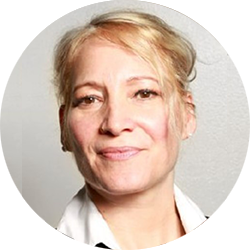
Arwen Podesta, MD is a board certified adult psychiatrist with sub-specializations in addiction medicine, forensic psychiatry, and integrative & holistic medicine. She has a background in biochemistry, complementary medicine and massage therapy. She was excited to successfully merge her intellectual and vocational interests by becoming a medical doctor. She graduated from University of Southern California, Keck School of Medicine, and then moved to New Orleans for a psychiatry residency at Louisiana State University. She then pursued a fellowship in Forensic Psychiatry at Tulane University.
After Hurricane Katrina, Dr. Podesta was involved with psychiatric care for the most needy and disenfranchised. She was awarded the Gambit’s 40 Under 40 in 2009. She has been actively working in the public sector as Medical Director of ACER and also consults with Orleans Criminal Court Intervention (Drug Court), and Municipal Court Diversion Services. She was also chair and co-creator of the New Orleans Forensic Mental Health Coalition, which is now run by the New Orleans City Health Department. Additionally, she is a consulting Addiction Medicine specialist and holds privileges at Easy Jefferson Hospital. At all of these venues and programs, her main focus is access to holistic mental health and addiction treatment, and rational prescribing practices.
Dr. Podesta continues to teach and pursue academics, is Tulane Clinical Faculty, is on a dissertation committee at UTH Dallas, teaches at the NOPD Academy, and consults with several other organizations and institutions. She was also nominated President of the Louisiana chapter of the American Society of Addiction Medicine in 2017. She is a well renowned speaker, and travels to teach and speak on the subjects of Addiction Medicine and Integrative Psychiatry.
After opening Podesta Psychiatry LLC in 2012, Dr. Podesta has been voted into New Orleans Magazine Top Doctors every year. The team at Podesta Psychiatry includes some of the best treatment providers in the Gulf Coast. Podesta Psychiatry has grown toward the multi-disciplinary collaborative model that embodies Dr. Podesta’s wellness model for whole health.
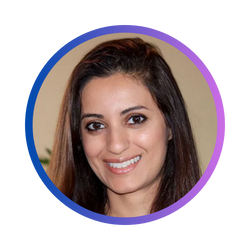
Nishi Bhopal, MD is board certified in Psychiatry, Sleep Medicine, and Integrative Holistic Medicine. She is the founder and medical director of Pacific Integrative Psychiatry, an online practice in California where patients receive a whole-person approach to anxiety, depression, and sleep disorders, including nutrition, mindset coaching, psychotherapy, yoga and meditation, and integrative and functional medicine.
In addition to her private practice, Dr. Bhopal is the founder of IntraBalance, an educational platform that includes a YouTube channel for physicians and therapists where she teaches evidence-based, integrative tools to optimize sleep and mental health, along with online courses on sleep for both patients and healthcare practitioners. Her passion is making mental wellness and the science of sleep easy to understand and accessible to all.
Saundra Jain, MA, PsyD, LPC, is an Adjunct Clinical Affiliate, School of Nursing, at The University of Texas at Austin, and a psychotherapist in private practice. Dr. Jain is a co-creator of the WILD 5 Wellness Program and co-author of a well received workbook written for those interested in improving their mental wellness - KickStart30: A Proven 30-Day Mental Wellness Program. She is co creator of the Psychedelics and Wellness Survey (PAWS) exploring the intersect between psychedelics and wellness. She serves as a member of the Psych Congress Steering Committee providing direction regarding educational gaps/needs for mental health practitioners, and Sana Symposium providing psychedelics education for mental health and addiction professionals.
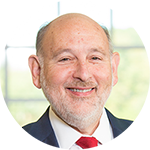
James M. Greenblatt, MD, is a pioneer in the field of integrative medicine, has treated patients since 1988. After receiving his medical degree and completing his psychiatry residency at George Washington University, Dr. Greenblatt completed a fellowship in child and adolescent psychiatry at Johns Hopkins Medical School. Dr. Greenblatt currently serves as the Chief Medical Officer at Walden Behavioral Care in Waltham, MA and serves as an Assistant Clinical Professor of Psychiatry at Tufts University School of Medicine and Dartmouth College Geisel School of Medicine.
An acknowledged integrative medicine expert, educator, and author, Dr. Greenblatt has lectured internationally on the scientific evidence for nutritional interventions in psychiatry and mental illness. Through three decades of practice and research, Dr. Greenblatt is a leading contributor to helping physicians and patients understand the role of personalized medicine for mental illness.
In April of 2017, Dr. Greenblatt was inducted into the Orthomolecular Medicine Hall of Fame by the International Society of Orthomolecular Medicine.
He is author of 7 books, including Finally Focused, Nutritional Lithium: A Cinderella Story, Answers to Anorexia, Integrative Medicine for Alzheimer’s, Integrative Medicine for Binge Eating, and Integrative Medicine for Depression, and co-editor with Kelly Brogan, MD of the textbook Integrative Therapies for Depression.
Dr. Greenblatt will release his new book this summer, Integrative Medicine for the Prevention of Suicide.
Dr. Greenblatt is the founder of Psychiatry Redefined, an educational platform dedicated to the transformation of psychiatry. Psychiatry Redefined offers online CME-approved courses, webinars, and fellowships for professionals to learn about functional and integrative medicine for mental illness. Please visit www.PsychiatryRedefined.org or www.JamesGreenblattMD.com for more information.
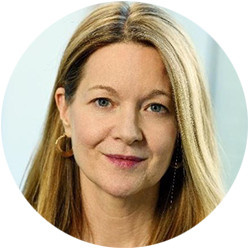
Dr. Bethell is a Professor at Johns Hopkins University in the Bloomberg School of Public Health, where she advances an integrated Science of Thriving. She promotes a positive construct of health and health care focused on cultivating safe and nurturing relationships, flourishing, positive childhood experiences and child, family and community resilience. With roots in systems change, financing reform and social epidemiology, she is the founding director (1996) of the national Child and Adolescent Health Measurement Initiative (CAHMI), has led the design, validation and widespread use of numerous family centered metrics and leads the National Data Resource Center for Child and Adolescent Health (www.childhealthdata.org). Her Cycle of Engagement (COE) model and evidence-based Well Visit Planner technology engages families, care teams and communities as partners in promoting early childhood development. She led the creation of the Prioritizing Possibilities national agenda to prevent and mitigate impacts of childhood trauma and has been pivotal in shifting the national and international dialogue from trauma and toxic stress to the promotion of relational health. Christina earned an MBA an MPH from the University of California, Berkeley and PhD in public policy from the University of Chicago. She teaches courses on mitigating adversity and promoting child well-being, Mindfulness Based Stress Reduction and other healing and systems change methods. She is an avid student of human potential for flourishing amid adversity. She writes poetry, dances and believes that attuned connection with ourselves, life and others is the source of our creativity and joy.
Torsten Passie MD, MA is a professor of psychiatry and psychotherapy at Hannover Medical School and visiting scientist at the Goethe University Franfurt/Main (Germany). He studied philosophy, sociology (M.A.) at Leibniz-University Hannover and medicine at Hannover Medical School. His medical dissertation was on existential psychiatry. He worked at the Psychiatric University Clinic in Zürich (Switzerland) and with Professor Hanscarl Leuner (Göttingen), the leading European authority on hallucinogens. At Hannover Mefdical School he directed the Laboratory for Neurocognition and Consciousness and did extensive research on altered states of consciousness and their healing potential, including research with hallucinogenic drugs (cannabis, ketamin, nitrous oxide, LSD, MDMA, psilocybin). He is a recognized expert on the pharmacology and therapeutic use of psychedelics. His publications appeared in Journal of Psychopharmacology, Neuropsychobiology, Addiction, CNS Neuroscience and Therapeutics and others. Some of his books are The Pharmacology of LSD (2010), Healing with Entactogens (2012), The Science of Microdosing Psychedelics (2019) and The history of MDMA (2021).
Dr. Sara Lewis is Co-founder of Memoru Center for Visionary Healing Arts, and formerly Associate Professor and Director of Training and Research at Naropa University's Center for Psychedelic Studies. Her book Spacious Minds: Trauma and Resilience in Tibetan Buddhism (Cornell Univ. Press, 2019) investigates how Buddhist concepts of mind shape traumatic memory and pathways to resilience. Sara has also published research on ayahuasca and spiritual emergencies. She is a Lykos Therapeutics Associate Consultant and provides ketamine-assisted psychotherapy in Boulder, CO.
Jeanine Souren is a psychologist and sexologist with a focus on couples and family therapy. Her career is dedicated to helping repair, heal, and strengthen relational brokenness and sexual challenges for couples and individuals. She believes that relationships are at the heart of human emotions, whether it's the relationship with oneself or with others. Guided by the belief that self-knowledge is the beginning of all wisdom, she focuses on connecting and listening to this inner guide.
Jeanine is also an IPI trained psychotherapist in psychedelic assisted psychotherapy and serves as an educator and lecturer to a global audience of mental health professionals.
In 2022, Jeanine co-founded the Experiential Training Institute (ETI) alongside Hans, a psychiatrist. The institute is dedicated to training mental health professionals in the responsible use of psychoactive compounds, including the legal use of psilocybin-containing truffles in the Netherlands.
ETI offers multi-day retreats where professionals gain first-hand experience with psilocybin truffles, deepening their understanding and paving the way for future treatments and applications in the field. Additionally, the institute provides small group retreats for individuals who, after screening, seek to enhance their personal growth and development.
Experience & Qualifications
● Psychotherapist (BIG registered)
● Psychologist
● Couples & Family Therapist (NVRG registered)
● Sexologist (NVVS registered)
● Psychedelic Assisted Psychotherapist (IPI accredited)
● Lecturer PAPT (Integrative Psychiatry Institute and Experiential Training Institute)
Gloria Herrera Prats is an economist and a psychotherapist. As the latter, she has training in Gestalt Therapy, group therapy, psycho-corporal therapy and is a specialist in addictions.
For more than 20 years, she has been engaged in psychotherapy and has taught Gestalt Therapy for over 15 years. In fact, over the last 5 years, she has been teaching a specialty she created, along with a colleague, on the addictive experience from Gestalt´s perspective. In the process of creating and teaching such a program, she discovered psychedelic assisted therapy, triggering her interest, openness and willingness to learn more about psychedelic assisted therapy and its potential to help, especially in difficult processes, such as depression, anxiety, PTSD, eating disorders… which are often related to substance abuse.
At the same time, along her therapeutic practice, she found more and more frequently the need to accompany people in integration of experiences´ processes with different psychedelics.
In 2020 she attended a one-year seminar for therapists on Therapeutic Integration of Experiences with Psychedelics.
Yaqui A. Martínez-Robles is a psychologist with Masters, PhD and PsyD in Psychotherapy. Training in Gestalt Therapy; Group Therapy, Music Therapy; Narrative and postmodern therapy. Certification in Transpersonal Psychology and Holotropic Breathwork (Grof Transpersonal Training); and as Psychedelic-Assisted Therapy Provider (Integrative Psychiatry Institute). He is the author of four books, and co-author of another two, focused on the existential perspective of psychology and therapy. He has participation with chapters in several books and articles in several journals. Yaqui founded the Circle of Studies in Existential Therapy, in Mexico City, in 2002; where a master’s degree in existential-phenomenological therapy and analysis is offered. He teaches and trains existential-phenomenological psychology and therapy in Mexico and different countries. He is Honorary President of the Latin American Association of Existential Psychotherapy (ALPE). He works in private practice as a Gestalt therapist and existential-phenomenological therapist in modalities one-on-one, couples and groups.

Mariel Buqué, PhD is a Columbia University-trained licensed psychologist, holistic mental health expert, and sound bath meditation healer. Her work centers on helping people heal their whole selves through holistic mental wellness practices and on healing wounds of intergenerational trauma. She is also focused on delivering healing and anti-racism lessons and workshops, as she believes in the liberation of minds and of oppressive systems as necessary qualities of overall wellness.
Gregory Wells, PhD (he/him/queer) is a licensed psychologist based in San Francisco. He is a clinician and researcher in the field of psychedelic medicine and a supporter of cognitive liberty and decriminalization. He obtained his doctorate degree from UT-Austin and also holds a post-doctoral degree in clinical psychopharmacology. He currently works as a principal investigator and therapist on the MAPS-sponsored Phase 3 clinical trial of MDMA-assisted therapy to treat PTSD. He was one of the founding members of Polaris Insight Center, a cutting-edge ketamine-assisted psychotherapy clinic in San Francisco where he served as CEO and CFO until his departure in 2021. Gregory has a long-standing interest in and deep respect for plant medicines, entheogens, and indigenous wisdom and healing practices. He is eternally grateful for the lineage of elders, ancestors, healers, and teachers who came before him, who taught him, and who make this work possible.
Gabby Agin-Liebes, PhD is a clinical psychologist and psychotherapy researcher. She has 10 years of experience working as a therapist and investigator on academic clinical trials with psychedelic therapy at New York University, Yale and UC San Francisco (UCSF). Her research has applied quantitative and qualitative methodologies to study the effects of mindfulness and psychedelics (e.g., psilocybin, mescaline) in the treatment of addiction, existential distress associated with serious illness, and PTSD. Her 2020 study, which found that psilocybin-assisted therapy was associated with improvements 4.5 years after treatment, garnered media attention in several global news outlets. She is currently a National Institute of Drug Abuse-funded research fellow at UCSF studying novel interventions for treating opioid addiction and chronic pain that target dysregulated emotion regulation and approach-avoidance processes. She is passionate about the equitable and ethical use of psychedelic medicines and in disseminating education about their benefits and risks. She is a founding member of the Equity in Psychedelic Therapy Initiative and holds a certificate in Intersectionality & Equity in Therapeutic Practices from the California Institute of Integral Studies. Gabby is also pursuing training to become a Mindful Self-Compassion teacher.
Chris Stauffer, MD is dual board-certified in Psychiatry and Addiction Medicine and is Assistant Professor of Psychiatry at the Oregon Health & Science University (OHSU) and Physician Scientist at the Portland VA Medical Center. They have been a Therapist and Study Physician for MAPS-sponsored clinical trials of MDMA-assisted psychotherapy for PTSD and psilocybin-assisted group therapy for demoralization in long-term AIDS survivors. They are Co-PI of the Somatic Center Portland Expanded Access site for MDMA-assisted psychotherapy for PTSD. Dr. Stauffer has a particular interest in exploring psychedelic medicines in combination with group therapy and in ensuring accessibility for marginalized communities.
Dr. Beatriz Caiuby Labate (Bia Labate) is a queer Brazilian anthropologist based in San Francisco. She has a Ph.D. in social anthropology from the State University of Campinas (UNICAMP), Brazil. Her main areas of interest are the study of plant medicines, drug policy, shamanism, ritual, religion and social justice. She is Executive Director of the Chacruna Institute for Psychedelic Plant Medicines (http://chacruna.net, https://chacruna-la.org). She is Public Education and Culture Specialist at the Multidisciplinary Association for Psychedelic Studies (MAPS), and Adjunct Faculty at the East-West Psychology Program at the California Institute of Integral Studies (CIIS). She is also co-founder of the Interdisciplinary Group for Psychoactive Studies (NEIP) in Brazil. She is author, co-author, and co-editor of twenty-two books, two special-edition journals, and several peer-reviewed articles.
Brooke Balliett, LMFT, is a licensed marriage and family therapist in Los Angeles, CA. Brooke has a passion for treating psychological, spiritual, emotional and relationship challenges through the development of self-awareness, emotional intelligence and recognition of the healing power we each inherently hold inside of us. From a framework integrating trauma work, developmental and transpersonal psychology, Brooke provides a range of psychedelic-assisted psychotherapies including: MDMA-assisted psychotherapy for the treatment of PTSD in clinical trials as a therapist supervisor and training assistant; Psilocybin Therapy for Treatment Resistant Depression in clinical trials as a therapist; and Ketamine-Assisted Psychotherapy as a therapist and clinical director. After over a decade of clinical service provision and program development in publicly funded community mental health centers across central Los Angeles, she co-founded the California Center for Psychedelic Therapy in 2019 as her offering to those seeking health within a limited system of accessible, effective care and as a commitment to furthering access to cutting-edge psychedelic treatments to heal individuals and the communities surrounding them.
Terence Ching, PhD, is a postdoctoral associate at the Yale OCD Research Clinic. Terence received his PhD and Master’s in clinical psychology from the University of Connecticut. Prior to moving to the United States, Terence received his Bachelor’s and Master’s degrees in psychology at the National University of Singapore. Terence has clinical and research interests at the intersections of OCD and clinical anxiety, trauma and PTSD, cultural diversity, and psychedelic-assisted psychotherapy for difficult-to-treat mental disorders. Terence has also received training in MDMA-assisted psychotherapy for PTSD by the Multidisciplinary Association for Psychedelic Sciences. Terence is invested in queering and diversifying psychedelic research and clinical programs. He is also dedicated to improving access to these spaces for BIPOC, LGBTQ, and other marginalized groups, to empower them to collectively heal from cultural traumas and discrimination-related stress accrued from living in a racist and heteronormative world.
Robin Carhart-Harris moved to Imperial College London in 2008 after obtaining a PhD in Psychopharmacology from the University of Bristol, focused on the serotonin system, and an MA in Psychoanalysis from Brunel University, 2005. Robin has designed human brain imaging studies with LSD, psilocybin, MDMA and DMT, a clinical trial of psilocybin for treatment-resistant depression, a double-blind randomized controlled trial comparing psilocybin with the SSRI, escitalopram, for depression, published in the New England Journal of Medicine, and a multimodal imaging study in first time users of psilocybin. Robin has published over 100 scientific papers. He founded the Centre for Psychedelic Research at Imperial College London in April 2019, the first of its kind. In 2021, he was listed in TIME magazine’s ‘100 Next’, a list of 100 rising stars shaping the future. Also in 2021, he moved to University of California, San Francisco, becoming the Ralph Metzner Distinguished Professor in Neurology and Psychiatry. At UCSF, Robin will serve as Director of the new Psychedelics Division within the translational neuroscience Centre, Neuroscape.
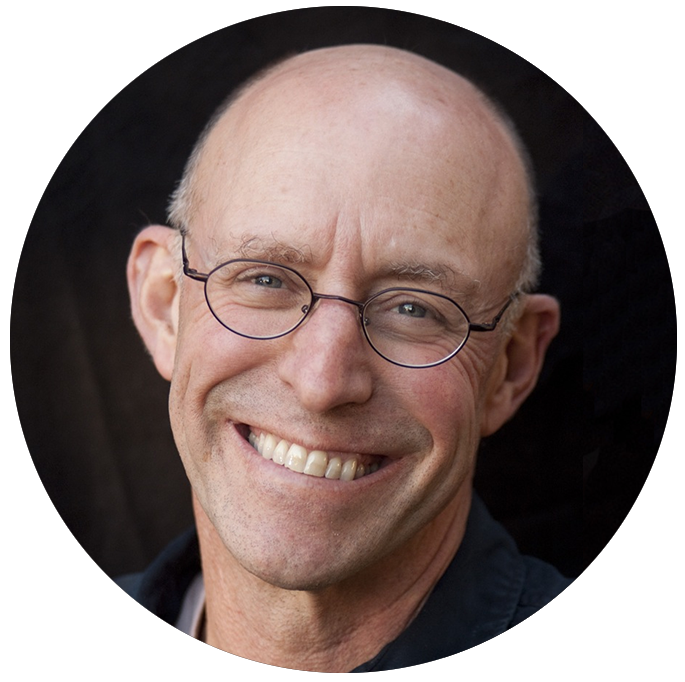
For more than thirty years, Michael Pollan has been writing books and articles about the places where the human and natural worlds intersect: on our plates, in our farms and gardens, and in our minds. Pollan is the author of eight books, six of which have been New York Times bestsellers; three of them (including his latest, How to Change Your Mind) were immediate #1 New York Times bestsellers. Previous books include Cooked (2013), Food Rules (2009), In Defense of Food: An Eater’s Manifesto (2008) and The Omnivore’s Dilemma: A Natural History of Four Meals (2006), which was named one of the ten best books of 2006 by both the New York Times and the Washington Post. It also won the California Book Award, the Northern California Book Award, the James Beard Award for best food writing, and was a finalist for the National Book Critics Circle Award. A revised, young readers’ edition of Omnivore’s Dilemma was published in 2015. Pollan’s 2001 book, The Botany of Desire: A Plant’s-Eye View of the World, also a New York Times bestseller was recognized as a best book of the year by the American Booksellers Association and Amazon.com. Pollan is also the author of A Place of My Own (1997) and Second Nature (1991). An expanded edition of Food Rules, with original illustrations by Maira Kalman, was published in 2011. How to Change Your Mind was named one of the New York Times’ 10 Best Books of 2018. In 2020 he published a new audio book titled Caffeine, available from Audible. In 2021, he will publish a book titled This is Your Mind on Plants.
A four-hour Netflix miniseries based on Cooked premiered in February 2016. PBS presented a two-hour special documentary based on The Botany of Desire in fall 2009 and a two-hour documentary based on In Defense of Food was broadcast nationally in December 2015 and was nominated for an Emmy. Pollan also appeared in the Oscar-nominated 2008 documentary Food Inc., which was partly based on The Omnivore’s Dilemma. He is currently working on a four-part Netflix series based on How To Change Your Mind as well as a sequel to Food Inc.
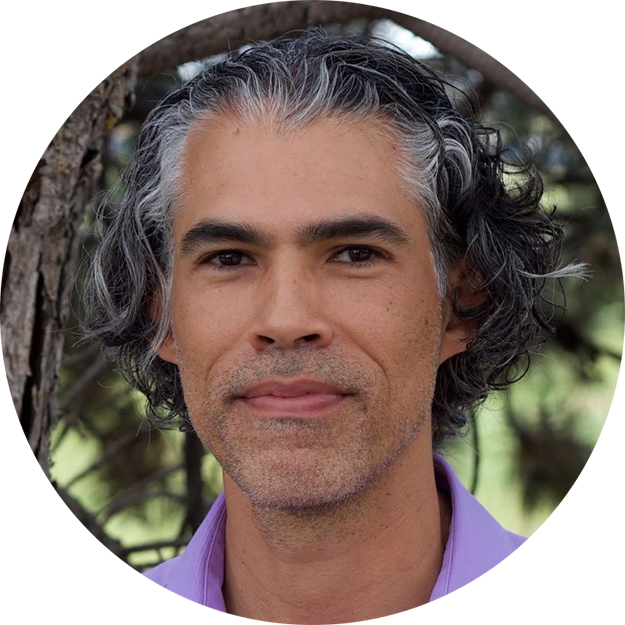
Jaime received his Master of Arts in Counseling from Regis University and is a Licensed Professional Counselor in the state of Colorado. Originally Born in Puerto Rico, and raised in a military family, Jaime has spent time in Europe, Central America, and many states in the US. He brings a unique blend of interpersonal, analytic and technical skills to his healing work and also provides services in Spanish.
Jaime heavily leverages his life experiences when providing services and employs an integrative approach heavily rooted in existential and transpersonal theories. This approach allows him to guide clients through the difficulties of life which often cause us to question the purpose or meaning of such experiences. Jaime has been described as someone with a warm and calm demeanor whose presence alone has been known to be a comfort to those who share his company.
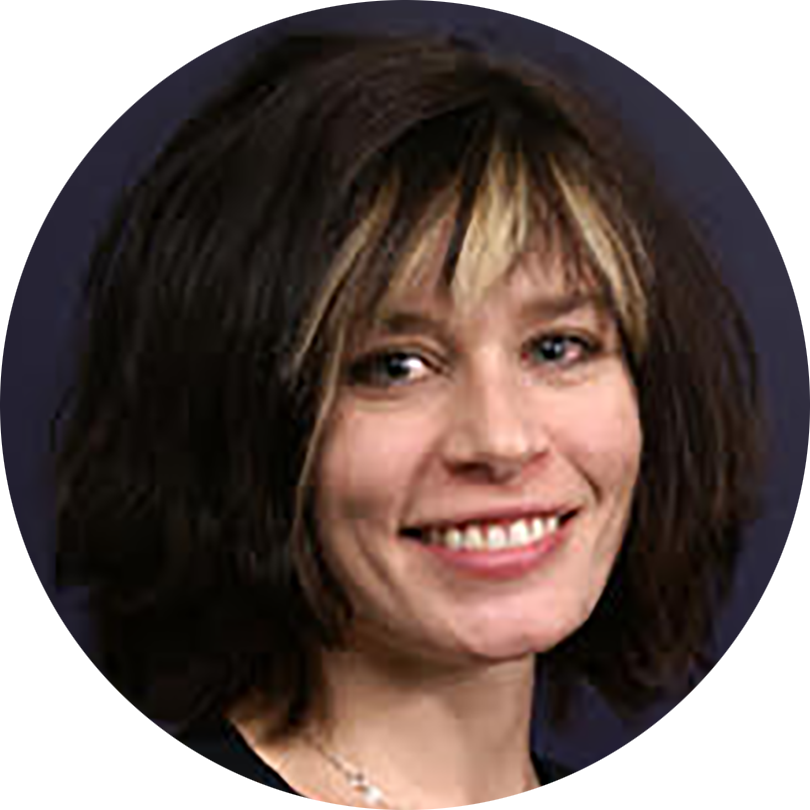
A lifetime ago, Erin received a BA in psychology and a double minor in holistic health & wellness, and nutrition. She is a certified health coach, yoga, breath, and meditation instructor, and a self-proclaimed food nerd. A plant-fueled human, she’s a firm believer in seasonal, organic, real food. This naturally makes her an advocate against cruelty and abuse of any kind to animals, people, and nature. But please don’t worry, she’s not a preachy plant-eater. In fact, she’s very open to curiosity and conversation, and simply believes that we all could use a few more fruits and veggies in our lives, and a lot more kindness and compassion. Because she’s naturally curious about others, and enjoys conversations and helping people, she came to work for Integrative Psychiatry Institute early in 2020. Prior to that, she taught yoga, breathing, and mediation in both clinical and studio settings. Creating agile nervous systems is a passion, and an area outside family and friendships, where she finds purpose. Although after two decades of teaching, she [sort of] retired, now only teaching workshops privately for a select few clients. When not having conversations with people and teaching, you can find her snuggled up with her two amazing Rhodesian Ridgebacks, reading one of the 5 books she’s currently gotten herself into, cooking (sometimes not so successfully), or watching British mysteries. In the winter months, she’s an avid skier, and in the warmer ones, she’s riding her road bike, trying desperately to keep up with her husband who’s a semi-pro-cyclist, and her son, a burgeoning one, who will be entering and racing in U23.
Annie Mithoefer, BSN, is a Registered Nurse living in Asheville, NC. She was co-investigator on two of the MAPS-sponsored Phase 2 clinical trials for individuals with PTSD and a pilot study treating couples combining MDMA-assisted psychotherapy with Cognitive Behavioral Conjoint Therapy for PTSD. She is currently co-investigator in MT1, a protocol allowing MAPS-trained therapists to receive their own MDMA-assisted session, she conducts MAPS Therapist Trainings with her husband, Michael, and is a supervisor for Phase 3 therapists. She is a Grof-certified Holotropic Breathwork Practitioner and is trained in Hakomi Therapy.
Shannon Carlin, MA, LMFT, is the Director and Head of Training and Supervision at the MAPS Public Benefit Corporation (MAPS PBC), a wholly owned subsidiary of the Multidisciplinary Association for Psychedelic Studies (MAPS PBC), a 501(c)(3) non-profit. As the Director of Training and Supervision, Shannon oversees the development and implementation of the programs that provide training and supervision to prepare mental health and medical professionals to deliver MDMA-assisted therapy in approved clinical settings. Shannon started working with MAPS PBC in 2011 before joining MAPS PBC in 2016.
In her dedication to supporting people through growth and healing, Shannon has served as a co-therapist on MAPS PBC-sponsored Phase 2 trials researching MDMA-assisted therapy for anxiety associated with life-threatening illness and MDMA-assisted therapy for severe PTSD. Shannon’s direct clinical work continues to inform the development and implementation of the training programs she oversees.
Shannon’s previous professional experience includes the development of community programs delivering resources, services, training, and support for healthy living, life skills, employment, and positive youth development. Her work has served adults with schizophrenia, bipolar, and substance use disorder, families and youth in a low-income residential setting, and high school students learning about moderation management of drug and alcohol use. In her lifelong commitment to address homelessness, Shannon volunteers with housing projects and shelters and completed a farm internship with the Homeless Garden Project.
Shannon received her master’s degree in Integral Counseling Psychology from the California Institute of Integral Studies and a bachelor’s degree in Cultural Anthropology from the University of California, Santa Cruz. An adventurer at heart, Shannon can be found in nature, backpacking, running, and dancing. She celebrates and cultivates relationship and community and is passionate about life, love, and thriving.
Allyson Grey is a painter and social sculptor. With an MFA from Tufts University, Grey has long been an art educator, arts organizer and muse to artists worldwide.
Since art school in 1975, Allyson has collaborated and shared a studio with the artist, Alex Grey. The Grey's co-founded the Chapel of Sacred Mirrors, (CoSM; cosm.org), a spiritual retreat center for artists outside of New York City. Together, Allyson and Alex have painted on stage in dozens of cities before thousands of dancing young people at festivals and arenas across five continents including Broadway theaters in New York City. As long-time advocates of "cognitive liberty," a growing international "sacramental culture" has embraced the Grey's as mapmakers and spokespersons for the visionary realm.
Alex and Allyson Grey’s legendary visionary art has been featured in venues as diverse as the album art of TOOL, SCI, the Beastie Boys and Nirvana, Time and Newsweek magazines, the Discovery Channel, rave flyers and sheets of blotter acid. Exhibited worldwide, Alex's art has been honored with solo exhibitions at Feature Inc., Tibet House, Stux Gallery, P.S. 1, The NYC Outsider Art Fair, The New Museum in NYC, the Grand Palais in Paris, the Sao Paulo Biennial in Brazil. Alex's art has been featured in several year long exhibitions at the American Visionary Art Museum including a room installation he created with Allyson entitled "Heart Net" (1998-99). A mid-career retrospective of Grey’s works at the Museum of Contemporary Art, San Diego in 1999. A keynote speaker at conferences all over the world including Tokyo, Amsterdam, Basel, Barcelona and Manaus, the international psychedelic community has embraced Grey as an important mapmaker and spokesman for the visionary realm.
In 2004, the Greys founded the Chapel of Sacred Mirrors in New York, a cultural center and refuge for contemplation that celebrates a new alliance between divinity and creativity. The Chapel moved to its permanent home in Wappinger Falls, New York in February 2009. With a diverse following ranging from rockstars to scientists, Grey’s works have become icons of the contemporary spiritual movement by virtue of their power to inspire, inform, and illuminate the inexplicable.
Lisa Harding, MD, is a graduate of the Yale School of Medicine. She finished her training as the Chief Resident of Intervention Psychiatric Services at Yale Psychiatric Hospital. She is now a Clinical Instructor in the Department of Psychiatry at the Yale School of Medicine. Dr. Harding is the medical director of Depression MD, a private outpatient psychiatric practice dedicated to treatment resistant depression, especially in underserved populations. Dr. Harding is currently a board member of ASKP3. Dr. Harding is an APA Diversity Leadership Fellow ( 2017-2019) and was detailed to the Council of Psychiatry and Law where she served as a voting member during her tenure. She worked on developing numerous position statements while on the council. She is also an APA Foundation Ambassador with special interest in bridging faith based practices and psychiatry. Dr. Harding was awarded a prestigious Rappeport Fellowship with the American Academy of Psychiatry and the Law and has contributed to national position statements.
Joseph McCowan, PsyD, is a licensed clinical psychologist and psychotherapist, currently working in Los Angeles as a co-therapist in the MAPS sponsored phase 3 clinical trials of MDMA-Assisted Psychotherapy for PTSD. He is an alumni of MAPS August 2019 MDMA Therapy Training for Communities of Color. Joseph is deeply passionate about furthering education and awareness of the healing benefits of psychedelics for communities of color and in working to improve mental health outcomes for historically underserved communities.
Sara is a psychedelic therapist and educator with expertise in MDMA-Assisted Therapy, ketamine-assisted therapy, psychedelic risk reduction, and psychedelic professional development. She served as the Course Director for the IPI Psychedelic-Assisted Therapy Training from 2020-2022 and currently serves as Lead Facilitator for the training. Sara worked at the Multidisciplinary Association for Psychedelic Studies (MAPS) beginning in 2013 where she held multiple titles including Harm Reduction Officer and Director of Harm Reduction, overseeing the work of the Zendo Project. Since 2015, she has served as an Investigator for MAPS Public Benefit Corporation Phase 2 and Phase 3 clinical trials researching the safety and efficacy of MDMA-Assisted Therapy for PTSD and currently works as a MAPS Educator and Associate Supervisor. Over the past decade, she has helped to train thousands of individuals on the topics of psychedelic-assisted therapy, psychedelic peer support, and personal and professional development in the psychedelic field. Sara believes in the potential of psychedelics as catalysts for individual, community, and collective healing. She lives in Boulder, Colorado with her partner Ryan and their King Charles Cavalier Pupplemousse.
Kelly McCarter, MBA has nearly 10 years of finance, operations and strategy experience across companies ranging from large cap to start-ups, both private sector and publicly traded, and across a wide range of industries. Kelly’s personal passion for an intuition-led, wellness-focused lifestyle combined with her business experience have aligned her with the IPI mission, and positioned her well to provide comprehensive program support.
Ian Wickramasekera, PsyD, a clinical psychologist and have been a teacher of transpersonal psychology for over 20 years. He taught counseling related courses at Naropa University since 2015 and previously taught at Saybrook University, the Adler School of Professional Psychology, and the University of Illinois Medical School. His interest in psychedelically assisted psychotherapy began when He met and spent time with Dr. Timothy Leary in 1986. He loves researching anything related to mind/body/spirit phenomena. He is most well-known for his work in hypnosis and empathy which has won a number of awards and Fellowship in the American Psychological Association. However, he also developed research and theory involving biofeedback, Dzogchen, empathy, meditation, near death experiences, psychophysiology, Shamanism, spirituality, and transpersonal experiences. Almost all of his 50 plus publications can be accessed here: (12) Ian Wickramasekera (researchgate.net)
Devon Christie, MD, is a family physician and certified Functional Medicine provider with a focused practice in chronic pain management. Devon is also a Registered Therapeutic Counsellor and certified Relational Somatic Therapist, as well as a certified Mindfulness-Based Stress Reduction (MBSR) teacher and Kundalini Yoga teacher with over 20 years’ personal experience in cultivating mindfulness and yogic practices. Devon is also a trained MDMA therapist with the Multidisciplinary Association for Psychedelic Studies (MAPS) and has training and experience in Ketamine Assisted Psychotherapy. Devon is a teacher with the California Institute of Integral Studies (CIIS) Certificate in Psychedelic Therapy and Research Program. She is passionate about educating health care providers in integrative mind-body wellness approaches, and therapists in somatic trauma-informed skillsets and relational nuances, especially in the context of psychedelic-assisted therapy. Devon is devoted to helping people uncover the root causes that lead to illness, connect with the wisdom and innate healing intelligence of their body-mind, and become active participants in their own wellbeing.
Berra Yazar-Klosinski, PhD, is a Deputy Director of the 501(c)(3) non-profit Multidisciplinary Association for Psychedelic Studies (MAPS). She also serves as the Chief Scientific Officer (CSO) for the MAPS Public Benefit Corporation (MAPS PBC) where she drives scientific strategy and directs all facets of pre-market regulatory activities to create psychedelic medicines.
Dr. Yazar-Klosinski has worked on every MAPS-sponsored study to date and has contributed significantly to the foundation of MAPS PBC. She has actively contributed to the nonclinical and clinical development of MDMA-assisted psychotherapy and other psychedelic compounds.
As the CSO of MAPS PBC, Dr. Yazar-Klosinski provides leadership, scientific strategy, direction, and execution for global clinical development plans to bring products to target markets, utilizing deep scientific understanding of the disease process, mechanism of action of psychedelic compounds, and understanding of design and execution of clinical trials to nurture ideas from proof of concept to patient care. She also provides executive oversight for the Data Management & Services (including Biostatistics), Chemistry, Manufacturing & Controls, and Regulatory Affairs Departments.
After gaining experience in clinical research laboratories with Geron Corporation and Millennium Pharmaceuticals, Dr. Yazar-Klosinski joined MAPS in 2009 to work with an organization where profit does not dictate the agenda of scientific research. Dr. Yazar-Klosinski has supported MAPS clinical research and regulatory affairs through all stages of growth, and she has developed a strong track record of success with FDA, state regulatory agencies and multiple international regulatory agencies.
Dr. Yazar-Klosinski earned her B.S. in Biology with a minor in Drama from Stanford University and her Ph.D. in Molecular, Cell, and Developmental Biology from the University of California, Santa Cruz. She is a Turkish hunter-gatherer who is supporting the growth of her family and pets in harmony with the natural world as she works tirelessly to transform the future."
Amy Emerson, BA, is the Chief Executive Officer at the MAPS Public Benefit Corporation (MAPS PBC), a wholly owned subsidiary of the Multidisciplinary Association for Psychedelic Studies (MAPS PBC), a 501(c)(3) non-profit organization. As the Chief Executive Officer, Amy has led the growth and development of this new subsidiary and is responsible for overall global regulatory strategy and implementation of research programs with a focus on the MDMA-assisted psychotherapy program within MAPS PBC.
Amy started as a pro bono consultant at MAPS PBC in 2003, and since then has built MAPS PBC’ clinical department while managing the MDMA Clinical Development Program with a focus on the PTSD indication. In 2014, MAPS Public Benefit Corporation was incorporated to focus on psychedelic drug development, therapist training programs, and future sales of prescription psychedelics prioritizing public benefit above profit.
Amy brings decades of pharmaceutical development and research experience in Phase 1 through Phase 3 Randomized Controlled Trials including supporting three successful regulatory approvals for new biologics. Her professional experience at Novartis, Chiron, and other pharmaceutical companies (1993-2009) spans various fields including immunology, oncology, and vaccines. Pursuing her love of science and nature cultivated while growing up in the woods of Alaska she earned her B.S. in genetics and cell biology from Washington State University in 1992 to prepare for a career in research. Amy is passionate about being a mother and the work of bringing the potential of psychedelics for healing further into the consciousness of the world, leaving a better world for the following generations. She has a lifelong love of travel, living abroad with her husband, exploring in nature, and cooking with her family.
Resmaa Menakem, New York Times bestselling author of My Grandmother’s Hands: Racialized Trauma and the Pathway to Mending Our Hearts and Bodies, is a visionary Justice Leadership coach, organizational strategist and master trainer. Resmaa is a leading voice in today’s conversation on racialized trauma. Resmaa created Cultural Somatics, which utilizes the body and resilience as mechanisms for growth.
Resmaa has hosted his own radio talk show as well as appeared on programs ranging from The Oprah Winfrey and Dr. Phil shows as an expert on conflict mediation, self-care and healing to Minnesota Public Radio as an expert on racialized trauma during civil unrest.
Pat Ogden, PhD, is a psychotherapist, renowned innovator in somatic psychology, and leading expert in working through the body to resolve trauma.
She developed Sensorimotor Psychotherapy, a body-oriented approach to help patients process traumatic memories and manage threat responses. Sensorimotor Psychotherapy was influenced by Pat’s training in gestalt therapy, mindfulness practices, and the Hakomi method.
Pat is the primary author of Trauma and the Body: A Sensorimotor Approach to Psychotherapy and Sensorimotor Psychotherapy: Interventions for Trauma and Attachment.
Françoise Bourzat, MA, has been bridging the divide between western psychology and indigenous wisdom in collaboration with healers in Huaulta de Jiminez, Mexico for the past 30 years. She is a founder of the Center for Consciousness Medicine, which trains people to become guides in a holistic method of psychedelic assisted therapy. She is also the co-author of Consciousness Medicine, published by North Atlantic Books.
Françoise served on the advisory board for the Oregon Prop 109 initiative and is currently collaborating with the Pacific Neuroscience Institute in an FDA-approved research study on psilocybin-assisted therapy for Covid-related grief.
She has a Master of Arts in Somatic Psychology and is trained in the Hakomi Method. Françoise has taught at CIIS in San Francisco, is a counselor, and runs online courses and lectures in various institutions.
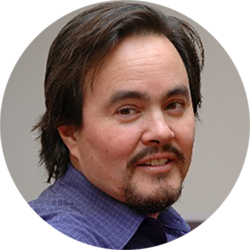
Kekuni Minton, PhD, is a founding trainer of Sensorimotor Psychotherapy Institute (SPI) and co-author of Trauma and the Body: A Sensorimotor Approach to Psychotherapy (2009). Dr. Minton (CO; NLC.0001765) has a private practice in Colorado since 1988, specializing in trauma and attachment issues with individual and couples. Dr. Minton was the resident psychotherapist at the Boulder County AIDS Project (1992- 1995) and past faculty member at Naropa University (1995 – 2006). His doctoral thesis in clinical psychology focused on somatic relational therapy, and he has special interests in meditation and cultural trauma. Dr. Minton is first author on, La Narrazione del Corpo: la Psicoterapia Sensomotoria Integrata Nella Terapia di Coppia (2018), published in Italy. He trains internationally for SPI in Italy, Spain, UK, Belgium, the Netherlands, and France and across the US and Canada.
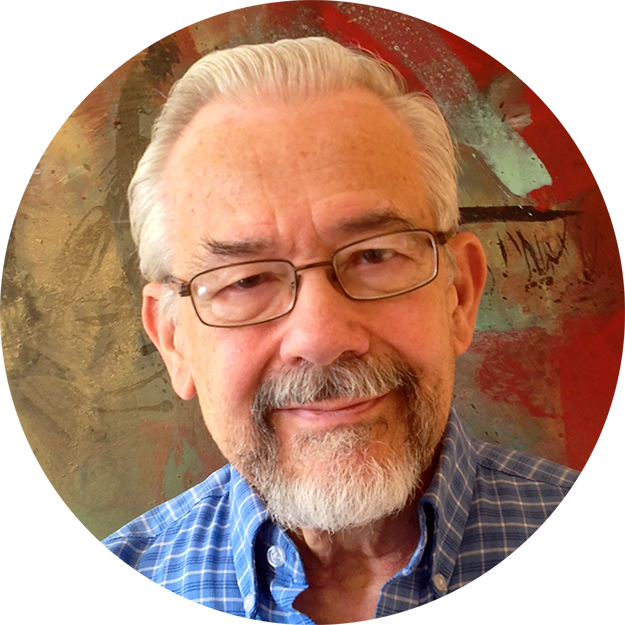
William A. Richards, PhD
William (Bill) is Director of Therapy at Sunstone Therapies, based at the Aquilino Cancer Center in Rockville MD. He also is a psychologist in the Center for Psychedelic and Consciousness Research in Baltimore where he has been implementing research studies with psilocybin at the Johns Hopkins School of Medicine since 1999, and teaches at the California Institute of Integral Studies. His graduate degrees include M.Div. (Yale), S.T.M. in the psychology of religion (Andover-Newton) and Ph.D. (Catholic University). He studied with Abraham Maslow at Brandeis University and with Hanscarl Leuner at Georg-August University in Göttingen, Germany, where his involvement with psychedelic research originated in 1963. From 1967 to 1977, he implemented projects of psychotherapy research with LSD, DPT, MDA and psilocybin at the Maryland Psychiatric Research Center, including protocols designed to investigate the promise of psychedelics in the treatment of alcoholism, depression, narcotic addiction and the psychological distress associated with terminal cancer, and also their use in the training of religious and mental-health professionals. His recent research at Johns Hopkins has focused on the potential value of psilocybin in the continuing education of professional religious leaders from different world religions. His book, Sacred Knowledge: Psychedelics and Religious Experiences, published by Columbia University Press, now has been translated into multiple languages.
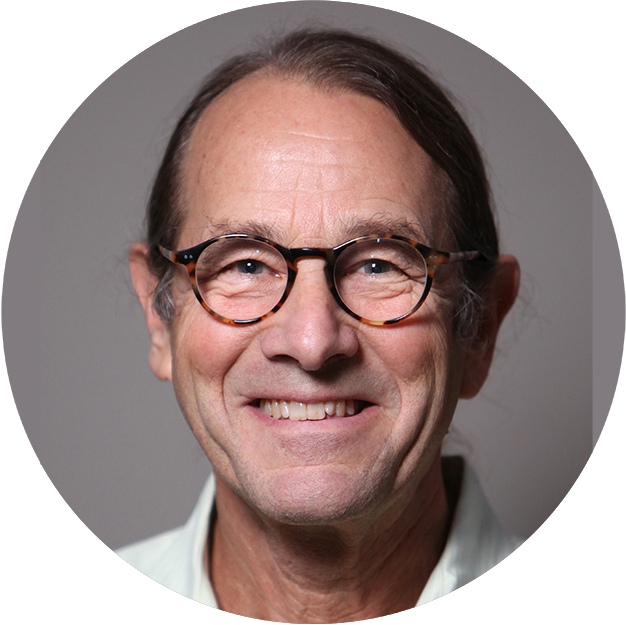
Michael Mithoefer, MD, is a psychiatrist living in Asheville, NC, with a research office in Charleston, SC. In 2000 he began collaborating with MAPS on the first US Phase 2 clinical trial of MDMA-assisted Psychotherapy. He and his wife Annie have since conducted two of the six MAPS-sponsored Phase II clinical trials testing MDMA-assisted psychotherapy for PTSD, as well a study providing MDMA-assisted sessions for therapists who have completed the MAPS Therapist Training, and a pilot study treating couples with MDMA-assisted psychotherapy combined with Cognitive Behavioral Conjoint Therapy. He is now Senior Medical Director for Medical Affairs, Training and Supervision at MAPS Public Benefit Corporation (MPBC). He is a Grof-certified Holotropic Breathwork Facilitator, is trained in EMDR and Internal Family Systems Therapy, and has nearly 30 years experience treating trauma patients. Before going into psychiatry in 1991 he practiced emergency medicine for ten years, served as medical director of the Charleston County and Georgetown County Emergency Departments. He has been board certified in Psychiatry, Emergency Medicine, and Internal Medicine, and is a Fellow of the American Psychiatric Association, and Affiliate Assistant Professor Department of Psychiatry and Behavioral Sciences Medical University of South Carolina.
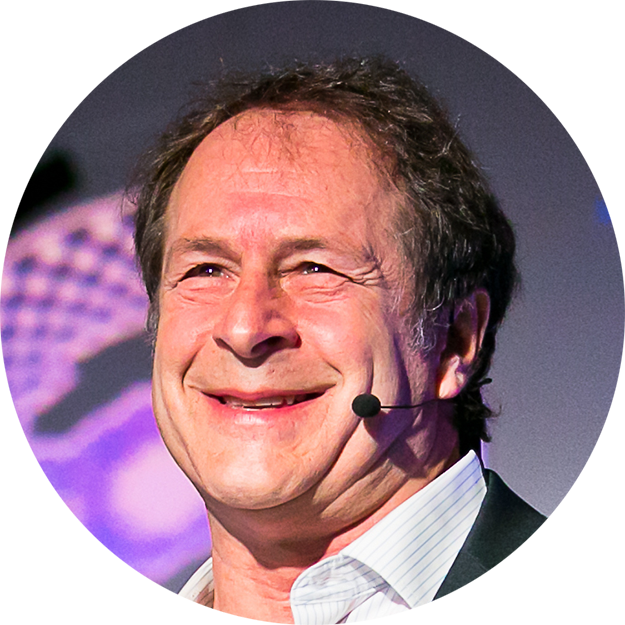
Rick Doblin, PhD, is the founder and executive director of the Multidisciplinary Association for Psychedelic Studies (MAPS). He received his doctorate in Public Policy from Harvard's Kennedy School of Government, where he wrote his dissertation on the regulation of the medical uses of psychedelics and marijuana and his Master's thesis on a survey of oncologists about smoked marijuana vs. the oral THC pill in nausea control for cancer patients. His undergraduate thesis at New College of Florida was a 25-year follow-up to the classic Good Friday Experiment, which evaluated the potential of psychedelic drugs to catalyze religious experiences. He also conducted a thirty-four year follow-up study to Timothy Leary's Concord Prison Experiment. Rick studied with Dr. Stanislav Grof and was among the first to be certified as a Holotropic Breathwork practitioner. His professional goal is to help develop legal contexts for the beneficial uses of psychedelics and marijuana, primarily as prescription medicines but also for personal growth for otherwise healthy people, and eventually to become a legally licensed psychedelic therapist. He founded MAPS in 1986, and currently resides in Boston with his wife, dog, and empty rooms from three children, one of whom is in college and two have graduated.
Jessica Katzman, PsyD, is a licensed Clinical Psychologist with over 20 years of experience as a therapist. She was trained at California Institute of Integral Studies in both traditional and transpersonal perspectives on healing.
She is the co-founder with Dr. Robert Grant of Healing Realms, a depth-oriented ketamine assisted psychotherapy (KAP) outpatient private practice that supports those with treatment-resistant mental health concerns, as well as those without major diagnoses who are interested in gaining greater insight into themselves and their connection to life.
She completed advanced training in therapeutic ketamine at KRIYA Institute She has presented at the ASKP and KRIYA Conferences on therapeutic ketamine, and facilitates an ongoing KAP consultation group for medical/mental health professionals.
In her private practice, she specializes in integrating psychedelic experiences, supporting the LGBTQQIAAP communities, treating substance use from a harm reduction perspective, addressing body image concerns from a Health at Every Size lens, mood/anxiety disorders, social justice conversations, and navigating non-traditional relationships and sexuality.
Jason Wallach, PhD, is an assistant professor in the Department of Pharmaceutical Sciences as well as the Substance Use Disorders Institute at the University of the Sciences. He also holds an adjunct appointment at Cooper Medical School. He is an author on over 20 publications in peer-reviewed journal articles as well as numerous book chapters and popular press articles. Dr. Wallach’s research focuses on the analytical and pharmacological characterizations of existing and novel psychoactive drugs with a focus on dissociatives and the serotonergic classical hallucinogens.
Elias Dakwar, MD, a board-certified psychiatrist and Associate Professor of Clinical Psychiatry in the Division on Substance Abuse at Columbia University, is involved, along with other licensed physicians, in the evaluation and care of all participants in our research trials. Dr. Dakwar has received research awards from the National Institute on Drug Abuse (NIDA) and the National Institute on Alcohol Abuse and Alcoholism (NIAAA).
Randall Malchow, MD served as an anesthesiologist for 25 years in the armed forces before retiring as a colonel in 2008. He then became an associate professor at Vanderbilt University Medical Center in Nashville, where he was the first Vanderbilt physician to offer intensive ketamine infusion therapy in 2014. In 2015, he established one of the few ketamine infusion centers (KIC) in the Veteran Health Administration and the only KIC in the U.S. specifically targeting opioid cessation/reduction.
He has an extensive 30-year experience with the administration of ketamine for analgesic purposes and has presented his experience with ketamine in the veteran population at the American Society of Ketamine Physicians Annual Meeting in 2018. Dr. Malchow has published over 20 peer-reviewed journal articles and serves regularly on worldwide medical missions supporting those in need.
Dr. Malchow is honored to serve as the Medical Director for the AMG Ketamine & Wellness Center to provide compassionate and competent care for those suffering from chronic pain, opioid dependence, depression, PTSD, anxiety, and OCD.
Michael D. Banov, MD is a triple board-certified Adult, Adolescent, and Addiction Psychiatrist and is the medical director of PsychAtlanta and PsychAtlanta Research Center in Atlanta, Georgia. PsychAtlanta is an outpatient behavioral health group practice providing comprehensive outpatient services to those suffering from a wide range of psychiatric problems.PsychAtlanta Research Center works with pharmaceutical companies to test new compounds for the treatment of psychiatric disorders including, but not limited to, depression, anxiety, bipolar disorder, attention deficit disorder, and schizophrenia.
Dr. Banov attended medical school at Emory School of Medicine and completed his psychiatry training at McLean-Mass General Hospital, Harvard Medical School residency program. He was chief resdient of the psychotic disorders program and was given a teaching faculty appointment at Harvard Medical School before moving back to Georgia. He is a certified clinical investigator, having received his certification from the Association of Clinical Research Professionals (ARCP). He is also board certfied as a Diplomate by the American Board of Integrative and Holistic Medicine. He is an assistant clincial professor of psychiatry at the Medical College of Georgia.
Dr. Banov has conducted over 100 clinical research studies with new and existing compounds in the management of acute and chronic psychiatric conditions. He runs a treatment resistant mood and anxiety program that includes ketamine, Spravato, and other innovative therapy options. He recently published a paper in CNS spectrums on ketamine in anxiety disorders and is a medical consultant for an Atlanta-based medical device company working on innovation solutions to deliver intransal medications in a controlled and safe manner.
See www.psychatlanta.com for more information about Dr. Banov
Megan Oxley, MD is the founder and medical director of Michigan Progressive Health. A Board Certified Emergency Medicine physician, Dr. Oxley graduated from prestigious Wayne State University in 2009. She completed her residency training in Emergency Medicine in Detroit, serving the inner city. She spent a decade working in emergency departments in Michigan and Maryland and then transitioned to working with ketamine after helping a family member with treatment resistant depression. Dr. Oxley has been providing ketamine infusions for over four years. She is a founding board member of the American Society of Ketamine Physicians, Psychotherapists and Practitioners and is the current Vice President.
Sandhya Prashad, MD is a board certified psychiatrist specializing in interventional modalities for treatment resistant disorders with a particular interest and expertise in KAP. She completed both medical school and psychiatry residency at Baylor College of Medicine. She has been in private practice in the Houston area since 2011 and has been utilizing intravenous "ket" since 2016. She has personally administered over 5,000 treatments. She is the founder and medical director of Sandhya J. Prashad, MD, Houston TMS Therapeutics. Dr. Prashad is involved on an international level with furthering awareness and education regarding the safe and effective use of KAP. She is a founder, the former secretary and the current president of ASKP3. Dr. Prashad has been appointed as a clinical assistant professor at Baylor College of Medicine in the Menninger Department of Psychiatry and Behavioral Sciences where she assists in education of residents and medical students regarding the use of KAP and TMS in clinical practice. She continues to work to expand her practice to include evidence based interventional treatments as they become available, and has a particular interest in expanding access and affordability of these treatments.
Charles L. Raison, MD is the Mary Sue and Mike Shannon Chair for Healthy Minds, Children & Families and Professor, School of Human Ecology, and Professor, Department of Psychiatry, School of Medicine and Public Health, University of Wisconsin-Madison in Madison, WI. Dr. Raison also serves as Director of Clinical and Translational Research for Usona Institute, as Director of Research on Spiritual Health for Emory Healthcare and as Visiting Professor in the Center for the Study of Human Health at Emory University in Atlanta, GA. In addition, Dr. Raison has served as mental health expert for CNN.com for many years and is the host of the “Health is Everything” podcast. Dr. Raison is internationally recognized for his studies examining novel mechanisms involved in the development and treatment of major depression and other stress-related emotional and physical conditions, as well as for his work examining the physical and behavioral effects of compassion training. More recently, Dr. Raison has taken a leadership role in the development of psychedelic medicines as potential treatments for major depression. The recipient of several teaching awards, Dr. Raison has received research funding from the National Institute of Mental Health, National Center for Complementary and Alternative Medicine, and the Centers for Disease Control and Prevention. Dr. Raison received the Raymond Pearl Memorial Award from the Human Biology Association “in recognition of his contributions to our understanding of evolutionary biocultural origins of mental health and illness.” He was named one of the world’s most influential researchers by Web of Science for the decade of 2010-2019. With Vladimir Maletic he is author of “The New Mind-Body Science of Depression” published by W.W. Norton in 2017. Dr. Raison serves on the Scientific Advisory Board for the American Foundation for Suicide Prevention.
Amy Mills, MD has been practicing psychiatry for over 35 years, with a specialty in psychiatric problems of pregnancy and post partum period. She obtained her graduate and medical school training from University of New Mexico School of Medicine. She continued to her residency in psychiatry at University of Colorado health Sciences Center. She is board certified in Psychiatry and Neurology, as well as in Holistic Medicine. She has recently retired from 35 years of private practice in Denver, Colorado.
Erin Amato, MD is a private practice Pediatric and Adult Psychiatrist at Montana Psychiatry & Brain Health Center in Billings, Montana. She was the first physician to bring Transcranial Magnetic Stimulation and Psychedelic treatment for depression to Montana and has focused her practice on innovative and integrative treatments to help patients find hope and healing. She completed TMS training at the Brain Stimulation Lab at MUSC and psychedelic assisted psychotherapy training through the Psychedelic Research and Training Institute (PRATI). In 2018, she founded The Center for Ideal Health with the aim to promote optimal health and aging through lifestyle and personalized medicine programs. She is currently anAdvanced Fellow in Anti-Aging, Metabolic and Functional Medicine with The American Academy of Anti-Aging Medicine and is passionate about helping people achieve optimal mood and memory across the lifespan through integrative and precision medicine.
Michelle Flowers, MD is a board-certified child, adolescent and adult psychiatrist who is passionate about helping people embrace and enhance meaning in their lives. In her more than fifteen years of experience as a private practice psychiatrist, she has focused on empowering individuals, couples and families as collaborators on their personal journeys.
Dr. Flowers believes in an integrative approach to psychiatry that seeks not only to alleviate suffering, but also to optimize wellness by addressing the needs of the body, mind and spirit. She appreciates the uniqueness of each individual and also the importance of the collective human experience and the power of connection. In addition to her work as a psychiatrist, she is fulfilled as mother to four children who consistently inspire her to expand her consciousness and enjoy the ride of life.
Dr. Flowers graduated from the first class of the IPI fellowship in 2020 and accepted the role of Course Director in 2021. She is trained in ketamine assisted psychotherapy, hypnosis, and aromatherapy. Outside of her psychiatric practice, Michelle enjoyed many years coaching youth sports and teaching dance fitness..
Elizabeth Willis RN, MS, PMHNP(c) is a co-founder of the Organization for Psychedelic and Entheogenic Nurses (OPENurses) and has practiced as an emergency department registered nurse (ED RN) in critical care settings for a decade. Passionate about disaster response and humanitarian work, her nursing path has taken her as far as Bolivia, Ecuador, Cambodia, Laos, and Zimbabwe. She currently works as a front-line provider ED RN at the University of California, San Francisco (UCSF). A 2017 graduate of the second cohort of the California Institute of Integral Studies (CIIS) Certificate in Psychedelic Therapies and Research (CPTR) program, she next earned a Master of Science (MS) degree from UCSF’s Psychiatric Mental Health Nurse Practitioner (PMHNP) program.
Psychedelics, peer-support, harm reduction, and nursing are areas where she has received advanced training and cultivated deep experiences. In west Sonoma County, CA, Liz has volunteered or worked for organizations as diverse as the Humane Society, Planned Parenthood, Red Cross, and Sutter VNA Hospice. Since 2013, as a volunteer with the Multidisciplinary Association for Psychedelic Studies (MAPS) for ZENDO Project, she has participated in all roles including medical lead and supervisor, training others in psychedelic harm reduction and holding space safely at numerous events and festivals in the United States, Costa Rica, and South Africa. In 2021, she was honored to serve as a supervisor for the launch of the pioneering psychedelic peer-support line — Fireside Project.
Her own personal healing journey began in Peru working within Shipibo traditions and ultimately led her to Teotihuacán, where her path as a Moondancer and as a Pipe Carrier walking in the Nahuatl lineage was initiated.
Liz is looking forward to her future role as a PMHNP where she will continue to fulfill her mission:
To honorably bring psychedelic medicines and plant entheogens to the western medical model by elevating the art, science, and spirituality of nursing in the fields of psychedelic-assisted therapies and research.
Radhalisa Zarzuela, LMHC is a bilingual Licensed Mental Health Counselor (LMHC) with a background in Trauma-Informed Cognitive Behavioral Therapy (TF-CBT) and anti-oppressive work, having served survivors of intimate partner violence, domestic violence, and other forms of gender-based violence and trauma. Radhalisa is also trained in level one Internal Family Systems (IFS). Radhalisa currently provides ketamine-assisted psychotherapy at Field Trip Health Clinic in New York City, and is a teaching assistant and group facilitator for the Integrative Psychiatry Institute.
Joe Castellano LPCC MA QEEG-T BCN, is the Founder and Clinician of Alpine Neurotherapy, which works with clinical, peak performance, TBI clients. He is an Board Certified QEEG Technologist, BCIA Board-Certified in Neurofeedback (BCN) and certified BCN Mentor. He earned his MA in Somatic Psychotherapy from Naropa University and is BS in Sports Science on the Sport Psychology track from the University of Utah, with a minor in Psychology. Joe is a father of two. He is an avid rock climber and former AMGA (American Mountain Guide Association) Single Pitch Instructor. He is also an avid skier with competitive backgrounds in both alpine and mogul skiing. Joe held a Masters Skydiving License, was an avid BASE jumper, and competed in both road cycling and mountain biking.
Jeffrey Becker, MD, trained at UCLA in both Medicine and Psychiatry with a focus on Neuropsychiatry and Functional Medicine. He is board-certified through the American Board of Psychiatry and Neurology (ABPN) and the American Board for Integrative and Holistic Medicine (ABIHM). He practices functional psychiatry in Los Angeles and Santa Barbara, where he combines psychiatry with functional interventions, genetic analysis and attention to the healing interface between body, mind, and spirit. He has expertise in integrated treatment approaches to schizophrenia, polycystic ovarian syndrome, hypo-methylation and functional B12 deficiency, nutrient repletion in alcohol, memory-loss and aging, and recovery from traumatic brain injury.
Malidoma Patrice Somé Phd., West African Elder, author, diviner, and teacher, as representative of his village in Burkina Faso, West Africa, has come to the west to share the ancient wisdom and practices which have supported his people for thousands of years. For more than twenty years, Elder Malidoma has shared the Wisdom of his Ancestors and tribal Elders: the Dagara Cosmology, and awakened a deep knowing in the hearts and bones of those who have recognized in his name, his books, his voice, and the Spirit world inviting the renewal of a deep and abiding relationship with all beings on Earth. Elder Malidoma is the author of several books, including Ritual: Power, Healing and Community, Of Water and The Spirit: Ritual, Magic and Initiation in the Life of an African Shaman, and The Healing Wisdom of Africa: Finding Life Purpose through Nature, Ritual, and Community. Dr. Somé holds three Master’s degrees and two Doctorates from the Sorbonne and Brandeis University. He is an initiated elder in his village in Dano, Burkina Faso, W. Africa. He travels throughout the world bringing a message of hope, healing and reconciliation through the powerful tools of ritual and community building.
James Lake is a Board-certified psychiatrist who completed residency training in adult psychiatry at Stanford and practices on the central California coast. He has chaired symposia and workshops at APA meetings and other national and international conferences on complementary, alternative and integrative mental health care. He previously served as a clinical assistant professor in the Department of Psychiatry and Behavioral Medicine at Stanford, and is currently a clinical assistant professor in the Department of Psychiatry at University of Arizona College of Medicine. Dr. Lake founded and chaired the American Psychiatric Association’s Caucus on Complementary, Alternative and Integrative Medicine from 2004 through 2010 and is a founding member and former chair of the International Network of Integrative Mental Health. Dr. Lake has completed intensive courses in herbal medicine, qigong, medical acupuncture, and EEG biofeedback, and is a long-time student of Tibetan medicine.
Dr. Lake is the author or editor of 5 textbooks: Chinese Medical Psychiatry: A Clinical Manual, (with Bob Flaws), Blue Poppy Press, 2000; Textbook of Integrative Mental Health Care, Thieme, 2006; and Complementary and Alternative Treatments in Mental Health Care (co-edited with David Spiegel), American Psychiatric Press, 2007, and Integrative Mental Health Care: A Therapist’s Handbook, Norton, 2009, and An Integrative Paradigm for Mental Health Care: Ideas and Methods Shaping the Future, Springer, 2019. In 2015 he self-published a series of 10 e-books offered as concise guides to integrative management of common mental health problems for use by patients and integrative clinicians. All books in the series were revised and updated in fall, 2019. You may contact Dr. Lake at his website http://progressivepsychiatry.com/
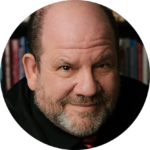
Stan Tatkin, PsyD, MFT, is a clinician, researcher, teacher, and developer of A Psychobiological Approach to Couple Therapy® (PACT). He has a clinical practice in Calabasas, CA, and developed the PACT Institute for the purpose of training other psychotherapists to use this method in their clinical practice.
In addition, Dr. Tatkin teaches and supervises family medicine residents at Kaiser Permanente, Woodland Hills, CA, and is an assistant clinical professor at the UCLA David Geffen School of Medicine, Department of Family Medicine. Dr. Tatkin is on the board of directors of Lifespan Learning Institute and serves as a member on Relationships First Counsel, a nonprofit organization founded by Harville Hendrix and Helen LaKelly Hunt.
Books/CDs by Dr. Tatkin includes:
Dr. Tatkin received his early training in developmental self and object relations (Masterson Institute), Gestalt, psychodrama, and family systems theory. His private practice specialized for some time in treating adolescents and adults with personality disorders. More recently, his interests turned to psycho-neurobiological theories of human relationship and applying principles of early mother-infant attachment to adult romantic relationships.
Dr. Tatkin was a primary inpatient group therapist at the John Bradshaw Center, where among other things, he taught mindfulness to patients and staff. He was trained in Vipassana meditation by Shinzen Young and was an experienced facilitator in Vipassana. He was also trained by David Reynolds in two Japanese forms of psychotherapy, Morita and Naikan. Dr. Tatkin was clinical director of Charter Hospital’s intensive outpatient drug and alcohol program and is a former president of the California Association of Marriage and Family Therapists, Ventura County chapter. He is a veteran member of Allan N. Schore’s study group. He also trained in the Adult Attachment Interview by way of Mary Main and Erik Hesse’s program through UC Berkeley.
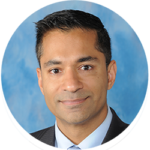
Dr. Ashwin Mehta was recruited as the Medical Director of Integrative Medicine at the Memorial Healthcare system in October of 2015.
Dr. Mehta trained as a fellow in the Program of Integrative Medicine at the University of Arizona and is board-certified in Internal Medicine and Sleep. He serves as the member of the Board of Trustees for the international Society for Integrative Oncology in 2016 and his expertise includes nutrition, exercise, sleep, yoga and mindfulness to achieve wellness in the context of coping with chronic medical conditions. Dr. Mehta’s research interests include the use of preventative medicine and positive health behaviors to improve quality of life.
The Integrative Medicine team at Memorial works closely with the Physician Wellness Committee and provides consultations to improve the overall health of our physician workforce. Dr. Mehta envisions integrative medicine as a driving force towards a new paradigm of quality healthcare where patient satisfaction and experience are given due importance.

Dr. Ashwin Mehta was recruited as the Medical Director of Integrative Medicine at the Memorial Healthcare system in October of 2015.
Dr. Mehta trained as a fellow in the Program of Integrative Medicine at the University of Arizona and is board-certified in Internal Medicine and Sleep. He serves as the member of the Board of Trustees for the international Society for Integrative Oncology in 2016 and his expertise includes nutrition, exercise, sleep, yoga and mindfulness to achieve wellness in the context of coping with chronic medical conditions. Dr. Mehta’s research interests include the use of preventative medicine and positive health behaviors to improve quality of life.
The Integrative Medicine team at Memorial works closely with the Physician Wellness Committee and provides consultations to improve the overall health of our physician workforce. Dr. Mehta envisions integrative medicine as a driving force towards a new paradigm of quality healthcare where patient satisfaction and experience are given due importance.
Dr. Jeffry N. Gerber, MD, FAAFP is a board certified family physician and owner of South Suburban Family Medicine in Littleton, Colorado, where he is known as “Denver’s Diet Doctor”. He has been providing personalized healthcare to the local community since 1993 and continues that tradition with an emphasis on longevity, wellness and prevention.
Nutrition and its effects on health are areas of interest for Dr. Gerber. Frustrated with spiraling healthcare costs related to the treatment of conditions like overweight, obesity, diabetes, atherosclerosis and heart disease just to name a few, Dr. Gerber has been focusing on prevention and treatment programs using low-carb high fat (LCHF), Ancestral, Paleo and Primal diets to treat and prevent these chronic conditions. He maintains a database of patients, looking at weight loss and improved cardio-metabolic markers, demonstrating the benefits of these types of diets. Redefining healthy nutrition is a goal. Dr. Gerber speaks frequently about these important issues to patients, the community and other health care professionals.
Dr. Jeffry N. Gerber, MD, FAAFP is a board certified family physician and owner of South Suburban Family Medicine in Littleton, Colorado, where he is known as “Denver’s Diet Doctor”. He has been providing personalized healthcare to the local community since 1993 and continues that tradition with an emphasis on longevity, wellness and prevention.
Nutrition and its effects on health are areas of interest for Dr. Gerber. Frustrated with spiraling healthcare costs related to the treatment of conditions like overweight, obesity, diabetes, atherosclerosis and heart disease just to name a few, Dr. Gerber has been focusing on prevention and treatment programs using low-carb high fat (LCHF), Ancestral, Paleo and Primal diets to treat and prevent these chronic conditions. He maintains a database of patients, looking at weight loss and improved cardio-metabolic markers, demonstrating the benefits of these types of diets. Redefining healthy nutrition is a goal. Dr. Gerber speaks frequently about these important issues to patients, the community and other health care professionals.
Dr. Christopher Palmer is a psychiatrist working at the interface of metabolic and mental disorders in order to better understand the overlap between disorders like diabetes, obesity, heart disease, and mental illness. Dr. Palmer is also the director of the Department of Postgraduate and Continuing Education at McLean Hospital and an Assistant Professor of Psychiatry at Harvard Medical School.
He has been a practicing psychiatrist for 25 years, in addition to doing research and teaching. His clinical practice has focused on treatment-resistant cases, which has made him painfully aware of the shortcomings of current approaches. Dr. Palmer is a pioneer in the use of the ketogenic diet in psychiatry. Building on the research of ketogenic diets and their effectiveness for epilepsy treatment, he is applying this method in his own practice for the treatment of mental illness.
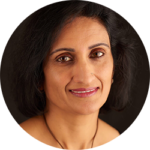
Sujatha Reddy MSEd, BAMS, LPC, DCC is an Ayurvedic Doctor and a Licensed Mental Health Counselor. She graduated from Bangalore University in India with a bachelor’s degree in Ayurvedic Medicine and Surgery in 1988. She has her Masters in Community Counseling from the University of Dayton in Ohio. She has been practicing Ayurveda for over 30 years and has been in the field of mental health for eighteen years. Currently she has a private practice in Lakewood, Colorado. She is Licensed in the state of Colorado and Ohio as a Professional Clinical Mental Health Counselor. Sujatha is certified in Cognitive Behavior therapy, Emotional Freedom Technique, Alternative and Integrated treatment for Mental Health, Kundalini Yoga Meditation and Pranayama.
Sujatha is the owner and Executive director of Humanly Lakewood a whole person wellness center. She has over 40 mental health and alternative health practitioners in her center. She is Currently a board member of COLORAMA (Colorado Ayurvedic Medical Association) where she serves as the Governance for the organization.
Sujatha was awarded the Athreya award in 2012 by Association of Ayurvedic Physicians of North America(AAPNA) for her Clinical expertise in Ayurveda. She was also awarded the New Albany OH mental health award for 2019. Her practice is limited to adults as a mental health counselor and Doctor of Ayurveda.
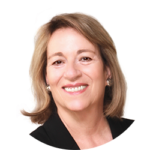
Leslie Korn, PhD, MPH, LMHC has been practicing Integrative Medicine for Mental Health since 1977, providing over 80,000 clinical care hours, integrating nutritional, herbal and culinary medicine with psychotherapy, yoga and cranial sacral therapies. She specializes in the treatment of traumatic stress and its somatic sequelae.
She completed her graduate education in the departments of psychiatry and public health at Harvard Medical School, following 10 years of life training in the jungle of Mexico. She was a Fulbright scholar in Botanical Medicine and an NIH-funded principal investigator and is the former clinical director of New England School of Acupuncture and faculty at the National College of Naturopathic Medicine.. She is the author of 9 books including, Natural Woman: Herbal Remedies for Radiant Health at Every Age and Stage of Life (Shambhala, 2020) Rhythms of Recovery: Trauma, Nature and the Body (Routledge, 2012), Nutrition Essentials for Mental Health (W.W. Norton, 2016), Multicultural Counseling Workbook: Exercises, Worksheets & Games to Build Rapport with Diverse Clients (PESI, 2015) and The Good Mood Kitchen (W.W. Norton, 2017).
Leslie is in private practice with a focus on helping people eliminate or reduce psychotropic medications. She conducts post graduate trainings and mentorship and is the research director at CWIS.org where she designs culinary and herbal medicine programs with tribal communities. She is passionate about the healing power of canines.
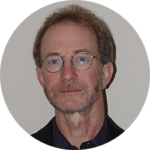
Daniel A. Kinderlehrer, MD
Daniel A. Kinderlehrer, MD is a nationally recognized physician with expertise in the fields of nutrition, allergy, environmental medicine, Lyme disease and the healing of mind-body-spirit as a unified whole. Dr. Kinderlehrer co-founded The New England Center for Holistic Medicine in Newbury MA, and has taught extensively, including practitioner training courses at the Omega Institute, The National Institute of Behavioral Medicine, The Omega Institute, and the International Lyme and Associated Diseases Society. He created and organized the Lyme Fundamentals course which is presented annually at the International Lyme and Associated Diseases conferences. He is the author of several review articles in medical journals and the Lyme Times. His integrated medical practice in Denver, CO focuses on the diagnosis and treatment of tick-borne disease. Dr. Kinderlehrer is the author of Recovery From Lyme: The Integrative Medicine Guide to the Diagnosis and Treatment of Tick-Borne Illness, which will be released in 2020.
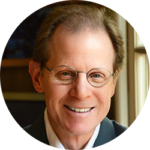
Daniel Siegel, MD is a clinical professor of psychiatry at the UCLA School of Medicine and the founding co-director of the Mindful Awareness Research Center at UCLA. He is also the Executive Director of the Mindsight Institute which focuses on the development of mindsight, teaches insight, empathy, and integration in individuals, families and communities.
Dr. Siegel has published extensively for both the professional and lay audiences. His five New York Times bestsellers are: Aware: The Science and Practice of Presence, Mind: A Journey to the Heart of Being Human, Brainstorm: The Power and Purpose of the Teenage Brain, and two books with Tina Payne Bryson, Ph.D: The Whole-Brain Child, and No-Drama Discipline. His other books include: The Developing Mind, The Pocket Guide to Interpersonal Neurobiology, Mindsight, The Mindful Brain, The Mindful Therapist, and also with Tina Payne Bryson, Ph.D. - The Yes Brain and The Power of Showing Up. Dr. Siegel also serves as the Founding Editor for the Norton Professional Series on Interpersonal Neurobiology which contains over seventy textbooks.
For more information about his educational programs and resources, please visit: www.DrDanSiegel.com and www.mindsightinstitute.com
Rachel Yehuda, PhD is a Professor and Vice Chair of Psychiatry, and Professor of Neuroscience at the Icahn School of Medicine at Mount Sinai. She is also the Mental Health Patient Care Center Director at the Bronx Veterans Affairs, which includes the PTSD clinical research program and the Neurochemistry and Neuroendocrinology laboratory at Mount Sinai and the James J. Peters Veterans Affairs Medical Center. Dr. Yehuda is a recognized leader in the field of traumatic stress studies. She has authored more than 450 published papers, chapters, and books in the field of traumatic stress and the neurobiology of PTSD. Her current interests include PTSD treatment innovation, PTSD prevention, the study of risk and resilience factors, psychological and biological predictors of treatment response in PTSD, genetic and epigenetic studies of PTSD and the intergenerational transmission of trauma and PTSD. She has an active federally-funded clinical and research program that welcomes local and international students and clinicians.
Jeffrey Guss, MD is a psychiatrist, psychoanalyst, and researcher with specializations in psychoanalytic therapy and the treatment of substance use disorders. He was Co-Principal Investigator and Director of Psychedelic Therapy Training for the NYU School of Medicine’s study on psychedelic-assisted psychotherapy in the treatment of cancer-related existential distress, which was published in Journal of Psychopharmacology, 2016. He currently is a study therapist in the NYU study on Psychedelic-Assisted therapy in the treatment of Alcoholism, a collaborator with Yale University’s study on psychedelic-assisted therapy for Major Depressive Disorder and a study therapist with the MAPS (Multidisciplinary Association for Psychedelic Studies) study on treatment of Post Traumatic Stress Disorder with Psychedelic-Assisted Psychotherapy.
Dr. Guss is interested in the integration of psychedelic therapies with contemporary psychoanalytic theory and has published in Studies in Gender and Sexuality and Psychoanalysis, Culture and Society. He has published (with Elizabeth Nielson, PhD) a paper on “the influence of therapists’ first had experience with psychedelics on psychedelic-assisted psychotherapy research and therapist training” in The Journal of Psychedelic Studies, August, 2018. He is an Instructor and Mentor with the California Institute of Integral Studies’ Center for Psychedelic Therapies and Supervisor in NYU’s Fellowship in Addiction Psychiatry.
Dr. Guss maintains a private practice in New York City.

Anu French, MD is a Fellow of the American Academy of Pediatrics and a Member of the AAP’s Pediatric Integrative Medicine Leadership Initiative. She is double board-certified in Pediatrics and Integrative Medicine and has completed a pediatric residency at The Children’s Hospital of Michigan, a fellowship in Integrative Medicine through Dr. Andrew Weil's Center for Integrative Medicine, is an alumnus of the IPI Integrative Psychistry fellowship and has Advanced Pediatric Training through the IFM (Institute for Functional Medicine).
She has a special interest in PANS/PANDAS and is on the Professional Advisory board of ASPIRE the Alliance to Solve PANS & Immune-Related Encephalopathies. https://aspire.care/about/mission-goals-vision/
Dr French is a member of Integrative Medicine for the Underserved for health care equity https://im4us.org/ and attended the 2018 Integrative Health & Wellness Congressional Caucus hearings on Capitol Hill. She is on the core committee of Let’s Integrate, a national community network dedicated to reversingACES http://www.letsintegrate.org/our-impact. She was an AAP Section on Integrative Medicine 2017 grant recipient and her research “A pilot study on ‘The Magic Mirror' harp music as a cost-effective biofeedback/neurofeedback tool to build intergenerational resilience.” was presented at the AAP’s 2018 National Conference. https://www.amycamie.com/pediatricpilotstudy.html
A yoga student for 20 years, Anu has completed Kids Yoga Teacher Training through the Yoyoyoga School in St Louis. She coauthored and published a review on Yoga in Children included in the AAP’s 2016 Clinical Policy Statement on the use of Mind-Body Therapies in Children and Youth. “Complementary, Holistic, and Integrative Medicine: Yoga. https://doi.org/10.1542/pir.36-10-468
Dr French has been in pediatric practice for 26 years with SSM Health Cardinal Glennon Children’s Hospital St Louis MO and opened her SSM Health Cardinal Glennon Pediatrics and Integrative Medicine office in 2019.
She precepted dietetic interns from St Louis Fontbonne University, co-facilitating a group integrative nutrition visit model which was published in The Journal of Alternative and Complementary Medicine 2019 Special Focus Issue on Innovation in Group-Delivered Services. “Collaboration Between a Dietetics Program and Pediatric Medical Office to Provide Nutrition Education Group Visits" https://www.liebertpub.com/doi/10.1089/acm.2019.0055
Anu is passionate about creating resources through her public Facebook page https://www.facebook.com/ANewWellnessAnuFrench
which are available on her website A New Wellness www.anufrench.com These include her children’s book, ‘I Am You, You Are Me’ an anti-bullying book about unity and inclusivity. Her CD ‘Wake Up My Divinity’ is filled with music she created as she made sound healing a part of her own journey to wellness and streams on Pandora, Spotify, Amazon and iTunes. She paints for mind body spirit balance and offers her healing acrylic artwork the ‘I Am’ series for sale on commission, and her ‘I Am Vida’ line of accessories to support global Literacy for Life programs. https://tinyurl.com/ye28rv5p
She teaches resilience building, sound healing, art therapy and mindfulness workshops locally. Her choice of meditation is walking her backyard labyrinth and trying to be a mindful partner to her beloved and a mindful parent to her two precious daughters and her two wayward dogs.
Janet Solyntjes, MA, is a Certified Mindfulness-Based Stress Reduction (MBSR) teacher and serves on the faculty of the Center for Mindfulness at the University of Massachusetts. Janet has offered MBSR courses in Colorado since 2000 and has been leading mindfulness meditation retreats in the U.S. and internationally for over 25 years. She is the leader of the annual donothing retreat for entrepreneurs and supports the integration of mindfulness into business settings.
Co-founder of the Boulder-based Center for Courageous Living, Janet is committed to promoting the inherent goodness of individuals and groups through a variety of supportive services, programs, and retreats.
Rohini Kanniganti, MD, MSPH, HMDC is a Boulder based Board Certified Family Physician. She has served in hospice and palliative care for over a decade, currently at the Mountain Valley Hospice and Palliative Care in NC. She completed a fellowship in Integrative Psychiatry through the Integrative Psychiatry Institute, and serves at the Integrative Psychiatry Centers, as well as leading Physician support for the Experiential aspect of the IPI Psychedelic Assisted Therapy Training. She is a hybrid of science, art and sacred, and is always ready to play.
Sara Gottfried, MD
Sara Gottfried, MD is a board-certified physician, researcher, and educator. She graduated from Harvard Medical School and MIT, and completed residency at UCSF. Dr. Gottfried is a global keynote speaker and the author of four New York Times bestselling books about trauma, hormones, and physical and mental health—including her latest titled WOMEN, FOOD, AND HORMONES. She is Clinical Assistant Professor in Dept. of Integrative Medicine and Nutritional Sciences at Thomas Jefferson University, and Director of Precision Medicine at the Marcus Institute of Integrative Health. Her focus is hormone regulation, N-of-1 trial design, personalized multi-omic profiling, use of wearables, and how to leverage these tools to improve patient outcomes.
Amelia Villagomez, MD
Dr. Villagomez is board certified in Child/Adolescent and General Psychiatry. She completed residency at Yale-New Haven Hospital and fellowship at Boston Children's Hospital/Harvard program. Dr.Villagomez then completed the 1000-hour integrative medicine fellowship through the University of Arizona Center for Integrative Medicine. She has also been certified in leading Mind-Body skills Groups through the Center for Mind-Body Medicine. One area of focus has been working with patients with a history of trauma using an evidence-based trauma therapy called Accelerated Resolution Therapy.
She co-directors an Integrative Psychiatry elective program for residents and fellows at the University of Arizona and works in a group practice, Progressive Psychiatry, in Fort Worth, Texas using an integrative approach for children, adolescents, and adults.
Peer-reviewed Journal Articles
Ranjbar N., Villagomez A., Brooks A., Ricker M., Lebensohn P., & Maizes V., “Assessing Integrative Psychiatry Curriculum Needs,” Global Advances in Health and Medicine (2019). https://doi.org/10.1177/2164956118821585
Villagomez A, Ramtekkar U. “Iron, Magnesium, Vitamin D, and Zinc Deficiencies in Children Presenting with Symptoms of Attention-Deficit/Hyperactivity Disorder.” Children, October 2014.
Brooks, A. J., Ranjbar, N., Villagomez, A., Ricker, M., Lebensohn, P., Maizes, V., & Erb, M. (2016, June). Effect of an Integrative Medicine Curriculum with Mind-Body Skills Training on Resident Wellbeing. In American Journal on Addictions (Vol. 25, No. 4, pp. 311-311). 111 River St, Hoboken 07030-5774, NJ USA: Wiley-Blackwell.
Book Chapters
Villagomez, Amelia. “Examination and Diagnosis,” First Aid for Psychiatry. Ed. Jason Yanofski.
McGraw-Hill, 2010.
Villagomez A, Ranjbar N. “Integrative Approaches for Adolescent Depression,” Integrative
Therapies for Depression: Redefining Models for Assessment, Treatment, and Prevention, CRC Press, December 2015.
Posters
Ranjbar N, Murzl C, and Villagomez A. “Evaluation of a Blended-Learning Elective Curriculum in Integrative Psychiatry,” American Academy of the Directors Psychiatry Residency Training, Poster Presentation, February 2018, New Orleans, Louisiana.
Brooks A, Ranjbar N, Erb M, Villagomez A, Lebensohn P, Ricker M, Maizes V, “Designing an Integrative Medicine Curriculum with Mind-Body Skills Training to Impact Wellbeing in Psychiatry Residents.” Annual meeting of the American Academy of Addiction Psychiatry, December 2015, Huntington Beach, California.
Diaz E, Hafler J, Aggarwal N, Armah T, Villagomez A, Knudson-Gonzalez D. “Designing and Implementing a Curriculum on Cultural Sensitivity.”Accepted for presentation at the Annual meeting of the American Association of Directors of Psychiatry Residency Training, March 2011, Austin, Texas.
.
.
Will Van Derveer, MD
Will Van Derveer, MD is Co-Founder of Integrative Psychiatry Institute and Integrative Psychiatry Centers. Dr. Van Derveer was co-investigator on a phase 2 MAPS study of Psychedelic-assisted psychotherapy for treatment-resistant PTSD, and co-authored the publication of this study in 2018. He has also provided Psychedelic-assisted psychotherapy in two MAPS training studies. An active provider of KAP at his clinic in Boulder, CO, he has been teaching others KAP therapy for several years. Dr. Van Derveer contributed a chapter on mescaline in the 2021 "Handbook of Medical Hallucinogens" (edited by Charles Grob and Jim Grigsby). He is co-host of the Higher Practice Podcast.
Dr. Van Derveer regards unresolved emotional trauma as the most significant under-recognized root cause of psychiatric symptoms in integrative psychiatry practice, along with gut issues, hormone imbalances, inflammation, mitochondrial dysfunction, and other functional medicine challenges. He is trained in Somatic Experiencing, EMDR, Internal Family Systems, and other psychotherapy techniques. His current clinical passion is psychedelic-assisted psychotherapy, which he mentors interested doctors in providing. An avid meditator, he has been a meditation instructor since 2004.
For the past several years Dr. Van Derveer has taught psychiatrists and other psychiatric providers integrative psychiatry in a number of settings, including course directing the CU psychiatry residents’ course as well as with Scott Shannon and Janet Settle at the Psychiatry MasterClass.
Keith Kurlander, MA, LPC
Keith Kurlander, MA, LPC is the Co-founder of the Integrative Psychiatry Institute (IPI) and the Integrative Psychiatry Centers (IPC) along with Will Van Derveer, MD. He brings a professional and personal passion toward the innovation and evolution of the field of psychiatry, psychedelic medicine and psychotherapy.
The Integrative Psychiatry Institute is an educational platform that is advancing the field of mental health care with provider training focused on integrative medicine, functional medicine, lifestyle medicine, and psychedelic-assisted therapy.
The Integrative Psychiatry Centers serve patients with integrative psychiatry services as well as psychedelic-assisted therapy currently in form of IV and IM KAP.
He graduated Naropa University in 2005 with a master’s degree in Transpersonal Counseling Psychology. As a Partner of Boulder Psychotherapy Services, he has practiced integrative psychotherapy for over a decade. After years of treating highly complex patients, as well as a personal journey of overcoming complex trauma and mood-related issues, he turned toward integrative psychiatric practices as a key component to achieving mental health and understanding the healing process.
In 2014 he founded Higher Practice, an online company with the mission to empower therapists to achieve their highest potential in private practice. Keith believes mental health professionals are catalysts for positive social change and, therefore, are key influencers in uplifting consciousness and alleviating unnecessary suffering. With this in mind, he designed Higher Practice to provide mental health professionals with innovative clinical trainings for continuing education, as well as the most comprehensive business course available for those pursuing private practice.
He also co-hosts The Higher Practice Podcast for Optimal Mental Health. This weekly podcast interviews experts in the fields of neuroscience, psychotherapy, psychedelic-assisted psychotherapy, developmental psychology, human behavior, psychiatry, clinical psychology, and nutrition. The Higher Practice Podcast is dedicated to bringing mental health clinicians the most current and innovative methods for transforming clients’ lives, as well as their own.
Mary Shackelton, ND
Mary F. Shackelton, MPH, ND is a Naturopathic Doctor who practices environmental medicine with an emphasis on women’s health. Dr. Shackelton is a member of the American Academy of Environmental Medicine with a focus on chronic disease, conditions associated with environmental exposure, and chronic hidden infections, such as Lyme, mixed bacterial infections, and immune dysfunctions. She has a blog in which she writes about her passion for the environment and its impact on human health. Dr Shackelton has just completed writing a book on the impact of environmental toxins on neurodegenerative disorders in the unborn fetus. Dr. Shackelton has a Masters in Public Health, Dr. Shackelton was the Naturopathic Physician on staff for the First Disabled Ascent of Mt. Everest 1998. Dr. Shackelton is the co-founder of Insulite Laboratories, a company dedicated to reversing disorders related to insulin. Dr Shackelton is also co-founder of an NGO in Africa called Pride Pads which aims to provide sanitary pads and menstrual hygiene education to keep girls in school. Currently Dr. Shackelton has a private practice in Boulder Colorado, which she has maintained for over 22 years.
Noshene Ranjbar, MD
Noshene Ranjbar MD is Associate Professor of Psychiatry at the University of Arizona College of Medicine - Tucson, where she serves as Director for the Integrative Psychiatry Program with branches at a growing number of psychiatry residency programs natinally. Dr. Ranjbar serves as Fellowship Faculty with the Andrew Weil Center for Integrative Medicine (https://integrativemedicine.arizona.edu/) as well as Faculty and Indigenous Initiative Advisor with The Center for Mind-Body Medicine (www.cmbm.org). Born and raised in Iran, she moved to the U.S. as a teen and completed undergraduate and medical education at the University of Virginia followed by internship in Family Medicine at Middlesex Hospital in Connecticut and research at Yale University. She completed Psychiatry Residency at University of Arizona, Child and Adolescent Psychiatry Fellowship at Boston Children's Hospital/Harvard Medical School, and Integrative Medicine fellowship at the University of Arizona. Her academic interests include integrative psychiatry, physician wellbeing and burnout, mind-body medicine, and advocacy towards culturally-congruent, trauma-sensitive mental health care for Indigenous peoples as well as for refugees, asylum seekers, and other minoritized communities. Most recently, she has been helping lead a trauma-relief and resiliency initiative in Iran and the Farsi-speaking Diaspora (https://cmbm.org/communities/community/farsi-speaking-scholarship-program/)
Marvin Singh, MD
Dr. Marvin Singh practices as an integrative gastroenterologist in San Diego, California, is a diplomate of the American board of integrative medicine, board certified internist and gastroenterologist. Dr. Singh was trained by Dr. Andrew Weil, a pioneer in the field of integrative medicine, at the University of Arizona Center for Integrative Medicine. Dr. Singh is currently a voluntary assistant clinical professor at UCSD in the Department of Family Medicine and Public Health; prior to this, he has been a clinical assistant professor at UCLA and an assistant professor of medicine at Johns Hopkins University.
Dr. Singh is a member of the American Academy of Anti-Aging Medicine, American College of Lifestyle Medicine, and the True Health Initiative, among many other societies. He is actively involved in the American Gastroenterological Association and American Medical Association. He is co-editing the textbook of Integrative Gastroenterology 2nd edition and has already written several book chapters and articles. He is dedicated to guiding his patients toward optimal wellness every step of the way, in whatever manner they need it. He uses cutting-edge tests and personally designed protocols to develop a truly individualized plan based on genetics, microbiome, metabolism, and lifestyle. A graduate of Virginia Commonwealth University School of Medicine, Dr. Singh completed his residency training in internal medicine at the University of Michigan Health System followed by fellowship training in Gastroenterology at Scripps Clinic/Green Hospital.

Scott has been a student of consciousness since his honors thesis on that topic at the University of Arizona in the 1970s under the tutelage of Dr. Andrew Weil. Following medical school, Scott studied Jungian therapy and acupuncture while working as a primary care physician in a rural area for four years. Psychedelic-assisted psychotherapy became a facet of his practice before this medicine was scheduled in 1985. He then completed a psychiatry residency at Columbia program in New York. Scott studied cross-cultural psychiatry and completed a child/adolescent psychiatry fellowship at the University of New Mexico.
In 2010 he founded Wholeness Center in Fort Collins. This innovative clinic provides cross-disciplinary evaluation and care for all mental health concerns. Scott serves as a site Principal Investigator and therapist for the Phase III trial of psychedelic-assisted psychotherapy for PTSD sponsored by (MAPS). He has also published numerous articles about his research on (CBD) in mental health. Currently, Scott works extensively with psychedelic-assisted-psychotherapy. He lectures all over the world to professional groups interested in a deeper look at mental health issues, safer tools, and a paradigm-shifting perspective about transformative care.
Sara Gottfried, MD
Sara Gottfried, MD is a board-certified physician, researcher, and educator. She graduated from Harvard Medical School and MIT, and completed residency at UCSF. Dr. Gottfried is a global keynote speaker and the author of four New York Times bestselling books about trauma, hormones, and physical and mental health—including her latest titled WOMEN, FOOD, AND HORMONES. She is Clinical Assistant Professor in Dept. of Integrative Medicine and Nutritional Sciences at Thomas Jefferson University, and Director of Precision Medicine at the Marcus Institute of Integrative Health. Her focus is hormone regulation, N-of-1 trial design, personalized multi-omic profiling, use of wearables, and how to leverage these tools to improve patient outcomes.
Christopher A. Lowry is an Associate Professor in the Department of Integrative Physiology and Center for Neuroscience at the University of Colorado Boulder, with a secondary appointment in the Department of Physical Medicine and Rehabilitation (PM&R) and Center for Neuroscience at the University of Colorado Anschutz Medical Campus (AMC), a Principal Investigator in the Department of Veterans Affairs Eastern Colorado Health Care System, VA Rocky Mountain Mental Illness Research, Education, & Clinical Center (MIRECC), and director of the Behavioral Neuroendocrinology Laboratory at CU Boulder. He is Co-Director, with Dr. Lisa Brenner, of the Military and Veteran Microbiome Consortium for Research and Education (MVM-CoRE). Dr. Lowry’s research program focuses on understanding stress-related physiology and behavior with an emphasis on the role of the microbiome-gut-brain axis in stress resilience, health and disease.
David Rosenthal, M.D., is a child, adolescent, and adult psychiatrist who earned his medical degree at the University of Iowa School of Medicine in 1986 and completed his residency in adult psychiatry and fellowship training in child and adolescent psychiatry at the University of California, Davis, Medical Center. He is a published author on ADHD and has lectured widely on ADHD, mood disorders and, most recently, on the use of genetic testing to assist in determining the optimal treatment of complex psychiatric disorders. He has taught psychopharmacology classes and has worked in a variety of mental health settings including a large HMO and adolescent and adult prison settings. He is currently in private practice in Boulder, Colorado, where he resides with his wife and son.
Dr. Billica attended the University of North Carolina with a Morehead Scholarship for Undergraduate,
then returned there for medical school, graduating in 1985. Residency in Family Medicine was
completed at Good Samaritan Medical Center in Phoenix where he served as Chief Resident. After a
Faculty Fellowship at Duke University, he served as faculty in Family Medicine Residency at Good
Samaritan from 1990 to 2004. He was chairman of the Hospital Family Medicine Department for 5
years, served as chairman for the CME committee, served on the Pharmacy and Therapeutics
committee, Antimicrobic committee, and received the residency teaching award. His journey in
Functional / Integrative Medicine started in 2000 through the Institute of Functional Medicine. After
many conferences, he left Academic Family Medicine to join TriLife Health for full time Functional /
Integrative Medicine in Fort Collins in January 2005. During this time he has served as physician and
medical director for an addiction center, Inner Balance in Loveland, Colorado, and has developed
subspecialty expertise in the biochemical and genetic aspects of addictions.
Nancy is a family doctor whose practice of medicine has evolved considerably over the 30-plus years of her career. After deciding that interacting with people would be much more fun and interesting than interacting with distillation towers, she left her job as a chemical engineer and went to medical school in Boston where, unbeknownst to her, she was likely bitten by a Lyme-infected tick while exploring the New England countryside. Having occasionally severe but limited symptoms, she finished her training, and went on to practice Family Medicine in Denver for several decades. Eventually, her frustration with the current pharmaceutically-centered paradigm of seeing patients every 15 minutes led her to Functional/Integrative Medicine. She now feels deep satisfaction when treating the root causes of illness, and finds that this approach is much more beneficial to her patients while also being much more aligned with her personal experience and values.
Nancy discovered in 2016 that chronic Lyme disease was responsible for the worsening psychiatric and physical symptoms she had faced ever since a back surgery two years prior. This discovery has revolutionized both her life and her practice. Having now pursued extensive training in both tick-borne infections and mold toxicity, she uses her many years of clinical experience, her pattern-recognition skills, and her commitment to finding the root causes of illness to diagnose and treat those with elusive, treatment-resistant, multisymptom, multisystem illnesses. Nancy is passionate about sharing her knowledge and experience with others, so that the true prevalence and impact of these conditions may be recognized within the medical community and beyond.
Nancy Brown holds an undergraduate degree in Chemical Engineering from Columbia University, and received her MD from Harvard Medical School. She continues to work in private practice in Boulder County, CO, where her focus is increasingly on patients with Lyme and related conditions. Having successfully launched her daughter, she lives in Denver with her cat Pixie, and enjoys gardening, cooking, and meditation.
Keith Kurlander, MA, LPC is the Co-founder of the Integrative Psychiatry Institute (IPI) along with Will Van Derveer, MD. He brings a professional and personal passion toward the innovation and evolution of the field of psychiatry.
He graduated Naropa University in 2005 with a master’s degree in Transpersonal Counseling Psychology. As a Partner of Boulder Psychotherapy Services, he has practiced integrative psychotherapy for over a decade. After years of treating highly complex patients, as well as a personal journey of overcoming complex trauma and mood-related issues, he turned toward integrative psychiatric practices as a key component to achieving mental health and understanding the healing process.
In 2014 he founded Higher Practice, an online company with the mission to empower therapists to achieve their highest potential in private practice. Keith believes mental health professionals are catalysts for positive social change and, therefore, are key influencers in uplifting consciousness and alleviating unnecessary suffering. With this in mind, he designed Higher Practice to provide mental health professionals with innovative clinical trainings for continuing education, as well as the most comprehensive business course available for those pursuing private practice.
He also hosts one of the fastest growing podcasts for mental health professionals, The Higher Practice Podcast. This weekly podcast interviews experts in the fields of neuroscience, psychotherapy, developmental psychology, human behavior, psychiatry, clinical psychology, and nutrition. The Higher Practice Podcast is dedicated to bringing mental health clinicians the most current and innovative methods for transforming clients’ lives, as well as their own.
Will Van Derveer, MD is co-founder of Integrative Psychiatry Institute (IPI), along with friend and colleague Keith Kurlander, MA. He co-created IPI as an expression of what he stands for. First, that anyone can heal, and second that we medical providers must embrace our own healing journeys in order to fully command our potency as healers.
Dr. Van Derveer spent the last 20 years innovating and testing a comprehensive approach to addressing psychiatric challenges which transcends the conventional model he learned in medical school at Vanderbilt University and residency at University of Colorado, while deeply engaging his own healing path.
He founded the Integrative Psychiatric Healing Center in in 2001 in Boulder, CO, where he currently practices. Dr. Van Derveer regards unresolved emotional trauma as the most significant root cause of psychiatric symptoms in integrative psychiatry practice, along with gut issues, hormone imbalances, inflammation, mitochondrial dysfunction, and other functional medicine challenges. He is trained in Somatic Experiencing, EMDR, Internal Family Systems, and other psychotherapy techniques. His current clinical passion is psychedelic-assisted psychotherapy, which he mentors interested doctors in providing. An avid meditator, he has been a meditation instructor since 2004.
For the past several years Dr. Van Derveer has taught psychiatrists and other psychiatric providers integrative psychiatry in a number of settings, including course directing the CU psychiatry residents’ course as well as with Scott Shannon and Janet Settle at the Psychiatry MasterClass. In addition to his clinical work and teaching, he was co-investigator in 2016 a Phase II randomized clinical trial, sponsored by the Multidisciplinary Association for Psychedelic Studies (MAPS). He continues to support this protocol, now in a Phase III clinical trial under break-through designation by FDA.
Dr. Van Derveer is a diplomate of the American Board of Integrative and Holistic Medicine (ABoIHM) since 2013, and he was board certified in the first wave of diplomates of the new American Board of Integrative Medicine (ABIM) in 2016.
LISA DION, LPC, RPT-S, is an international teacher and supervisor. She is the founder and President of the Play Therapy Institute of Colorado and creator of “Synergetic Play Therapy,” a model of play therapy bridging the gap between neuro-science and psychology. She is dedicated to advancing the play therapy field worldwide through her teachings, books and research. She is the author of Aggression in Play Therapy: A Neurobiological Approach for Integrating Intensity, the host of the Lessons from the Playroom podcast and webinar series and is the recipient of the Association for Play Therapy’s 2015 Professional Education and Training Award.
She is also a Senior Certified Facilitator of the Demartini Method™working with clients of all ages from around the world on a full spectrum of issues. In addition to her clinical work, she has also launched multiple for-profit and non-profit businesses and is a business consultant to various organizations worldwide.
Dr Brunschwig completed his medical degree at the University of Colorado School of Medicine and his Family Practice residency at Mercy Hospital in Denver Colorado. He was selected by the Mercy Residency staff to join the faculty as Chief Resident. In 1993 Dr. Brunschwig established Helios Integrated Medicine, one of Colorado first and most respected integrated medicine clinics. Dr. Brunschwig completed a two year training in Classical Homeopathy and UCLA's acupuncture for physicians. He has attended innumerable courses in Functional Medicine and has tirelessly followed the field of Integrative Medicine for 25 years.
A self-described "science geek," he has forever been interested in the intersection of Conventional and Alternative Medicine. He is also a deeply spiritual person. Between these two selves he practices medicine, where there is great power combining the reductionistic model of Medicine with the compassion and wisdom of ancient traditions. These complementary perspectives provide integration of the rational and intuitive minds to comprehensively address our patients needs of body, mind and spirit.

Mary Rondeau ND, RH(AHG)
Dr. Rondeau is a registered naturopathic doctor, functional medicine specialist and registered herbalist. Mary has been involved in naturopathic medicine functional medicine since 2005. Her interest in plants and natural healing stemmed from upbringing in the mountains learning about folk remedies with her mother as a child.
In 2010, she co-founded Wholeness Center which is the most innovative integrative mental health center in the US. She is co-owner of Synergy Neurofeedback which aims to use objective lab finding (brain mapping) for medication and supplement recommendations for mental health disorders and non invasive neurofeedback therapy as a unique treatment strategy. Her love for nutrition and food met with the formation of The Wholeness Chef, a nutrition focused cooking program that can be found on YouTube.
Mary specializes in functional medicine/naturopathic assessment for mental health disorders. Her eclectic training in traditional medicines took her around the world to study with Ayurvedic masters in India and Nepal and across the United States studying at large medicinal herbal farms for weeks at at time in the Appalachian mountains, her naturopathic doctorate degree in Tempe, AZ and her residency in Salt Lake City, UT. She has happily returned to her hometown of Fort Collins to practice.
Lawrence E Cormier, MD, ABPN, ABIHM, among the earliest of the Colorado front range integrative psychiatry practitioners, has been serving the Denver metro area since 1993. Though better known for his expertise with biological therapies, particularly nutraceuticals, when asked about his primary focus in patient care he’d have to reply “therapeutic relationships”. Therapeutic relationships are the heart of good health care, particularly integrative psychiatry, his specialty. Whether it’s an SSRI or SAMe that is being recommended, therapeutic relationship is the common denominator. It optimizes long-term treatment outcomes, promotes lower doses and fewer if any prescription drugs; also empowers self-awareness and self-efficacy for the patient. Furthermore, greater professional satisfaction is engendered.
His eclectic professional background spans the breadth of psychiatry from public health/cross-cultural as Director, MH Service, Shiprock unit, Navajo Area Indian Health Service to academic as co-author of peer-reviewed publications on incest with Jean Goodwin and psychosomatic medicine with Wayne Katon; from the mainstream with long-term AMA and APA memberships to the avant garde with the Alliance for Addiction Solutions; from being a gero-psychiatrist promoting a-life-well-lived to being an integrative psychiatrist assisting resiliency during pregnancy.
Since 2000 Larry’s been a proponent of peer support and education for like-minded and aspiring colleagues, and during that decade hosted a regional integrative psychiatry peer support and study group. More recently, he was a co-founder of the Psychiatry MasterClass for integrative psychiatry. As a mentor/consultant in the autumn of his career, appreciation of the unfolding ‘seasons’ of professional life informs his humble leadership role. During the past 15 years he’s presented to national audiences on topics of integrative psychiatry and nutraceuticals.
Gabor Maté is a retired physician who, after 20 years of family practice and palliative care experience, worked for over a decade in Vancouver’s Downtown East Side with patients challenged by drug addiction and mental illness. The bestselling author of four books published in thirty languages, including the award-winning In the Realm of Hungry Ghosts: Close Encounters with Addiction, Gabor is an internationally renowned speaker highly sought after for his expertise on addiction, trauma, childhood development, and the relationship of stress and illness. For his groundbreaking medical work and writing he has been awarded the Order of Canada, his country’s highest civilian distinction, and the Civic Merit Award from his hometown, Vancouver. His fifth book, The Myth of Normal: Trauma, Illness and Healing in a Toxic Culture was released in September 2022, and is a New York Times best seller. To learn more, join his e-news list at www.drgabormate.com.

Arielle Schwartz, PhD is a licensed clinical psychologist, EMDR Therapy consultant, and certified yoga instructor with a private practice in Boulder, Colorado. She earned her Doctorate in Clinical Psychology at Fielding Graduate University and holds a Master’s degree in Somatic Psychology from Naropa University. She is the author of two books The Complex PTSD Workbook: A Mind-Body Approach to Emotional Control and Becoming Whole (Althea Press, 2016) and EMDR Therapy and Somatic Psychology: Interventions to Enhance Embodiment in Trauma Treatment (W. W. Norton, 2018). She is international sought out teacher offering trainings on topics of EMDR Therapy, Somatic Psychology, and Complex PTSD. She is dedicated to offering informational mental health and wellness updates through her writing, public speaking, social media presence, and blog.
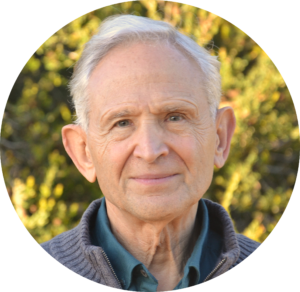
Peter A. Levine, PhD, holds doctorates in both Biophysics and Psychology. He is
the developer of Somatic Experiencing®, a naturalistic and neurobiological
approach to healing trauma; Founder of the Somatic Experiencing® Trauma
Institute/Foundation for Human Enrichment®; Founder and President of Ergos
Levine Institute of Somatic Education®; and author of several best-selling books
on trauma, including Waking the Tiger, which is published in over 28 languages.
Dr. Levine is currently a Senior Fellow and consultant at The Meadows Addiction
and Trauma Treatment Center in Wickenburg, Arizona and continues to teach
SE™ trauma healing workshops internationally.
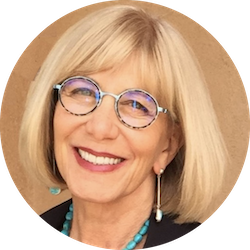
This distinguished pioneer in integrative medicine is a world-renowned expert in the mind/body connection. Her work has been foundational in an international health-care revolution that recognizes the role of meaning, and the spiritual dimensions of life, as an integral part of health and healing. Eloquent and inspiring in settings that range from hospitals to hospices, from theaters to conference venues, and from boardrooms to houses of worship, she is a credible bridge between faith and reason. Her brilliance, humor, and authenticity—in combination with the latest research—make her a compelling and inspiring speaker and writer.
After graduating magna cum laude from Bryn Mawr College in 1967, Dr. Borysenko earned her doctorate in Medical Sciences from the Harvard Medical School, where she completed post-doctoral training in cancer cell biology. Her first faculty position was at the Tufts University College of Medicine in Boston. But after the death of her father from cancer, she became more interested in the person with the illness than in the disease itself, and returned to Harvard Medical School to complete a second postdoctoral fellowship, this time in the new field of behavioral medicine. Under the tutelage of Herbert Benson, M.D., who first identified the relaxation response and brought meditation into medicine, she was awarded a Medical Foundation Fellowship and completed her third post-doctoral fellowship in psychoneuroimmunology.
In the early 1980’s Dr. Borysenko co-founded a Mind/Body clinic with Dr. Benson and Dr. Ilan Kutz, became licensed as a psychologist, and was appointed instructor in medicine at the Harvard Medical School. Her years of clinical experience and research culminated in the 1987 publication of the New York Times best seller, Minding the Body, Mending the Mind, which sold over 400,000 copies. The 20th anniversary edition, newly revised, was published in 2007. Author or co-author of 16 other books and numerous audio and video programs, including the Public Television special Inner Peace for Busy People, she is the Founding Partner of Mind/Body Health Sciences, LLC located in Santa Fe, New Mexico.
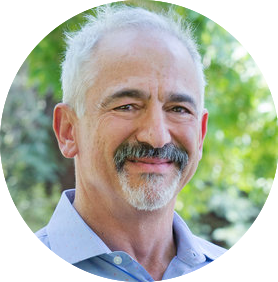
Dr. Shugerman is cofounder of The Boulder Center for TMS, and is medical director of neuroAgility, a
QEEG and neurofeedback practice. He was formerly Medical Director of the Jefferson Center for Mental
Health, and of the Behavioral Health Inpatient program at Boulder Community Hospital. His psychiatric
residency was at the University of Colorado Health Sciences Center. He is a graduate of Duke University
School of Medicine, where he was selected for the AOA Medical Honor Society. His undergraduate
major in neurobiology was at Hampshire College.
He has worked extensively with treatment-resistant mood disorders, attentional disorders, and complex
psychiatric comorbidities throughout his career. With these challenging populations, he strives to
integrate the latest advances in neuromodulation and psychopharmacology, along with the emerging
strengths of functional medicine and wellness practices.
Charles Raison, MD, is the Mary Sue and Mike Shannon Chair for Healthy Minds,
Children & Families and Professor, School of Human Ecology, and Professor, Department
of Psychiatry, School of Medicine and Public Health, University of Wisconsin-Madison in
Madison, WI. Dr. Raison also serves as Director of Clinical and Translational Research for
Usona Institute and as Director of Research on Spiritual Health for Emory Healthcare in
Atlanta, GA. In addition, Dr. Raison has served as mental health expert for CNN.com for
many years. Dr. Raison is internationally recognized for his studies examining novel
mechanisms involved in the development and treatment of major depression and other
stress-related emotional and physical conditions, as well as for his work examining the
physical and behavioral effects of compassion training. More recently, Dr. Raison has
taken a leadership role in the development of psychedelic medicines as potential
treatments for major depression. The recipient of several teaching awards, Dr. Raison
has received research funding from the National Institute of Mental Health, National
Center for Complementary and Alternative Medicine, and the Centers for Disease
Control and Prevention. Dr. Raison received the Raymond Pearl Memorial Award from
the Human Biology Association “in recognition of his contributions to our understanding
of evolutionary biocultural origins of mental health and illness.” With Vladimir Maletic
he is author of “The New Mind-Body Science of Depression” published by W.W. Norton
in 2017. Dr. Raison serves on the Scientific Advisory Board for the American Foundation
for Suicide Prevention.
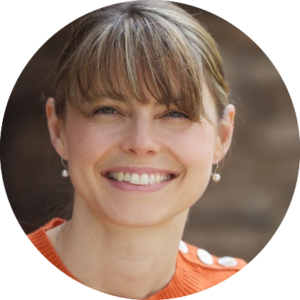
Dr. Pratt believes in integrative and holistic medicine. Her practice and clinic are focused on neurology and complex medical conditions relating to metabolic disease. She uses functional medicine and her expertise in biochemistry (methylation) and physiology to help her patients get to the root cause of their symptoms through a strategic approach. The modalities she uses in her practice are nutrition, botanicals, environmental medicine, classical homeopathy and hydrotherapy.
Jayson Gaddis, author, podcaster, speaker, entrepreneur, is Founder of The Relationship School, an impact-based company dedicating to helping people work out their differences and have fulfilling long-term partnerships. Jayson is considered a world leader in relationships. He founded The Relationship School® and leads the most comprehensive relationship training in the world on intimate relationships and partnership. He is on a mission to reach 1,000,000 teens and young adults with formal relationship education. Jayson is the creator of Interpersonal Intelligence and trains people from around the world how to be effective relational leaders and coaches. He’s been married to his amazing wife since 2007 and has two beautiful kids. They live in Boulder Colorado.
Ellen Boeder, MA, LPC has been working in clinical therapeutic settings since 1994, and as a licensed professional counselor since 2003, after receiving her Master of Arts in Transpersonal Psychology from Naropa University. Her experience includes working as a lead counselor and manager with teenage girls in residential treatment, being a primary group and individual therapist in a partial hospitalization eating disorder treatment center, and facilitating women moving through trauma, addiction, mood, and relationship crises in private practice. Ellen has a strong background and years of training in yoga and meditation, and has developed programs that offer contemplative practices to patients in treatment settings.
Upon becoming a wife and mother over 10 years ago, she began studying neuroscience, interpersonal neurobiology and attachment theory more in depth, and eventually completed her Level 3 training in PACT (Psychobiological Approach to Couple Therapy). Now primarily working with couples, she also enjoys teaching about the realities of our interdependence, and how we can leverage our biology relationally to support our fullest potential as human beings.
.
Dr. Dan Engle is Board Certified in Psychiatry and Neurology, with a clinical practice that combines aspects of regenerative medicine, orthomolecular psychiatry, integrative spirituality and peak performance methods.
He received his medical degree from the University of Texas in San Antonio, his psychiatry residency degree from the University of Colorado in Denver and his Child and Adolescent Psychiatry Fellowship degree from Oregon Health and Sciences University.
Currently, he is Medical Consultant to Onnit Labs in Austin, the Revive Treatment Centers of America in Denver, the True Rest Float Centers in Phoenix and several international healing centers using indigenous plant medicines of the Peruvian Amazon River basin.
His programs include Freedom From Meds, a comprehensive and integrative tool kit for successful transition from psychiatric medications, the Concussion Repair Manual, facilitating the return to optimal function after concussion and traumatic brain injury, BOLD – Brain Optimization and Lifestyle Design – program for maximizing brain health and cognitive performance, and Full Spectrum Medicine, a research, education and advocacy platform pioneering the future psychiatric healing centers using consciousness expansion tools for root-cause healing and total life transformation.
For more information visit –
DrDanEngle.com
FullSpectrumMedicine.com
ConcussionRepairManual.com
.
.
Jenn is a personal trainer who has been training people full time since 2002. She received her Master’s degree in human movement from A.T. Still University in 2012 and opened her own training studio in 2013. Early in her career, she developed a special interest in working with clients who were more injury prone and had struggled in traditional exercise settings. Over the years, she has studied stress, neuromuscular techniques, mobility, dance, yoga, somatics, and Parkour. She believes in working with the whole person, and has worked with individuals struggling with anxiety, depression, chronic pain conditions, trauma, and hyper-mobility. She is also a lecturer for the Navy Senior Leadership Seminar and regularly holds continuing education workshops in person and online for other fitness and movement professionals on a variety of topics. Her first book on creating a mind/body connection is currently in the editing stages. She utilizes an evidence based, multidisciplinary approach to get people moving in ways that will enhance their lives.
www.jennpilotti.com
.
.

Judith E. Pentz, MD, is a holistic, alternative and integrative psychiatrist with board certification in child, adolescent and adult psychiatry as well as integrative medicine. She seeks to combine the best of Western and integrative medicine for support of your mental well being. The goal is to be as gentle as possible and to stimulate the natural healing mechanisms that we all have in our body.
She has included orthomolecular medicine, nutritional options, homeopathy, targeted amino-acid therapy, breathing techniques and meditation in her practice. The integrative approach includes the spiritual and emotional part of our being, as well the mental and physical part of our being. She has studied various alternative healing methods including craniosacral therapy, EMDR, homeopathy, Chi Gung. She has studied with various healers exploring Chinese, Native American, Peruvian, Ayurvedic and Reiki healing traditions.
Currently, she is providing telehealth services to several sites for Indian Health Services through University of New Mexico contract. She is also program director at UNM for the psychiatry residents and child fellows as part of the pilot program for the on line integrative psychiatry program with University of Arizona.
She has contributed the Botanicals for Depression chapter in Integrative Therapies for Depression: Redefining Models for Assessment, Treatment and Prevention, lending her voice to the growing body of work that shows there is a world beyond prescribing drugs.
She has completed a book, Cleanse Your Body, Return to Your Soul about her trek to India for an ancient ayurvedic cleanse – panchakarma – that forged her path to her own healing. There is a prescriptive approach here and there is an increased awareness of the need of self care being a part of all of our daily lives.
Dr. Pentz attended the Medical College of Ohio at Toledo (MCOT) where she received her medical degree in 1985. The school’s name recently changed to the University of Toledo after a merging of resources. She completed her training at MCOT in child, adolescent, adult psychiatry in 1990.
www.drpentz.com
.
.
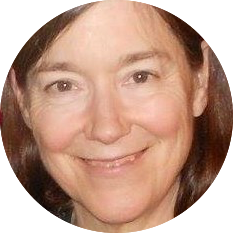
Ann Hathaway, MD has been successfully treating women and men with bioidentical hormones and natural remedies since 1995. She was board certified in Family Practice Medicine in 1983 and practiced conventional medicine for many years until she became disenchanted with the “prescription to cover up the symptom” for every ailment. She is a member of the Institute for Functional Medicine and is a director of the Orthomolecular Health Medicine Board. Her private practice in San Rafael, California.
Dr. Maté's teaching weaves together scientific research, case histories, and his own insights and experience to present a broad perspective that enlightens and empowers people to promote their own healing and that of those around them.
For twelve years Dr. Maté worked in Vancouver’s Downtown Eastside with patients challenged by hard-core drug addiction, mental illness and HIV, including at Vancouver’s Supervised Injection Site. His lectures draw from over 20 years of family practice and palliative care experience and extensive knowledge of the latest findings of leading-edge research.
As an author, Dr. Maté has written several bestselling books including the award-winning In the Realm of Hungry Ghosts: Close Encounters with Addiction; When the Body Says No: The Cost of Hidden Stress; and Scattered Minds: A New Look at the Origins and Healing of Attention Deficit Disorder, and co-authored Hold on to Your Kids. His works have been published internationally in twenty languages.
Dr. Maté is the co-founder of Compassion for Addiction, a non-profit that focuses on addiction. He is also an advisor of Drugs over Dinner.
Dr. Maté has received the Hubert Evans Prize for Literary Non-Fiction; an Honorary Degree (Law) from the University of Northern British Columbia; an Outstanding Alumnus Award from Simon Fraser University; and the 2012 Martin Luther King Humanitarian Award from Mothers Against Teen Violence. For his groundbreaking medical work and writing he has been awarded the Order of Canada, his country’s highest civilian distinction, and the Civic Merit Award from his hometown, Vancouver.
Daniel A. Kinderlehrer, M.D. is a nationally recognized physician with expertise in the fields of nutrition, allergy, environmental medicine, Lyme disease and the healing of mind-body-spirit as a unified whole. Dr. Kinderlehrer co-founded The New England Center for Holistic Medicine in Newbury MA, and has taught extensively, including practitioner training courses at the Omega Institute, The National Institute of Behavioral Medicine, The Omega Institute, and the International Lyme and Associated Diseases Society. He created and organized the Lyme Fundamentals course which is presented annually at the International Lyme and Associated Diseases conferences. He is the author of several review articles in medical journals and the Lyme Times. His integrated medical practice in Denver, CO focuses on the diagnosis and treatment of tick-borne disease. Dr. Kinderlehrer is the author of Recovery From Lyme: The Integrative Medicine Guide to the Diagnosis and Treatment of Tick-Borne Illness, which will be released in 2020.
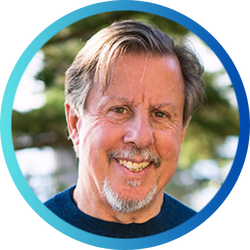
Dick Schwartz began his career as a family therapist and an academic at the University of Illinois at Chicago. There he discovered that family therapy alone did not achieve full symptom relief and in asking patients why, he learned that they were plagued by what they called “parts.” These patients became his teachers as they described how their parts formed networks of inner relationship that resembled the families he had been working with. He also found that as they focused on and, thereby, separated from their parts, they would shift into a state characterized by qualities like curiosity, calm, confidence and compassion. He called that inner essence the Self and was amazed to find it even in severely diagnosed and traumatized patients. From these explorations the Internal Family Systems (IFS) model was born in the early 1980s.
IFS is now evidence-based and has become a widely-used form of psychotherapy, particularly with trauma. It provides a non-pathologizing, optimistic, and empowering perspective and a practical and effective set of techniques for working with individuals, couples, families, and more recently, corporations and classrooms. Dick lives with his wife Jeanne near Chicago, close to his three daughters and his growing number of grandchildren.
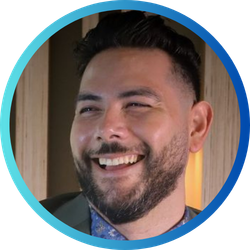
Cesar Rodriguez is a licensed Marriage & Family Therapist (LMFT) based in Diamond Bar, California. With over a decade of clinical experience, he specializes in helping individuals, couples, and families navigate challenges related to depression, anxiety, trauma, and PTSD. Cesar employs a tailored therapeutic approach that includes EMDR, Internal Family Systems (IFS), and ketamine-assisted therapy, as well as individual, family, and couples therapy to support meaningful healing and long-term growth.
He holds a master’s degree in Counseling from California State University Fullerton and is trained in EMDR, actively working toward full certification. Fluently bilingual in English and Spanish, Cesar works with diverse clients across the lifespan and fosters a safe, nonjudgmental space for self-exploration, empowerment, and resilience.
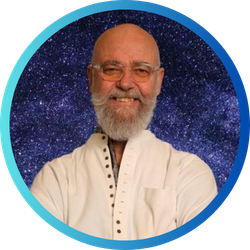
Keith Fiveson (MDiv, PATP, CARC, MBA) is an integrative health and wellness coach, contemplative psychotherapist, and counselor based in Port Washington, New York. With over 30 years of experience, he supports adults in navigating trauma, stress, burnout, addiction, career transitions, and life transitions through mindfulness-based and narrative therapeutic approaches. A military veteran and two-time cancer survivor, Fiveson brings lived experience and compassionate inquiry to his practice, helping clients reconnect with purpose, presence, and inner strength.
Fiveson’s clinical focus includes addiction, men’s issues, trauma, and stress-related concerns, and he works with individuals, couples, and groups both in person and online. He emphasizes practical tools and skill-building to foster balance in everyday life. In addition to counseling, he facilitates community groups such as mindful men’s circles and death-related discussion forums, and incorporates contemplative and mindfulness practices into his therapeutic work.
Jessica Punzo, PsyD is a licensed clinical psychologist practicing in Oak Park, Illinois, with specialized expertise in trauma and post-traumatic stress disorder (PTSD). She completed her doctoral degree in Clinical Psychology with a concentration in Traumatic Stress at Adler University and has extensive experience working in diverse clinical settings—including community mental health centers, the VA, and correctional environments—treating a broad range of survivors and trauma presentations.
Dr. Punzo is certified in psychedelic-assisted therapy and offers ketamine-assisted psychotherapy and psychedelic integration services. She also has advanced training in perinatal mental health and substantial experience working with LGBTQ+ populations. Her therapeutic approach emphasizes cultural sensitivity, safety, validation, and transparent communication to support client healing at a personalized pace.
In addition to traditional individual and group therapy, Dr. Punzo leads community-oriented ketamine-assisted psychotherapy groups grounded in trauma-informed and affirming care. She maintains practices at Rooted Journey Wellness and Middle Path Psychotherapy in Oak Park, where she continues to support adults and elder clients confronting trauma, anxiety, depression, and related concerns.
Carolyn Stillman, LCSW, MSW is a licensed clinical social worker and psychotherapist practicing in Longmont, Colorado. She integrates evidence-based and person-centered therapeutic approaches to help individuals, couples, and families navigate life transitions, relationship challenges, stress, and trauma. Her practice focuses on fostering genuine, supportive, and transformative therapeutic relationships grounded in clear communication and tailored interventions.
Before entering the field of psychotherapy, Stillman worked in data and analytics—a background she incorporates into her therapeutic process by blending logical insight with emotional awareness to help clients understand patterns in their thoughts and behaviors. She holds a Master of Social Work from the University of Denver and a Bachelor’s in Mathematics from the University of Colorado Boulder.
Stillman creates a non-judgmental and safe space for clients to explore personal experiences, develop coping skills, and pursue meaningful change. She offers both in-person and online sessions and is currently accepting new clients.

Nicky Cameron, LCSW, AEDP-Certified Therapist, is a licensed clinical social worker and trauma-informed psychotherapist practicing in Oakland Park, Florida. With over 15 years of clinical experience and a Master of Social Work from Florida International University, she specializes in helping adults address sexual abuse, trauma, PTSD, anxiety, attachment and relational trauma, and chronic illness through integrative, body-based therapeutic modalities. Her practice emphasizes healing through approaches such as EMDR, Somatic Experiencing, Brainspotting, Internal Family Systems (IFS), and Accelerated Experiential Dynamic Psychotherapy (AEDP).
Cameron is known for creating compassionate, individualized therapeutic environments that go beyond traditional talk therapy to support emotional balance, resilience, and nervous system regulation. She provides both in-person and online therapy for individuals and groups, and integrates somatic and attachment-based interventions to address deep-rooted trauma and promote transformative healing.
Dr. Katy Barrs completed her doctorate in clinical psychology at the University of Denver in 2007. She is currently an Associate Clinical Professor in the Military Psychology specialty at the Graduate School of Professional Psychology. After ten years of working for the Department of Veteran Affairs, she returned to the University of Denver to start and serve as the Clinic Director of the Sturm Center, a training clinic which serves Veterans, Servicemembers and their families. Dr. Barrs has worked with Veterans and Servicemembers at the Minneapolis V.A. Medical Center, the Boston V.A. Healthcare System, and the Denver Vet Center where she served in the role of Military Sexual Trauma Treatment Coordinator. Dr. Barrs oversees the Sturm Center, provides clinical education to multiple students within the clinic, and provides licensed community clinicians with education and consulting about these populations. She has been featured in the documentary Acronym, a timely expose about the nature of PTSD from combat. She recently completed Naropa University's Psychedelic Assisted Therapy Certification and is now enrolled in Elemental Psychedelics Mushroom Facilitator Advanced Pathway Program.
Tegan Rowley, MA, LPC is a licensed professional counselor based in Englewood, Colorado, who specializes in trauma‑informed psychotherapy for adults. She brings a candid, empathetic, and collaborative approach to her work, with clinical expertise in treating complex trauma, PTSD, dissociative disorders, and issues commonly experienced by veterans. Rowley emphasizes building trust and meeting clients where they are as they engage in healing and self‑exploration.
Rowley holds a Master of Arts in Clinical Mental Health Counseling from Regis University and integrates evidence‑informed modalities such as Internal Family Systems (IFS), Cognitive Processing Therapy (CPT), and mindfulness‑based techniques into her practice. As a U.S. Air Force veteran, she draws upon her lived experience to support others facing life transitions, attachment‑related concerns, mood challenges, and identity‑related stressors. Her therapeutic style is trauma‑focused, person‑centered, and aimed at helping clients strengthen their capacity for long‑term resilience and personal growth.
Dr. Keira Barr is the expert every woman dreams of—a compassionate listener and a trailblazing doctor who sees the connection between your skin and your soul. A dual board-certified dermatologist with advanced training in somatic trauma therapy, mind-body medicine, and breathwork, she offers a groundbreaking approach to skincare that goes far beyond the surface. Her science-meets-soul philosophy helps women release stress, reconnect with their bodies, and cultivate radiance from the inside out. As the founder of the Center for Mind-Skin Medicine, Dr. Barr is revolutionizing skincare with her resilience-informed, integrative approach, helping women heal deeply and sustainably.